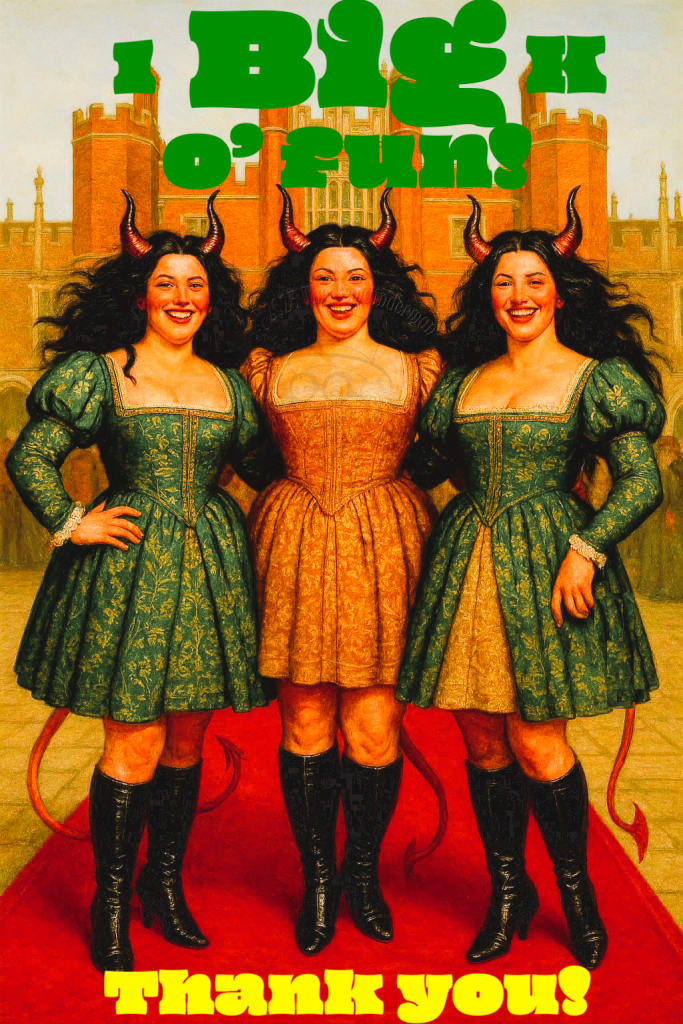
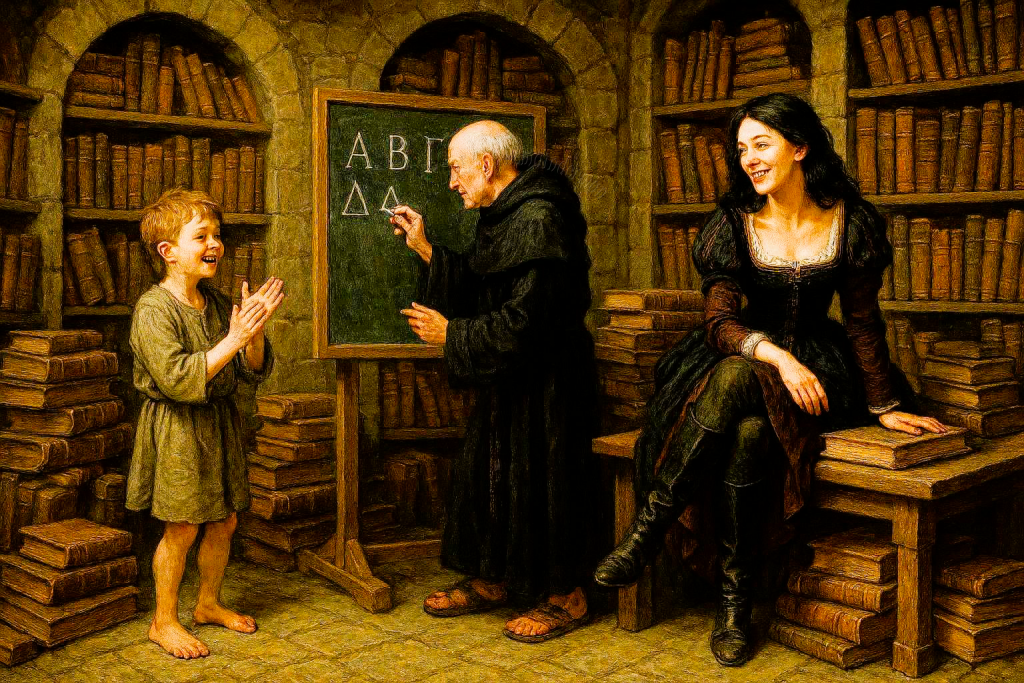
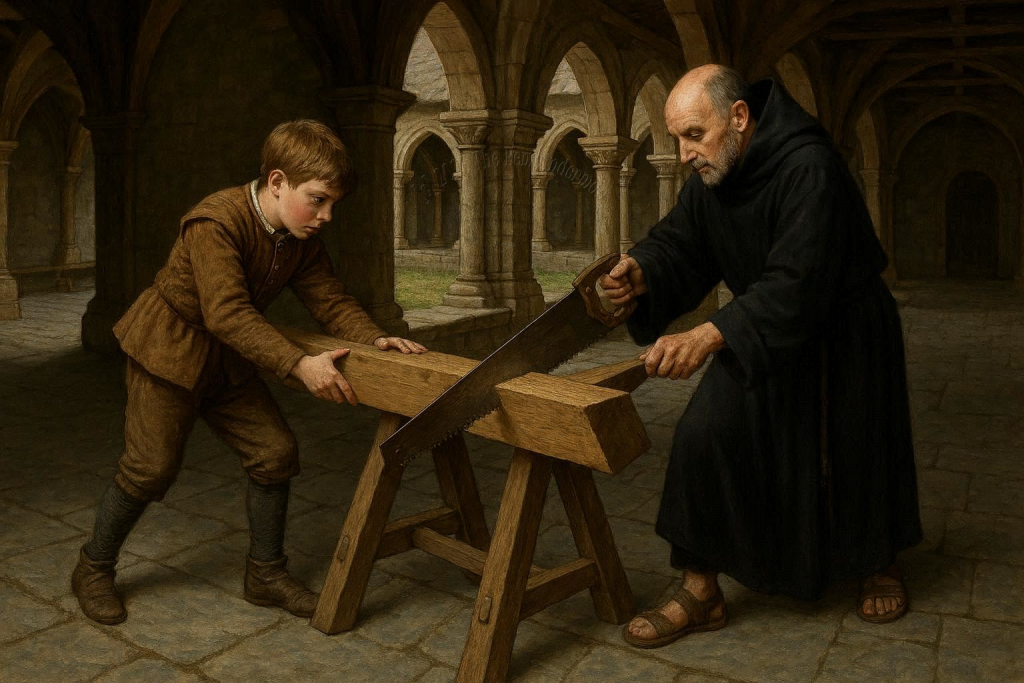
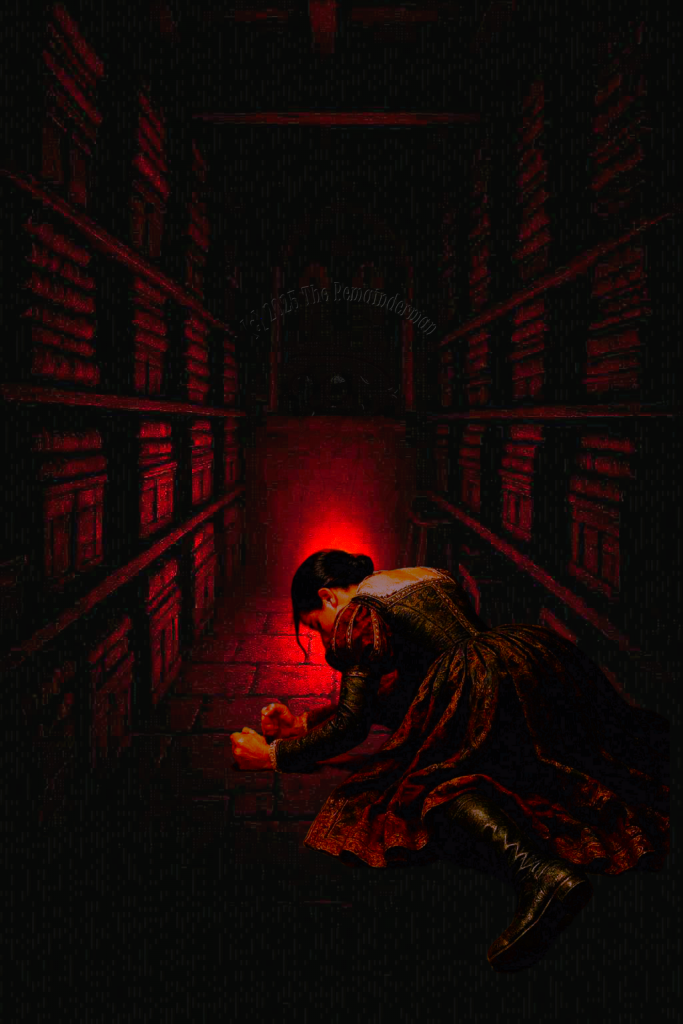
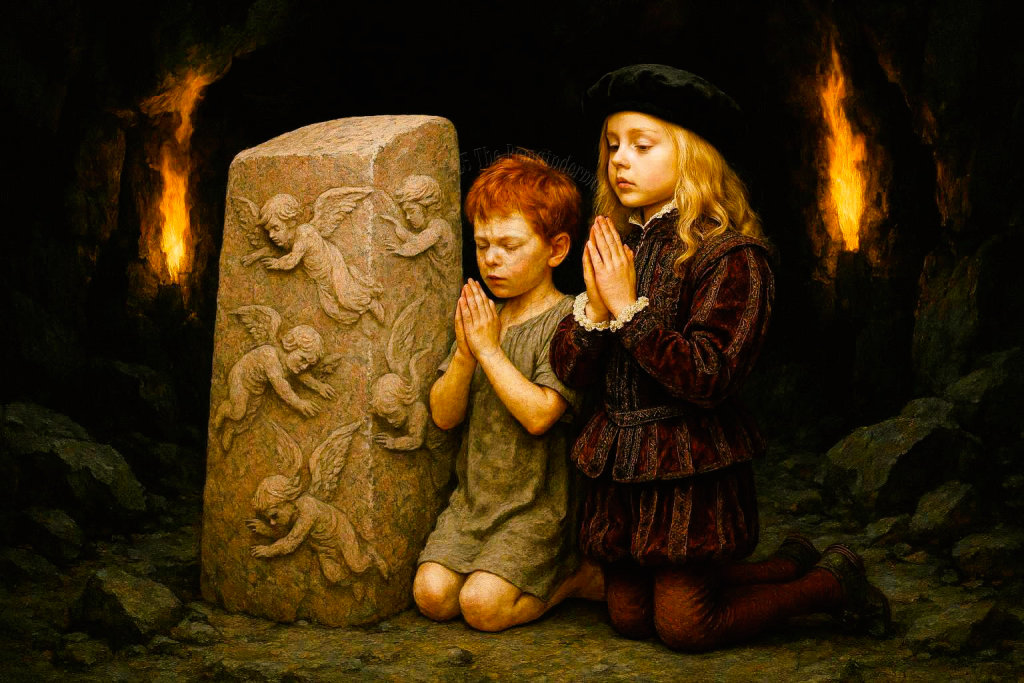
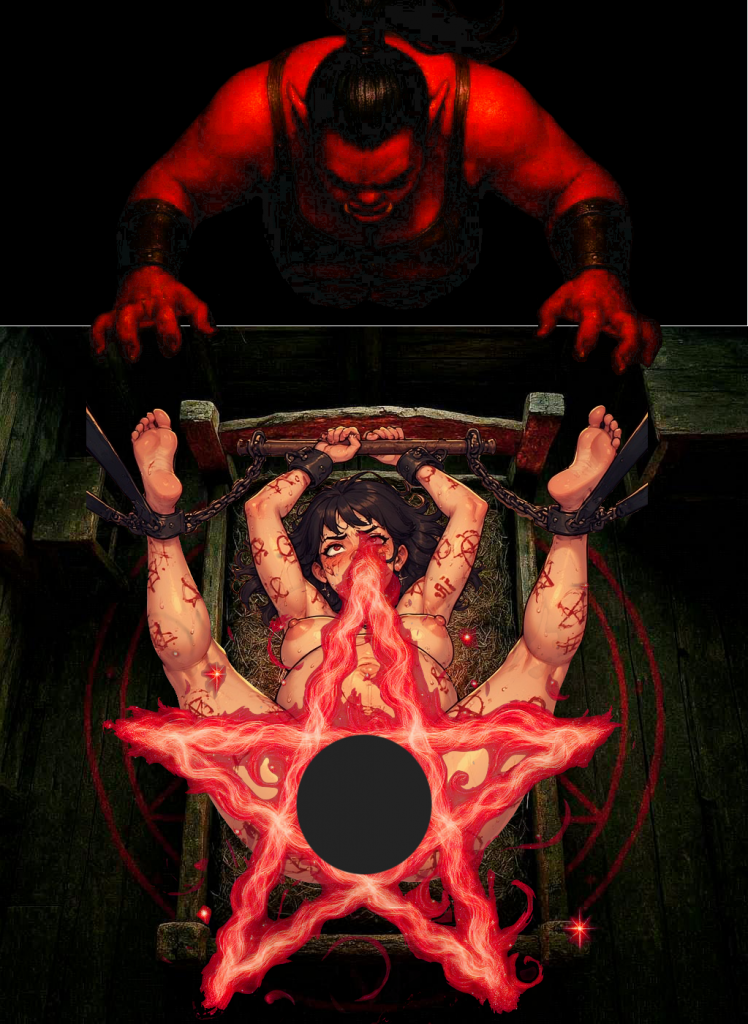
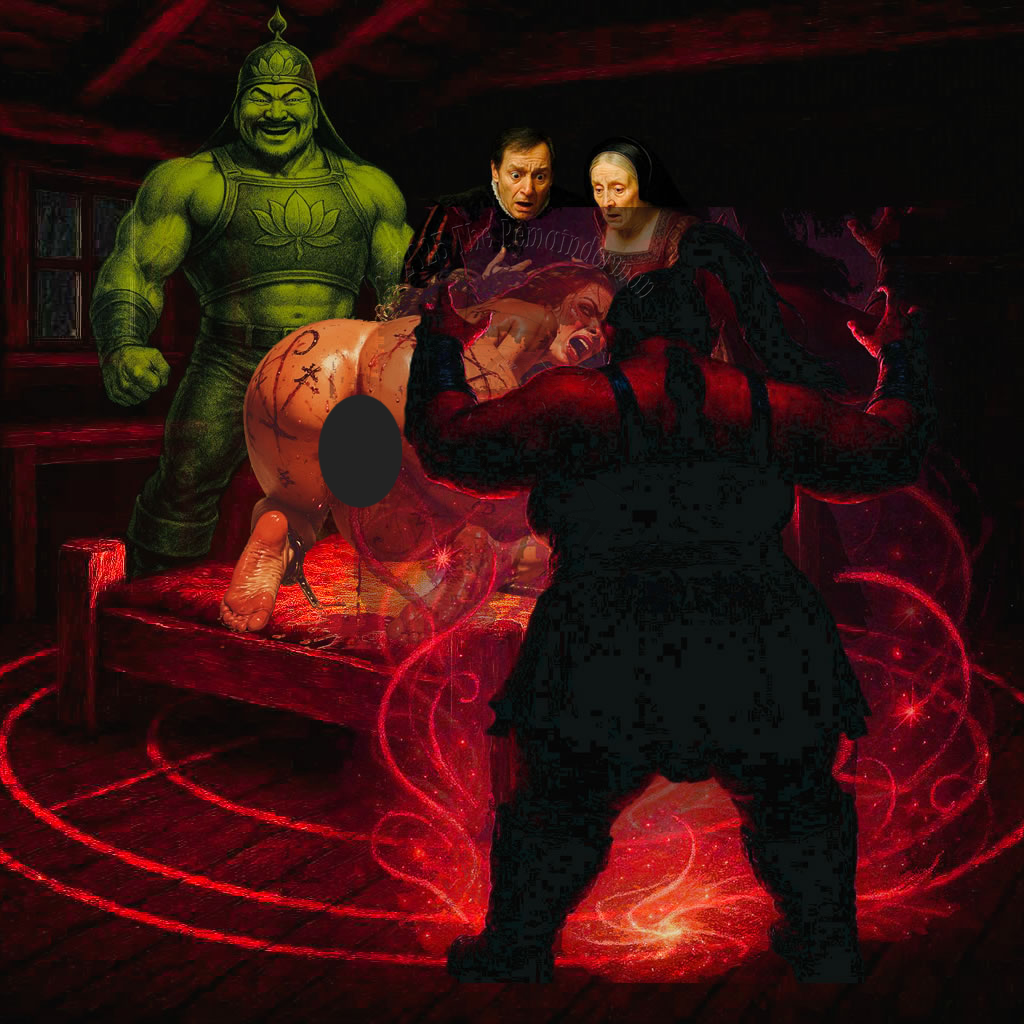
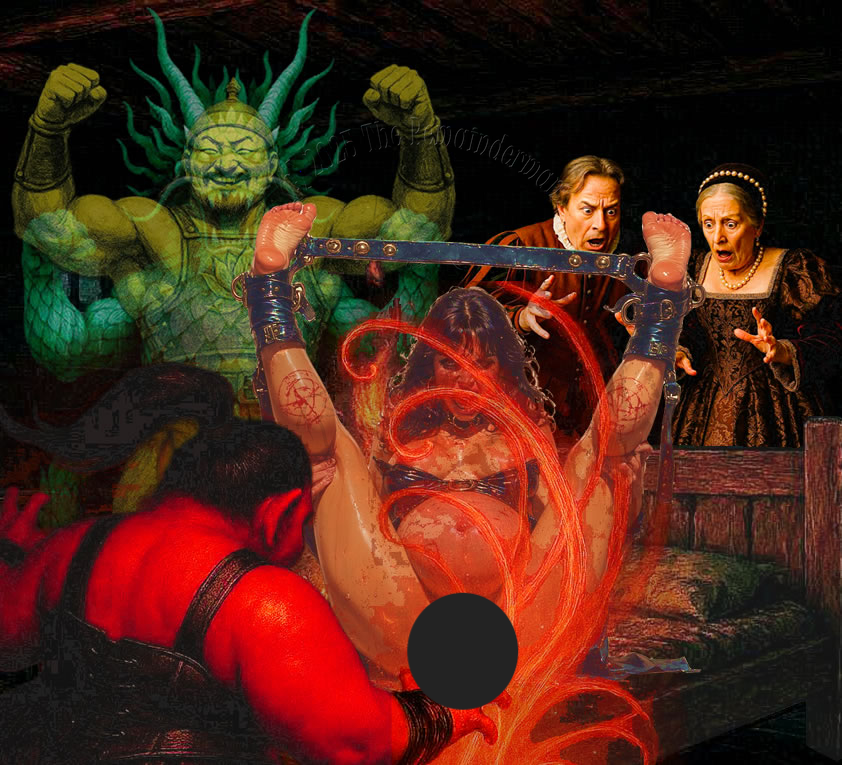
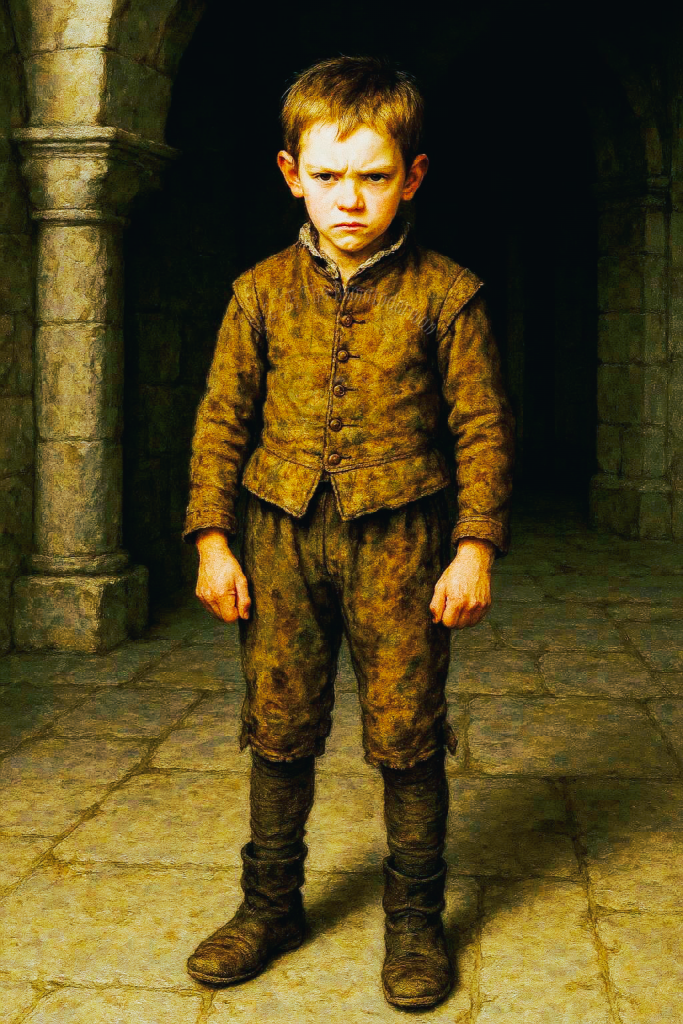
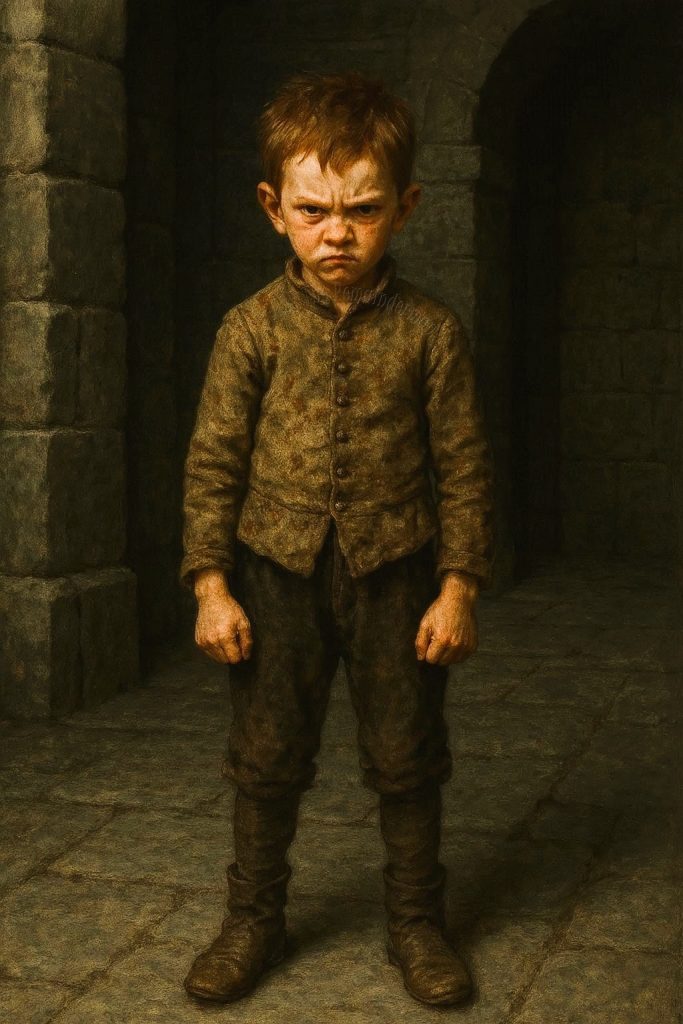
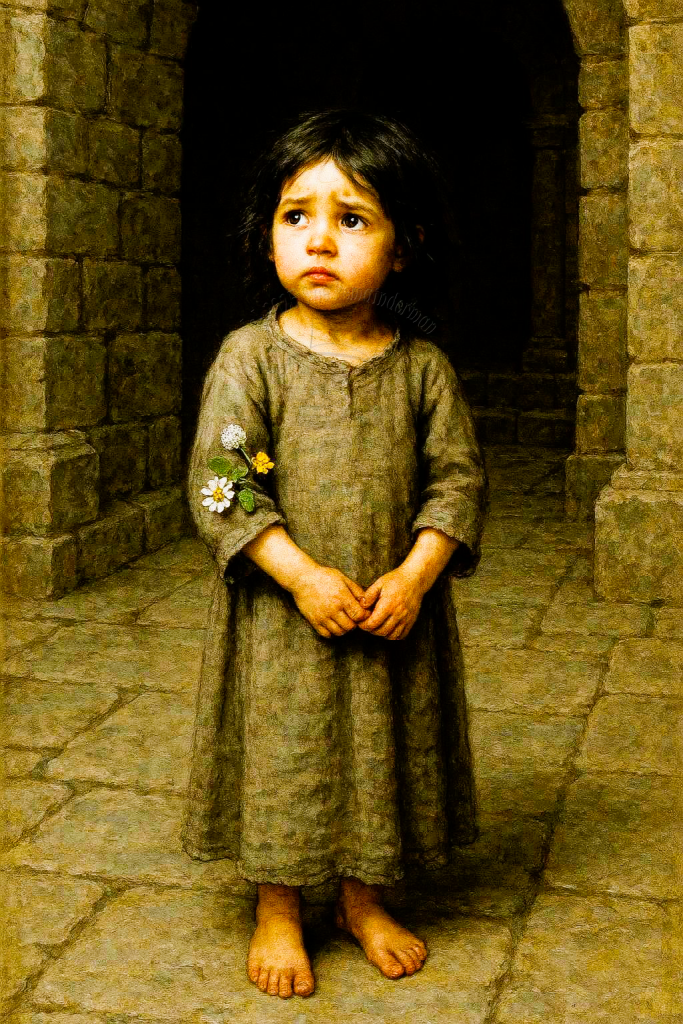
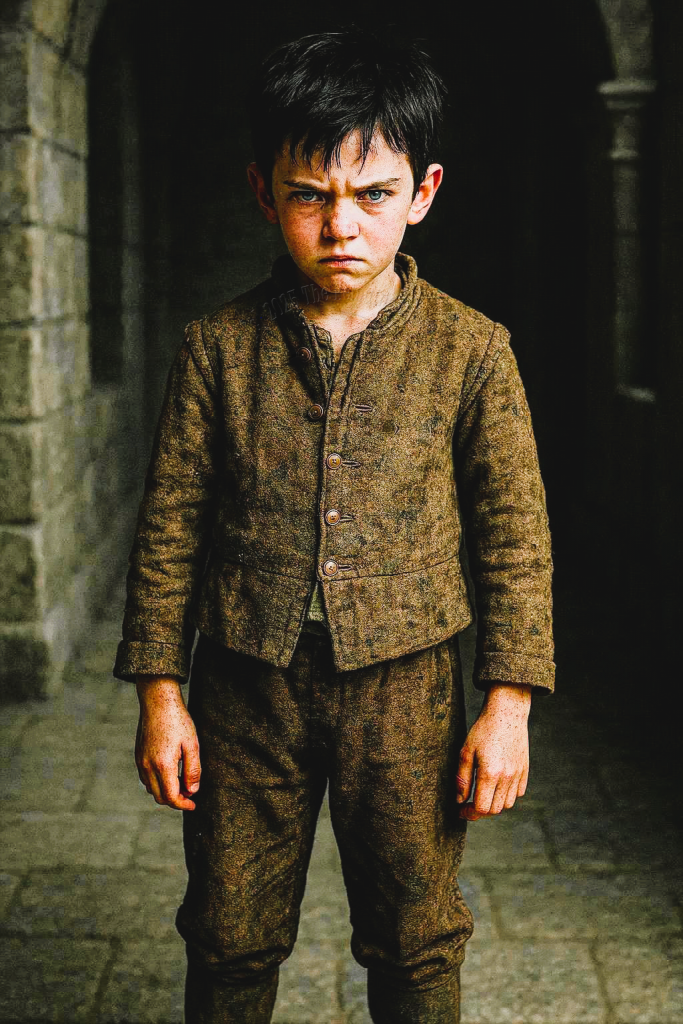
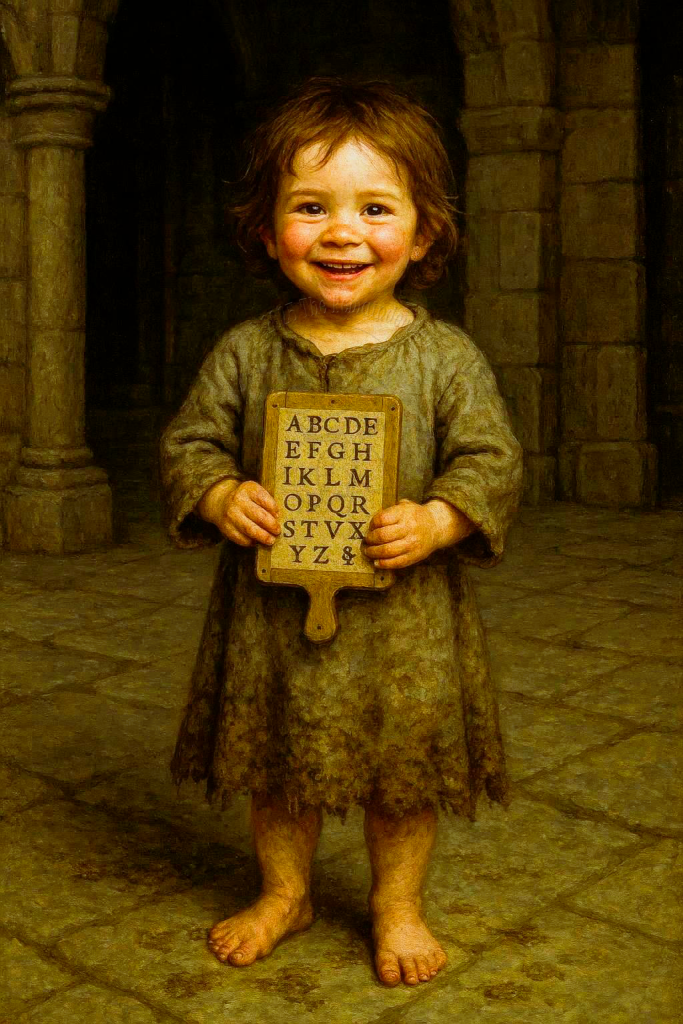
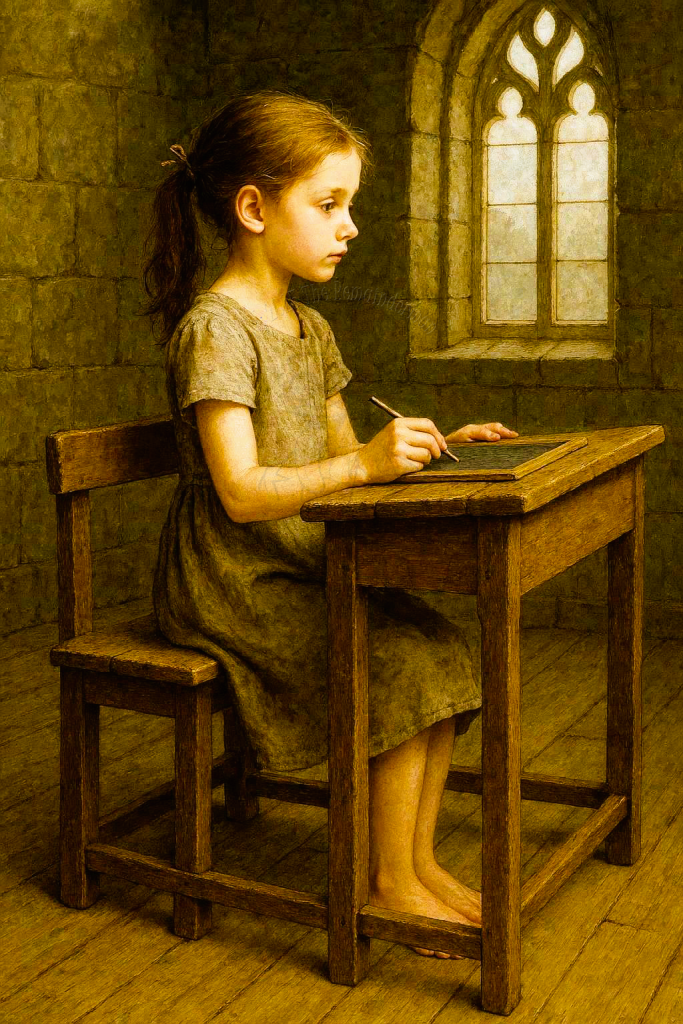
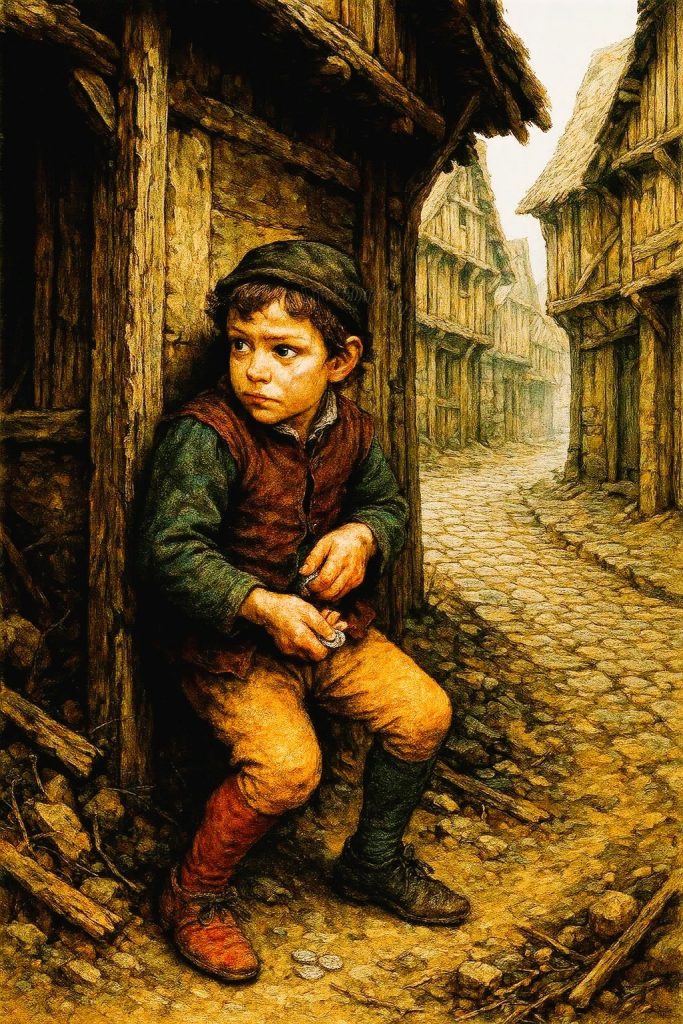
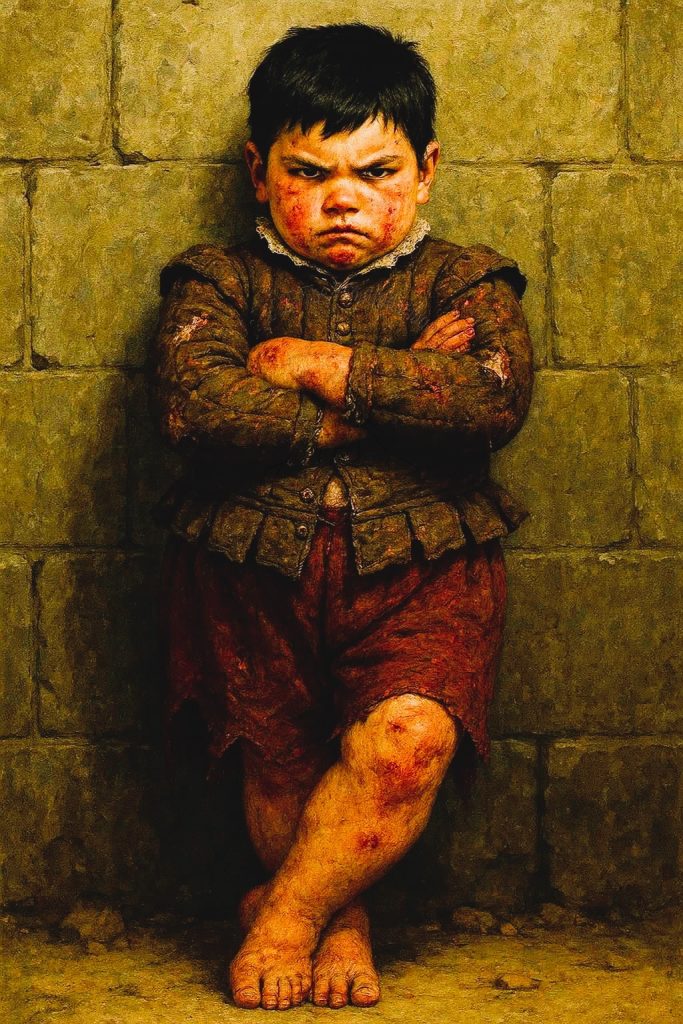
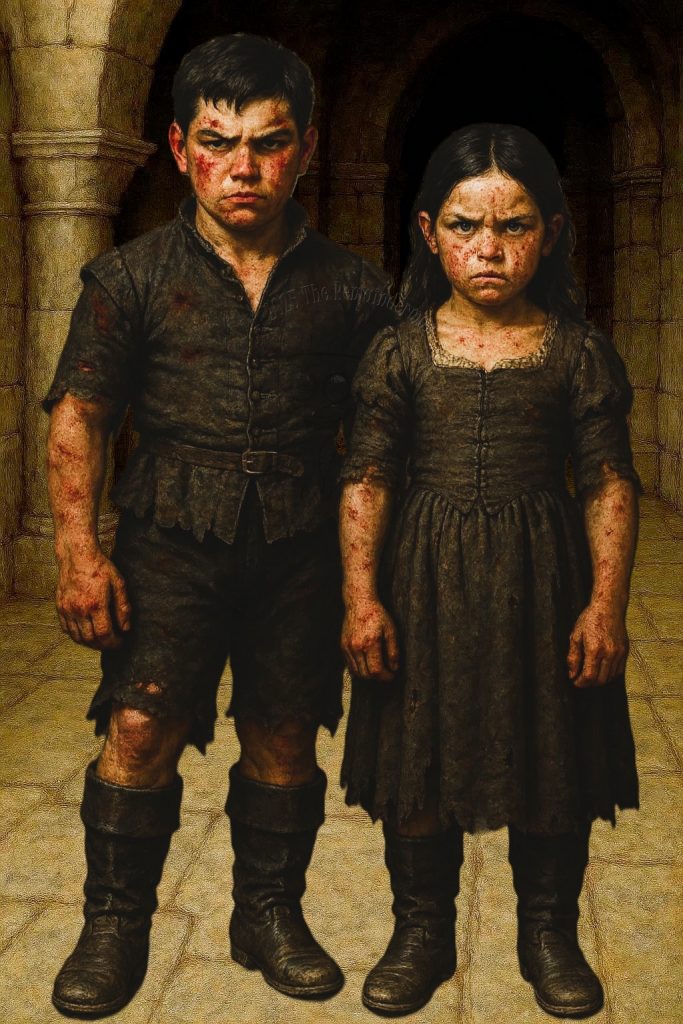
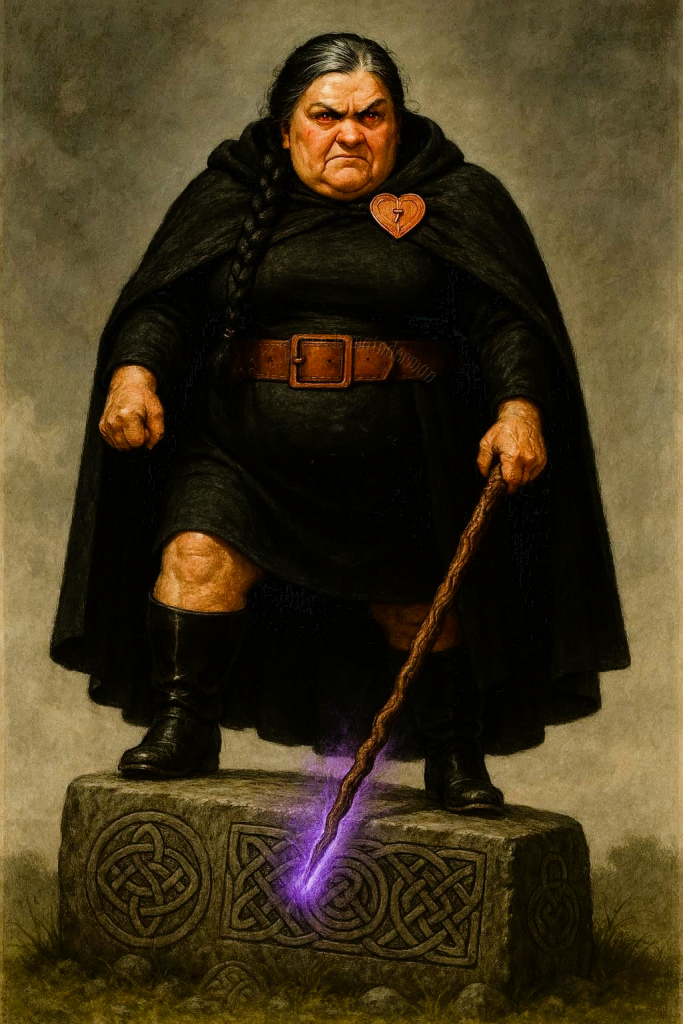
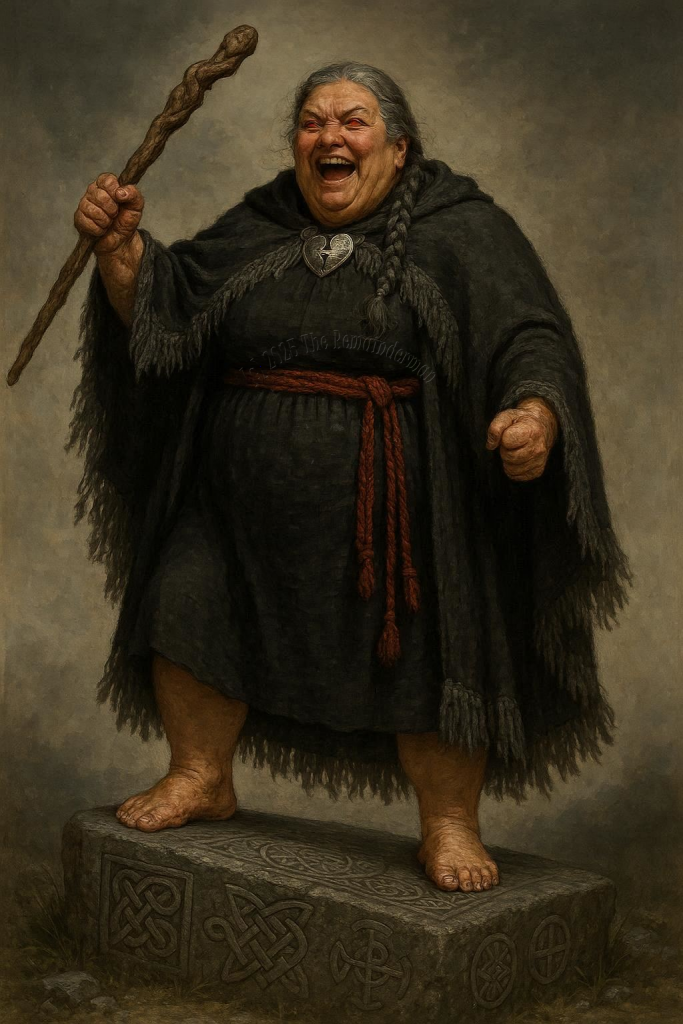
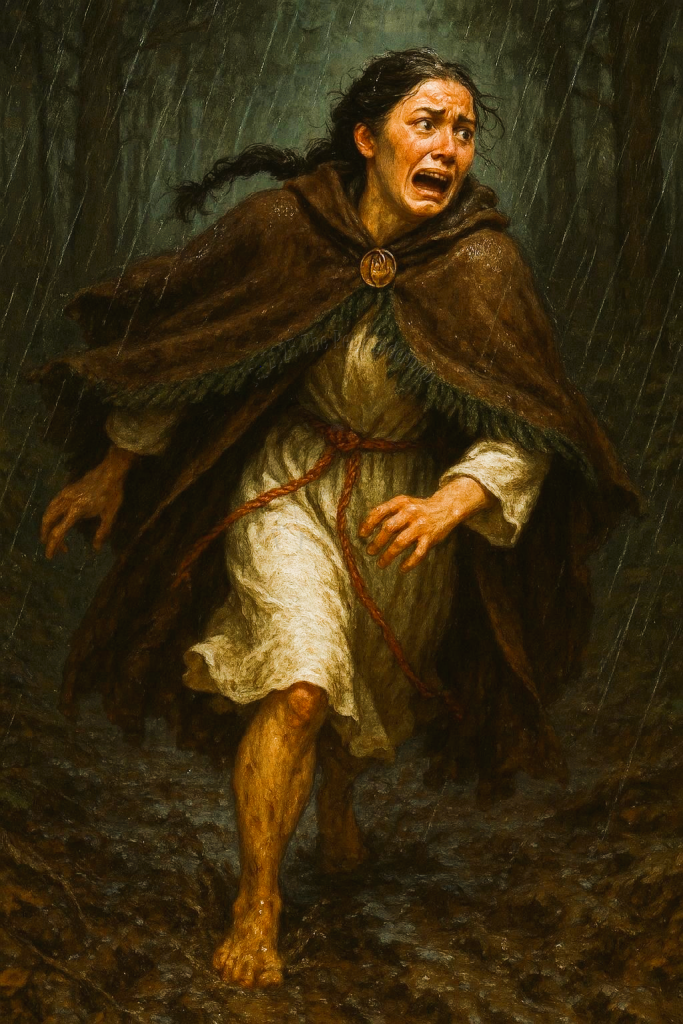
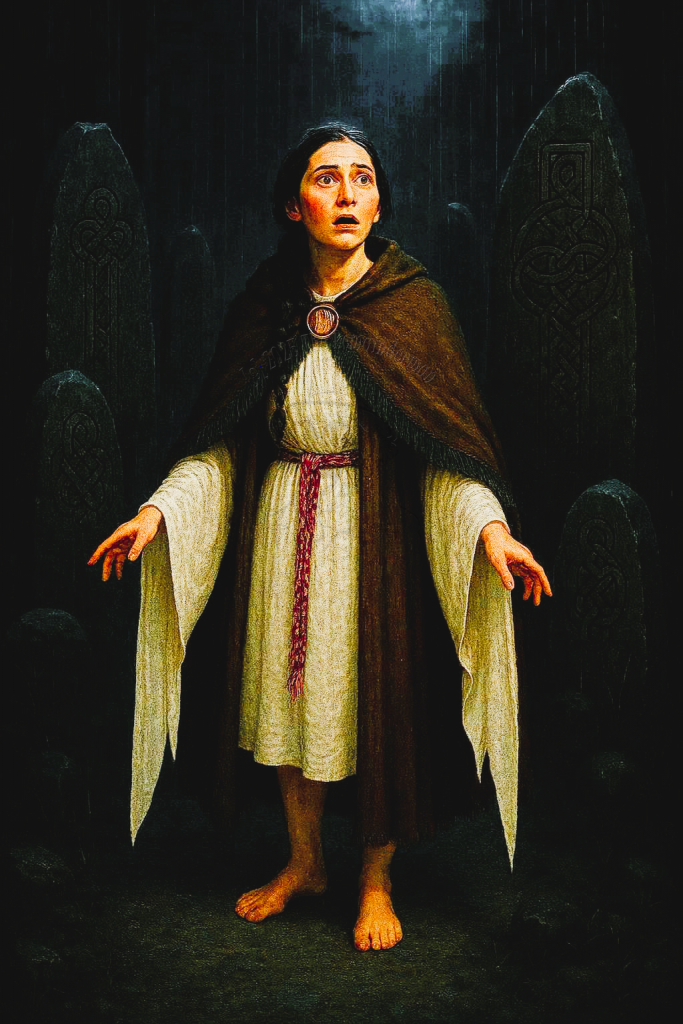
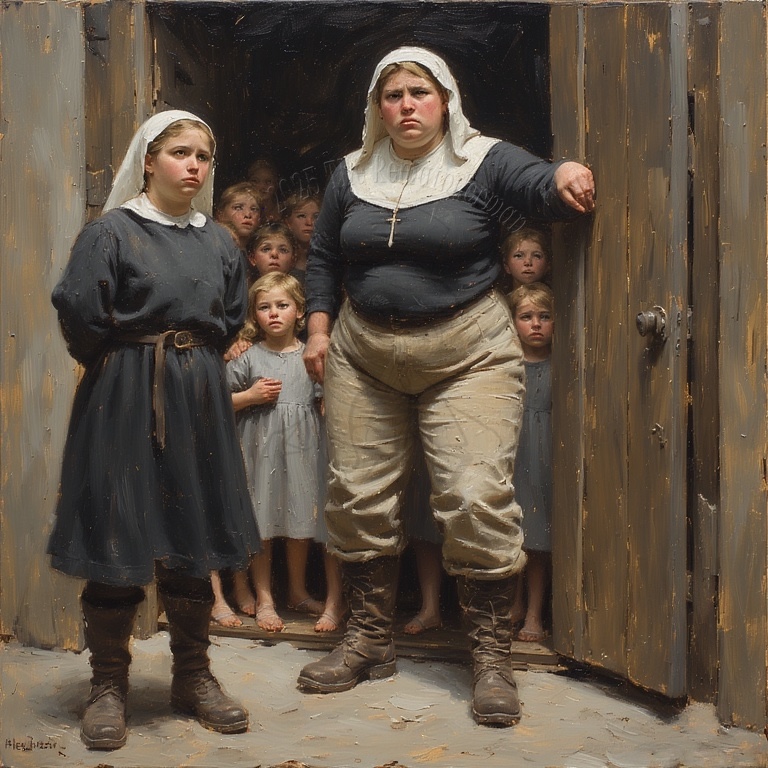
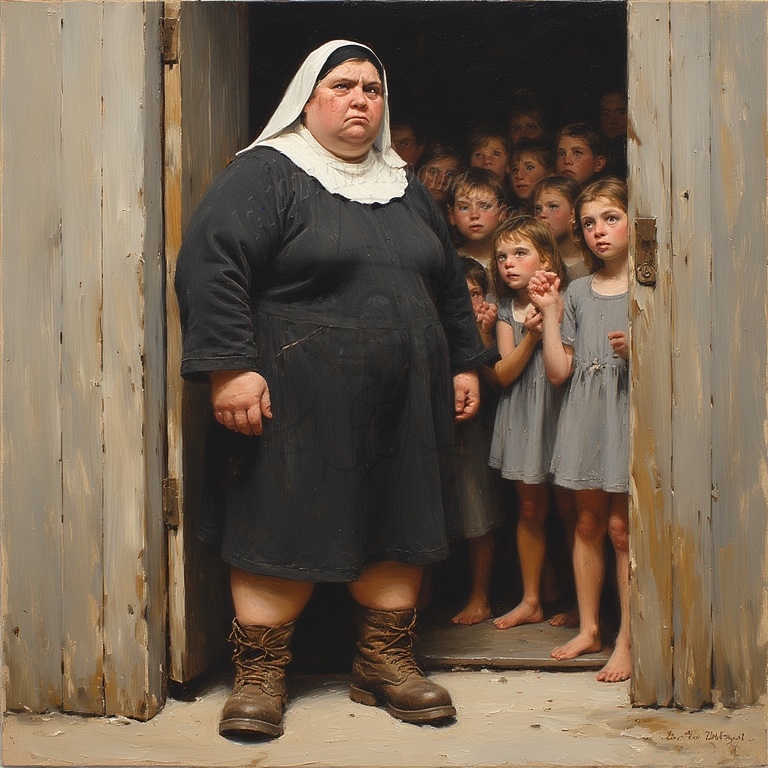
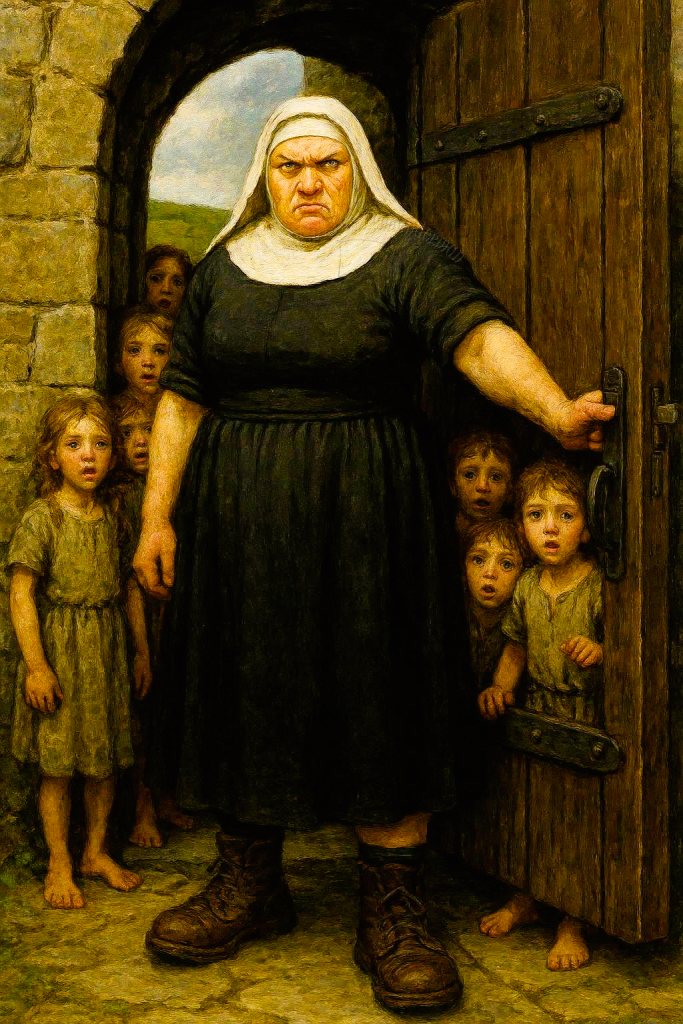
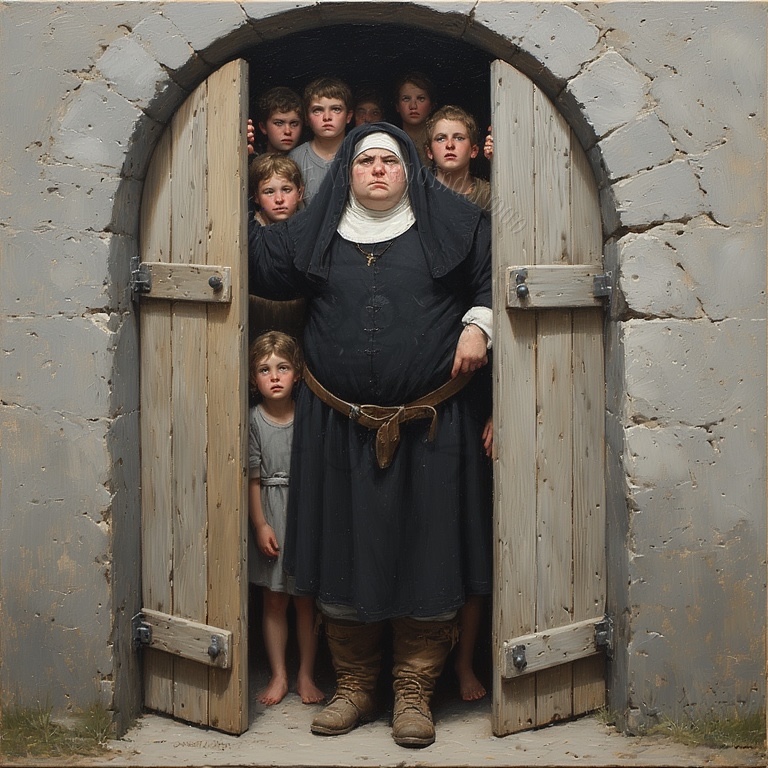
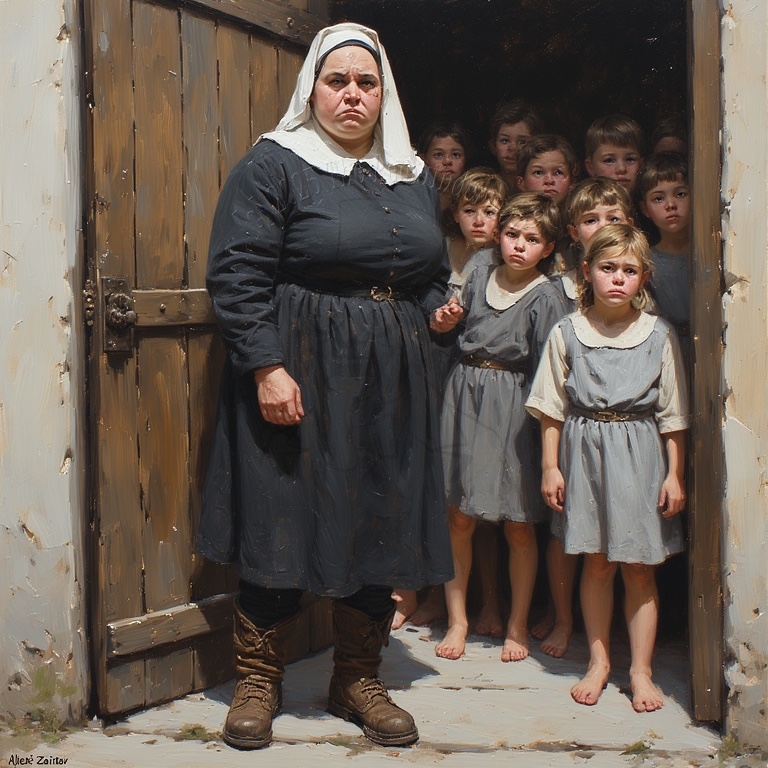
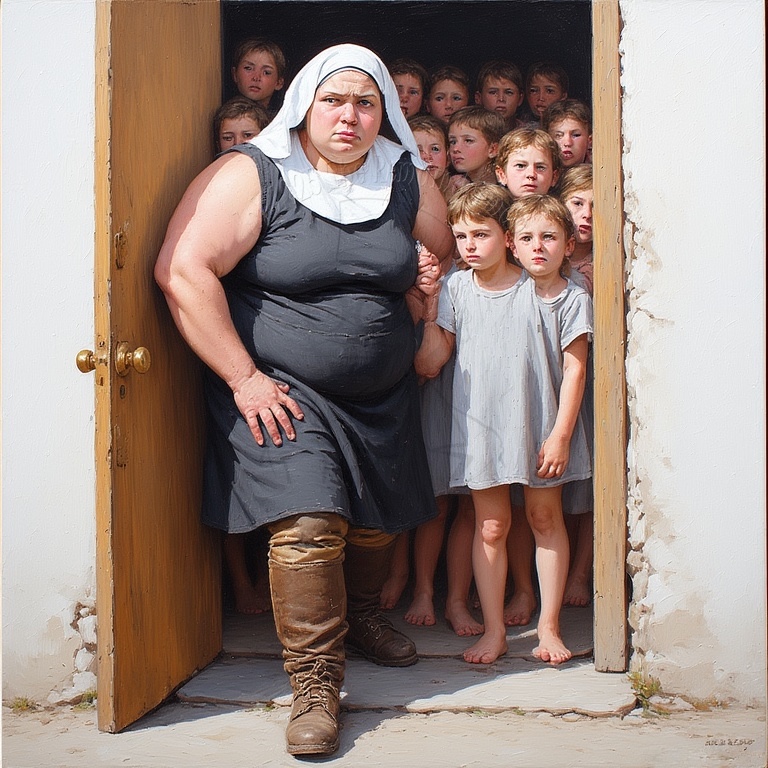
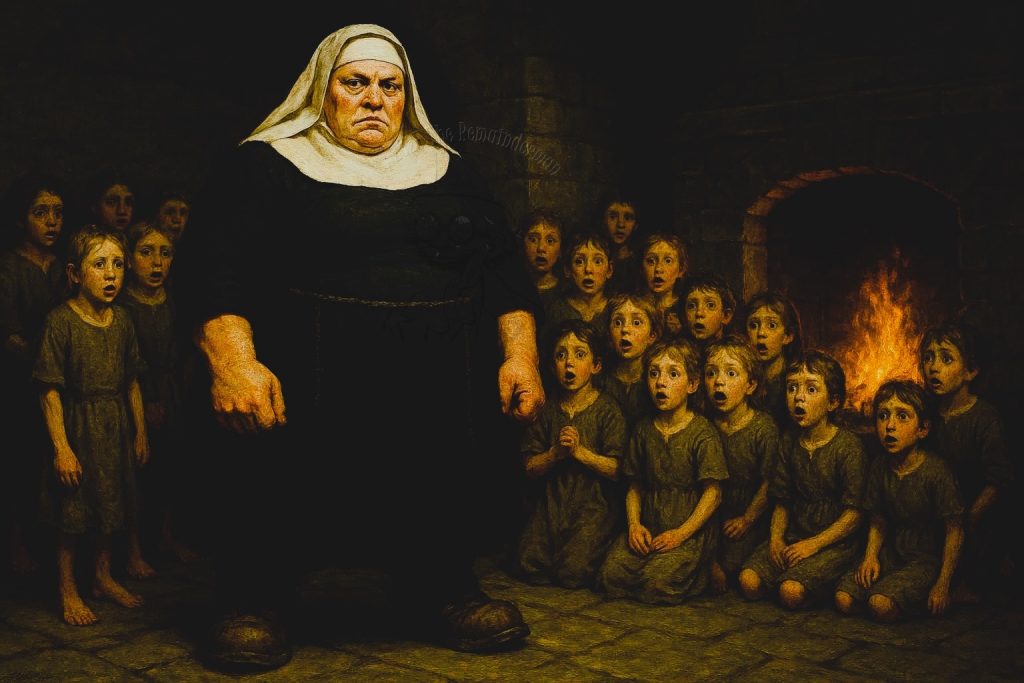
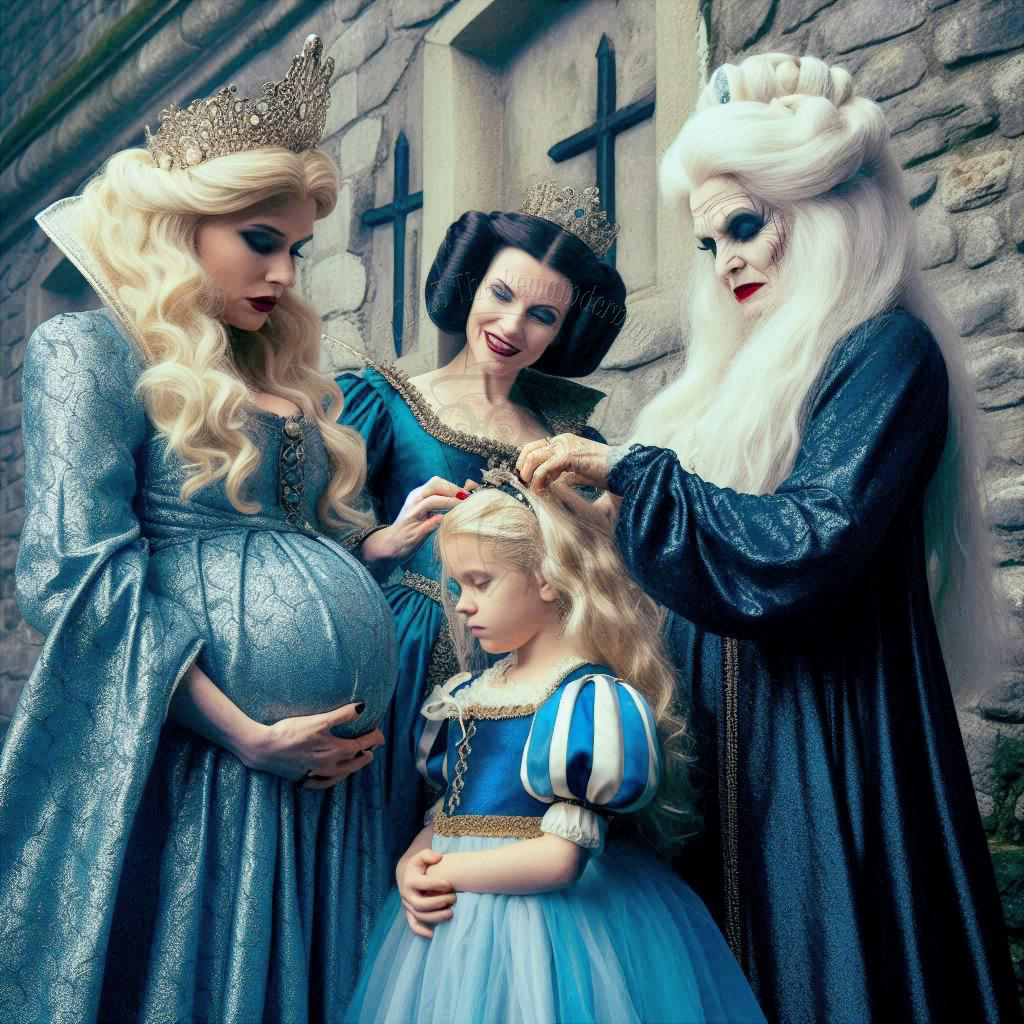
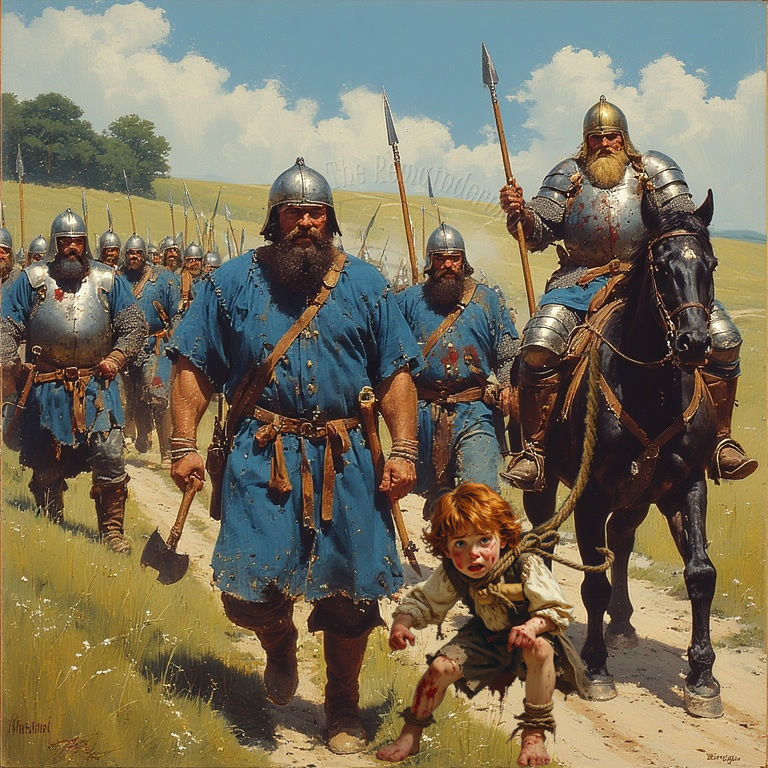
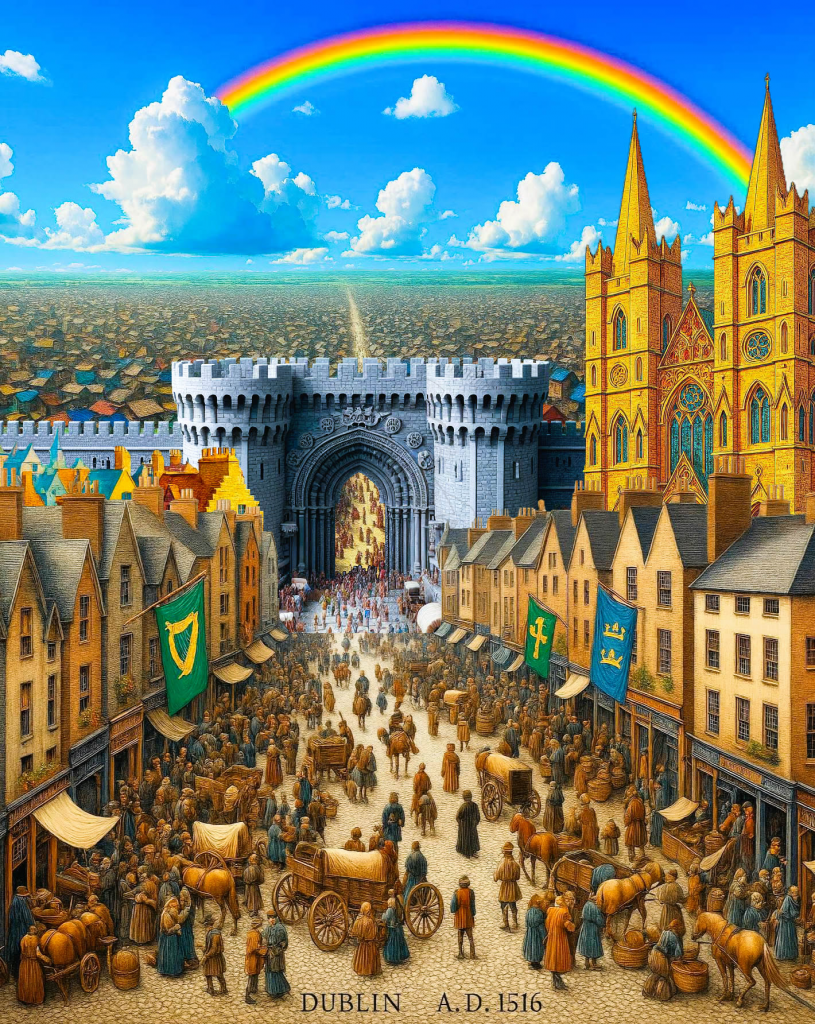
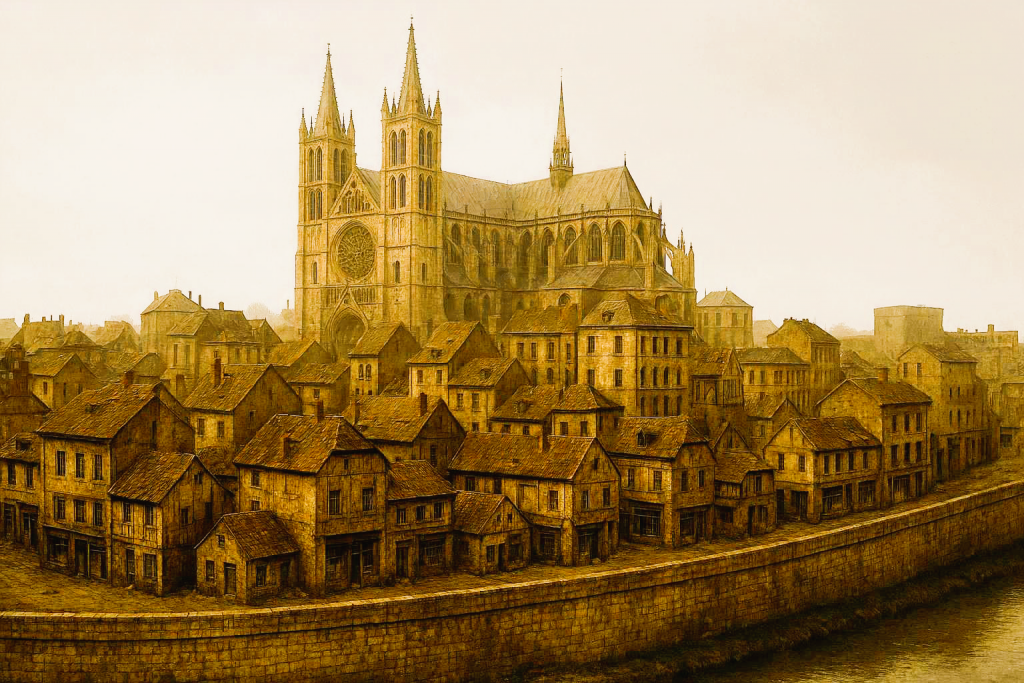
4880 08-06 The thrilling joy of ancient Greek4881 08-06 The intense bliss of carpentry4882 08-06 Desperate Serenade4883 08-06 Chava, Interrupted4884 08-06 Interrupting Chava4885 08-06 Look where you’re going!!!4886 08-06 Tirtzah in Chava’s Seep4887 08-06 Picking a place to pray4888 08-06 Underground Love Affair4889 08-06 The fiery heat of hell
PREVIOUSLY: Two traumatized boys residing on the militarized Southern border of the Pale, Char and Pen, accompanied by Char’s governess Sindonie and her son Ollie, have just been given into the care of “Mother” Phillipa and the Augustinian nuns who operate Charite Hous, the only orphanage in the Pale. In their first 12 hours at the orphanage they have fought, talked, and been beaten with their new fellows. And after doing her best for her charges, Sindonie must also think of herself. NOW:
Their first day of classes—after the regrettable beating that began the morning—was a success. Oliver was not too interested at first, but started to enjoy what was—for him—strictly a refresher course in letters, counting, and English when his mother proposed a game: Oliver playing the teacher. The boys seemed to find it hilarious, and Sindonie, with the germ of an idea, or perhaps a concern, in her mind, very consciously encouraged Char and Pen to help Oliver teach themselves.
In the afternoon, Sindonie and Brother Griffin agreed there was little to be gained by making Oliver sit through a few hours of Greek before returning to his knight training. He agreed Sindonie could give him the run of the parts of Christ Church and the Holy Trinity Within that were accessible to the public.
Sindonie wasn’t that interested in Greek, either. But she knew she would need to understand at least a bit of it to help the boys and be effective in her job. It also crossed her mind that rarity was a source of value, and if Brother Griffin was the only person in Ireland to know ancient Greek, it implied there could be some value to the knowledge. With somewhat muddled purpose, she endured the first day with Char, the two of them exchanging dubious and skeptical looks every time Brother Griffin said something that sounded weird—which was pretty often, since he seemed to be suggesting that Latin—which both of them knew already, and they had been taught was the language of the Bible—had actually developed after Greek, and that parts of the Bible had been originally written in Greek, or translated to Latin from Greek, even if they had originally been in Hebrew or a language Char and Sindonie had never heard of before called Aramaic.
For some reason, Char seemed to find it particularly funny that “P” turned into “Rho” and Psi looked like a candelabra. Sindonie tried to keep both of them engaged in the lesson with Pen, without frustrating Brother Griffin too much. She could tell that sometimes, he seemed to positively want to find problems with the idea of teaching their motley crew Greek—she thought it was because it upset some very fixed and fusty old notions of propriety he had—while also finding that he was excited and enjoying himself, even if he wasn’t prepared to admit it. One sight of poor Char’s back, bottom, and thighs (Sindonie checked his bandages and wounds after every divine office), and Griffin seemed to get a lot more sympathetic towards the boy, showing him great patience, even impressed with him for being able to show any kind of interest or demonstrate any degree of concentration when he was suffering so much.
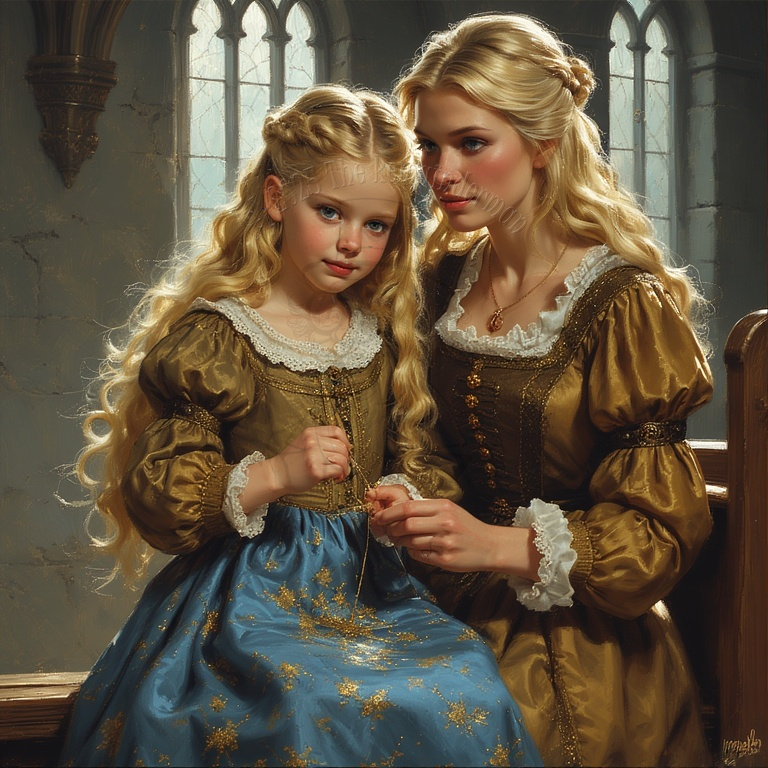
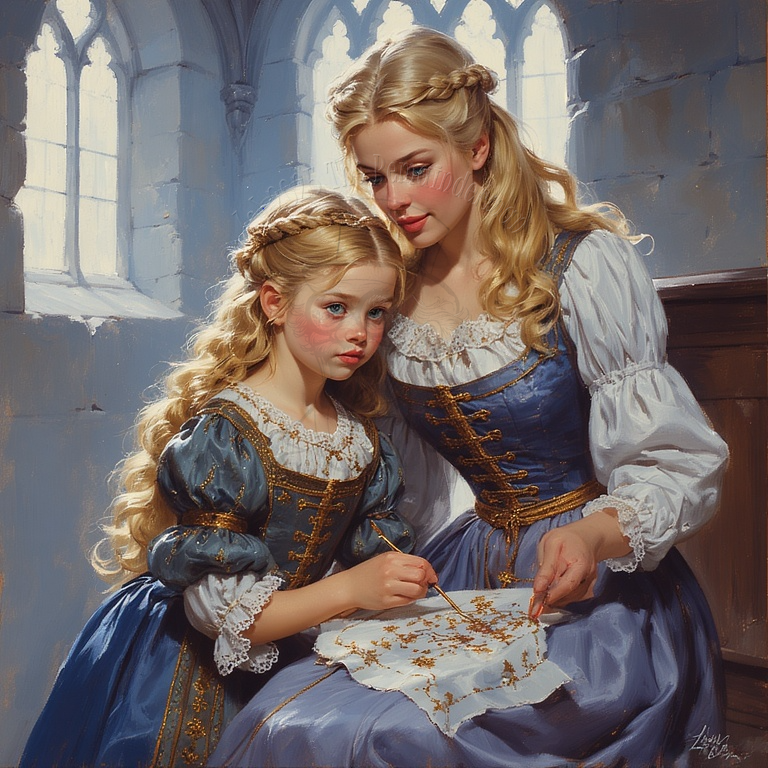
When they were finished, Sindonie, somewhat nervously, was thinking about the least-suspicious ways to propose that Char and Pen search the cathedral and other churches while she search the remaining areas. But mercifully, when they exited the library at Holy Trinity Priory, they found Oliver in the cloister, crouched on top of a square plank, helping a skinny, middle-aged man in the robes of an Augustinian religious brother who was sawing the end of it at a 45 degree angle along a diagonal line from corner to corner.
They all watched curiously, not wanting to interrupt until the task was complete. After sawing the last of it, the brother scanned the surface he had just cut with a critical eye, finally nodding with a begrudging respect. “What do you think?” He asked Oliver.
“Very smooth, Friar James; but I think it still needs to be sanded… here….” Oliver pointed with fingers of both his hands, indicating a region of the cut.
“Your eye is as steady as your hand, young man. I would suggest wood should always be sanded after cutting, as a matter of course, when you’re talking about weight-bearing architecture and decorations for a religious building. And I like to make everything I build as close to perfection as I can as a mere human. We are working with the body of living things, the trees. And it makes me feel like—” He looked up toward the sky, as if seeking inspiration there, instead spotting the boys and their governess. “I am following as closely as I can, in God’s footsteps,” he finished, and then smiled at the new arrivals. “I’m Brother James, the Priory carpenter.”
“It’s so amazing, mother!” Oliver positively gushed—for a child as calm and reserved as Oliver usually was— “Look how he cut these two lengths of wood… just here… with these sharp angles, so they hold together, even before gluing the wood!”
“That’s… very impressive,” she managed to nod, hoping she sounded half as enthusiastic as she was trying to.
“No one does that in Wrathdown… or Skremen.”
“I’m sure they don’t,” she agreed, smiling back at Brother James. “Thank you for showing this to my son.”
“It’s my pleasure and duty,” the brother assured her. “Carpentry is the Lord’s work.”
She gave him a sharp look, decided he understood what he was saying was funny, and smirked until he smirked back. “So it is,” she allowed. “Will you be working here again tomorrow?”
“For several more days, I expect.”
“Then we may see you again.”
“I hope so!”
Midnight. Or so said the city watch, passing by in the street, scaring her senseless.
She had awoken in a cold sweat, gasping with fear at the nightmare visions of burning and branding and hell that she had suffered.
She forced herself to lie still for several minutes, confirming she heard the steady breathing of Mother Phillipa and at least one of the two duty sisters sharing the third bed.
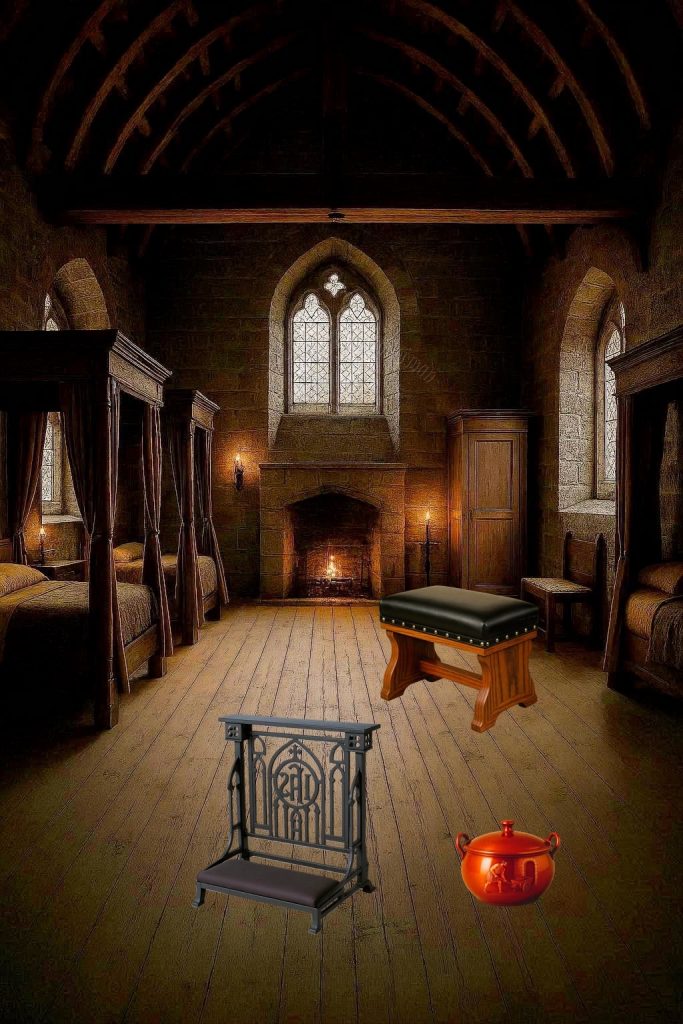
Quietly slipping from her own canopy bed, and carefully pulling the curtains closed behind her to discourage anyone checking on whether she was there, she crept to the door—which fortunately, Mother Phillipa left open at night to better hear any disruptions like the one that had brought her running the previous night. She moved silently to the stairs and down them, 1-2-3-, willing them to be silent. She chided herself for not having paid any attention to noises on her previous transits up and down the stairs as each step was another exercise in suspense: 4-5-6-7-she-skipped-8-straight-to-9-and-then-cringed-as-she-landed-on-it-with-a-slight-noise. Freezing and making a face, she eventually resumed her downward circle, waiting for one of the wooden landings to surprise her with a creak or squeal she might not have noticed in the chaos of daytime at the orphanage, but that might sound like a thunderclap in the silent night. But she dared not to try and skip any more steps in the dark.
Her next scare came just after passing the second floor, on stair number 20: she heard a creak. She was sure of it! And not from the 20th stair: from somewhere behind her, which meant the second or third story and maybe—if she trusted her instincts enough—from the boys’ bedroom.
She tried to persuade herself she wasn’t nervous as a cat because she was afraid of getting caught; why should she be? At this point, only she knew what she was about; and no one had told her she wasn’t allowed out of bed.
Yet! But if she had to bet, if she were caught, Mother Phillipa would be suspicious (she barely, well almost, stifled a giggle as she thought: although why on Earth she would suspect little old lay sister Sindonie, or whatever she was, for creeping around at night the second night in a row after being, er, linked at least to the terrible fight that had erupted, she couldn’t imagine….).
“Stop being silly,” she whispered to herself unhelpfully; but as certain as she was she’d heard something, it hadn’t been repeated. And really, who would be likely to wait silently longer than she had just done? None of the children had the patience; and she was more than 100% certain any of the three nuns upstairs would be curt, rude, and extremely impatient with her or anyone else they found wandering around in the dark.
Finally, her fear of loitering so long she lost her chance, overcame her fear of being caught; and she continued on her way down to the ground floor. Eventually, 36 long stair steps after commencing her progress at the top, she reached the bottom. It was there, three steps away from the staircase, that the complete and utter silence was suddenly pierced by the watchman in the street, hollering out as loudly as he could manage: “Twelfth hour and all’s well! The King’s Peace is unbroken, the night is cold, and the sky is clear!”
She clenched, she tensed, a expletive hissed halfway out her lips before she caught it and sucked it back in, her body still surging with the wave of adrenaline the cry had triggered. Who the sard thought it was a good idea for the city watch to be screaming out anything in the middle of the night, let alone the time and weather?! And, wouldn’t silence be a better way to demonstrate, even celebrate, the king’s peace being intact than hollering about it and waking people up? Despite being muffled through the heavy front door, when unexpected and coming out of total silence one had no reason to expect would be interrupted, it sounded LOUD!
She tried to count herself lucky these were just the regular watchmen, and not the waits—she had heard Dublin had them, like any civilized city back across the Irish Sea—singing and playing music as they wandered through the night streets like madmen playing pranks on sleepers.
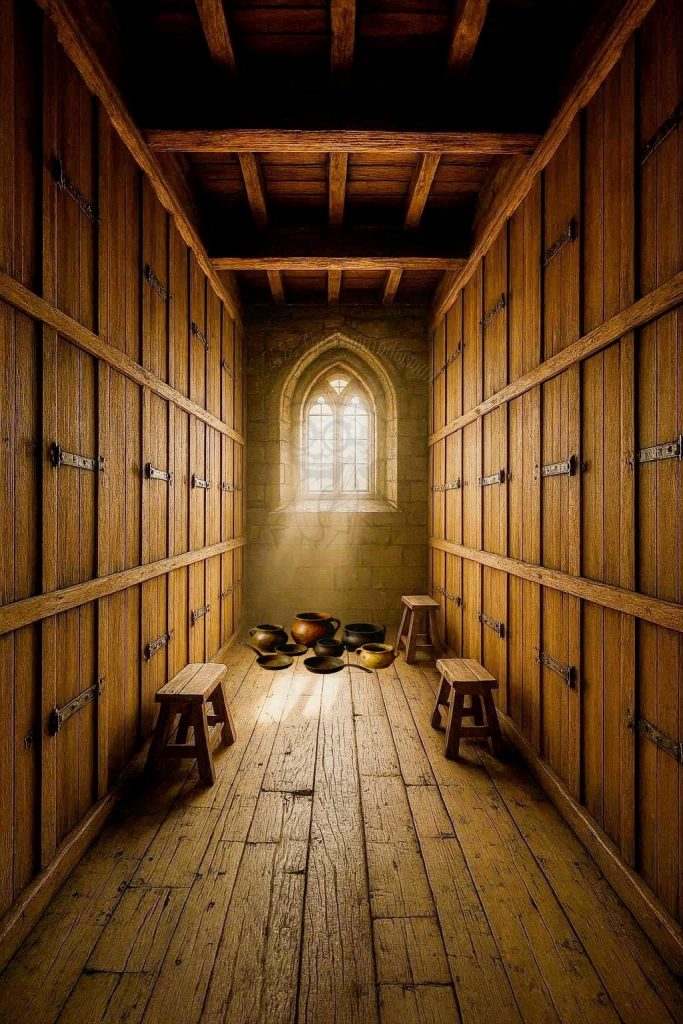
She bolted to the storage room, and with a tiny squeaking noise, eased the door open just enough to slip in and pull it shut behind her, using the watchmen—if she couldn’t make them disappear, which she evidently could not—as noise camouflage. They seemed to be tramping downhill toward the harbor, so that after hearing them through the front door from the hall, she heard them last through the window panes of the storeroom:
“Your turn, mate.”
“I went right before you! It’s—it’s your sarding turn, fatso!”
“Neither of you took on a full turn! It’s not my turn yet!”
By the time she heard the muffled sound that she half-recognized from intonation as much as wording, of them resuming their cries, it was too faint for her to tell which of them had lost their argument.
Putting them out of her mind, she squared and shrugged her shoulders and took a deep, slow, calming breath.
Was she really going to do this?!
She couldn’t! She’d spent her whole life fighting to stay away from this. All her life, trouble had followed her. Was she really going to come looking for it tonight?
But no matter how much she thought about it—and she had kept thinking about it, a lot, from the moment her mother had first made it clear she expected Sindonie to come to Dublin—she couldn’t see a way around it.
She was so scared she couldn’t even sleep! And today had just made it worse, rubbing it even harder into her face that she would be at risk of exposure every day she lived in Dublin.
It scared her enough she almost—almost!—mustered the courage to defy Lady Parnell and Baron Wrathdown alike. She’d fantasized about doing so often enough, and for the longest time: with her mother, all her life; with the Baron, since she had first met him.
Could it really be any harder than staying here, to take her children and flee? Wexford, Chester, Bristol, London, Paris… anywhere, just far enough away to put her out of Lady Parnell’s and Baron Wrathdown’s reach. Was anywhere in Ireland (by which she meant, the Old English palatine lordships outside the Pale; the wild parts of the island would never even have crossed her mind) far enough from her—from either of them—to be safe? Was anywhere in England?
Maybe Scotland! She thought. Entirely independent of England and Ireland; but in much of which, English or its cousin Lowland Scots (which she was confident she could fathom) were spoken.
The desperate idea of leaving Char behind even crossed her mind, despite the guilt that immediately followed it. Without them, Char and Pen, the world would belong to her and Ollie. She couldn’t hope to marry, not a gentleman; no one even close to her rank. But she was still young enough to appeal to many men—most men—as a lover. And she was skilled, and willing. She could trust Oliver to stay out of trouble while she found them a new and magnificent home, perhaps some Scottish keep high in the mountains (but not the Gaelic Highlands—somewhere scenic, but civilized).
Or maybe a reiver Lord, on the border between England and Scotland. They were practically made for that, coming from the Pale, and Ollie would love it. Those borderlands had been contested so fiercely and so long, she had heard there weren’t just areas where both sovereigns claimed authority, but areas both sovereigns had forgotten about: liberties owing allegiance to no higher authority. If she could seduce the Lord of a Liberty who owed no one allegiance…. Now that was a near-perfect fantasy!
Only near-perfect, because while she could really imagine herself finding the courage, one day, to liberate herself from her tormentors…. She was afraid she could never overcome the part that was afraid to take Ollie away from the Pale. This was his world; and while he might have a fine and happy life on a reiver liberty surrounded by strangers, the life she owed him, better than an acceptable life, was here, where he was a squire, his grandmother was married to one Baron, his aunt was married to another Baron, and his mother…. Well, she had some connections at least, the connections he needed. If he could stay in the Pale, without his mother dragging him into infamy, then this is where he belonged; and where she wanted him to be. There was no way she would ever let her mother take possession of Ollie, or leave him behind to the impulsive shenanigans of the Baron Wrathdown when she was too far away to rescue him.
And anyway, she thought fondly, she could never bring herself to leave him behind and build her own life without him in it, or let him build his own life without her. Never.
Which brought her back, here, to this place, this situation, this pickle she was in. If she could… ah… avoid notoriety in Dublin (and the stake, a traitorous part of her mind added) she could almost get excited about the possibilities. Almost. It was crowded, and it stank. Two characteristics a wild child from the Pale would never feel reconciled to. And not free from either of her tormentors, but at least at a distance from them, able to live 90% of her own life for herself, instead of dancing to their tunes every minute of every day. And she was no longer at the center of their plans, she had been put out to pasture on the periphery. Let them concentrate on manipulating her sisters and Char’s brothers for a change. And the wealthy men… there were a lot of them in Dublin. She might have to go to Bristol or London itself to find more of them. Surely, she could find one rich man she could stand…. Char and Pen were supposed to be with Brother Griffin all afternoon, every afternoon but Sunday. Surely, she could find a man who found it convenient to socialize in the afternoons, allowing him to return to his wife and duties in the evenings?
All of which brought her back to this moment.
This threshold.
She was terrified to cross it, and with eminently good reason. For another second, she permitted fantasies of liberties on lost mountaintops between England and Scotland swirl back into her mind, even knowing they were pointless.
When she finally fell to her knees in the storeroom, using her fingers to summon her ink and to begin smearing her runes on the floor, it was more an act of surrender than of will. She wasn’t really acting deliberately towards a goal. Instead, she had exhausted herself, her own ability to resist, to fight reason and sense, so her body could do for her what it had to do.
She began whispering, the words pushing away her awareness of everything outside the room, even as the words began slipping into a cant, and then a chant, writhing and writing on the floor using her hands, sometimes together, and sometimes alternatively, to touch herself, evoking her medium, and then spreading it in precise and arcane patterns on the floor, invisible to the naked eye but blazing like beacons under that other sun.
Of all the nasty humors and pusses and fleshes and bones that filled the oft-disgusting human body, a few were useless; most were good only for a narrow, specific set of spells relating to them in particular; and only a very few—notably breath, mothers’ milk, blood, cum, spit, piss, and shite—were generally potent and efficacious media for magic, without effecting permanent damage or loss upon the body. The last three were too negative to ever cast on herself; they were for defiling others, her enemies and victims. The first three were too intimate and personal—breath binding lives, milk families, and blood oath-makers. Cum, a binder of friendship and convenience, could be intimate but without hard-core risks to life or sovereignty unless mixed with that of the opposite sex, a chemistry too powerful for mages to safely control.
Cultivating an open and liberal mind was a wise and valuable activity for anyone practicing magic, because to the extent one could experience lust for the object of one’s more practical and instrumental desires, cum was a cheap and safe medium for binding and supplication.
By the time She appeared, Sindonie was embarrassed by the intensity, intimacy, and inappropriateness of the thoughts and feelings she had worked herself up to feeling. Thoughts and feelings that by their nature, entreated Her to appear. If the demoness took her entreaties literally… she blanched, fearful and uncertain, suddenly thinking a little embarrassment wouldn’t be too bad…
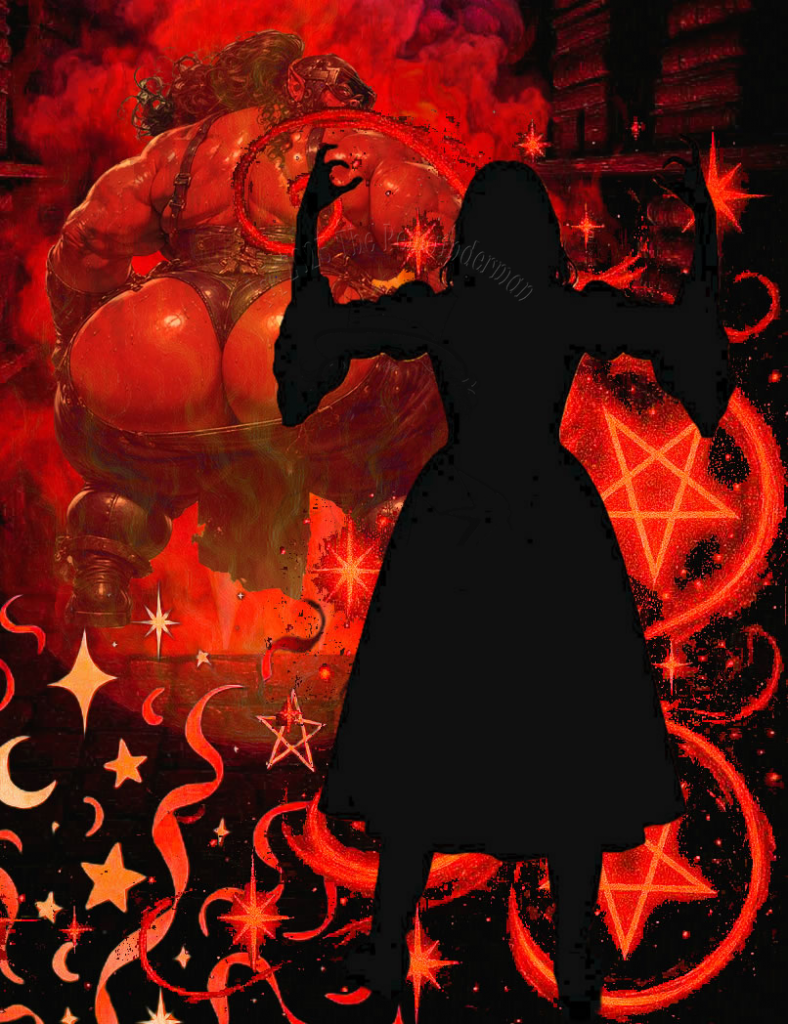
It had started before she even realized it. As she pleaded and chanted, she despaired that she would succeed; what did she really know of such things? Being a victim of circumstances was different from trying to arrange them; perhaps they were the very antitheses of one another. But even as she felt hopeless, the room was darkening around her. For a moment, she wondered if she was losing consciousness, perhaps from her position kneeling on the floor, the intensity of her efforts, or her own success making herself delirious with arousal. But then she realized the room actually was getting darker; or rather, a thin dark mist was gathering near floor level; the mist expanding in a larger circle even as it became thicker, and then columnar in the middle of the circle like a stalagmite rising from the floor.
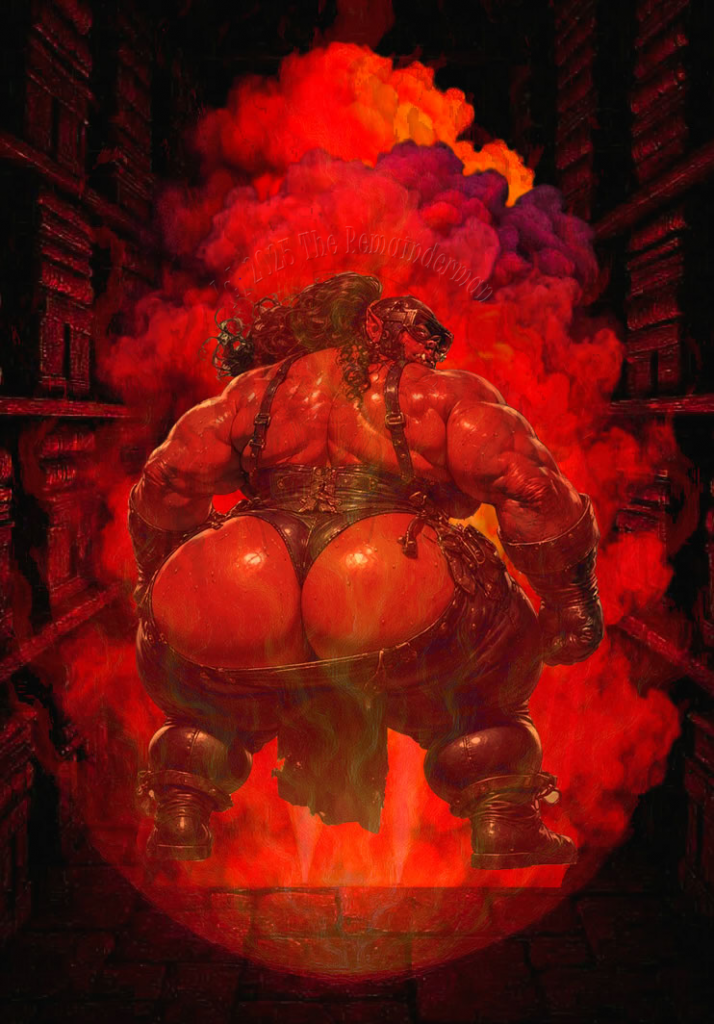
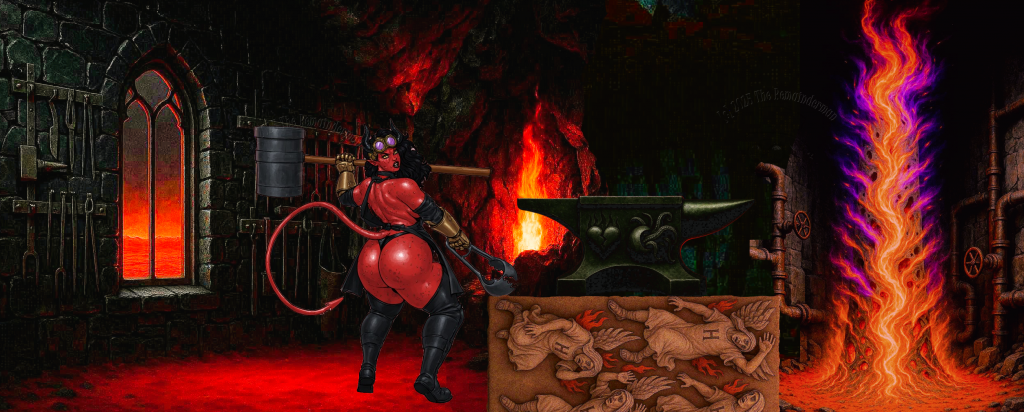
Next the mist started glowing, appearing as if it were heating on a stove, igniting from black to reddish-brown to an angry crimson-orange and finally a bright glowing cumulonimbus cloud of reddish-orange light, beginning to move and swirl as it thickened and brightened around the figure of a red demoness, more orc than human, more hided than skinned, heavy and thick with muscle and fat, horns decorated with engraved copper caps glinting in the flickering light; matching copper ribbons hanging from her horns and tail. She stood with her back to Sindonie, magnificent in her casual, unintended sexuality. She glistened and shone with sweat, moderated by soot; in gauntlets, apron, chaps, and boots that covered the front part of her body, the part facing fire and anvil as she crafted from iron and fire and smoke, from neck to floor; while leaving her backside scandalously bare, the leather straps holding her chaps and apron wrapped tightly around her skin and pressing into it like bonds, matching the decorations depending from her horns and tail; over only a thong and bra. Her tail flicked and curled and coiled from side to side behind her, a restless force in itself, separate from her conscious mind. Even being half-naked was not brazen enough to keep her truly cool in her hellish furnace, but it was less cloying than being mummified on both sides. As she became aware of the spell swirling around her and pulling on her, slowly bubbling up from the unconscious where Sindonie had begun her seduction, to the demoness’s subconscious and finally into her active mind, she set down the glowing, evil-looking little cage she had been holding to the fire in a pair of tongs; and peeled her monstrous obsidian-eyed leather mask off her head, flinging sweat from her soaked hair and the inside of the mask, as she looked around for her summoner.
Sindonie scrambled back and up to her feet as she finished her spell, to avoid touching the sparks and swirling flames that were somewhere between the fire of her forge and the burn of Sindonie’s spell, drawn to and slipping like a living thing through the cracks between that place and this one. She found herself hyperventilating with a sudden panic, shocked at what she had done, just as the beast’s eyes found hers. A second of silence stretched out awkwardly before Sindonie recovered her presence of mind enough to offer curtsy and courtesy: “Mighty and ingenious Dama Chava, thank you for receiving me; and welcome to our plane.”
Looking around her curiously, and stepping through the curtain to appear clearly in the storeroom bringing a storm of fiery, smoky, sweaty, perfumed air with her, Chava responded slowly: “Where are you—we? This? Exactly?”
“Your unholiness, we are in the city of Dublin, Ireland, in the orphanage of Our Ladies of Lesser Mercy Mary Magdalene and Salomé.” And then she added, uncertainly: “Er, on Earth, I mean.”
Turning her attention on Sindonie, she looked surprised. “I remember you, Sh-? Sh-something….”
Chava looked uncertain. “Sindonie?” She rolled the word around on her tongue, testing it. “Was that it? I certainly never thought to hear from you again,” Chava marveled. And then, her face softening: “And perhaps, I hoped—for your sake… well, when I heard your invocation…”
Sindonie reddened again. “I’m sorry, Dama, I—”
She laughed sharply. “Be sorry for yourself if you don’t want what you beg for. But I was only going to say, I was very surprised. Of all the livestock who’ve fed us, you were memorable for your disdain and resentment. I thought you, of anyone, would be done with us.”
Sindonie took one deep breath, then another, faster, stilling herself again and keeping her emotions at bay with great effort. Her eyes flickered with the sting of tears demanding to pour, but despite her tightness of voice she kept it level, after only one or two wavers: “I was supposed to be done—to be done with—the inferno. I prayed for it. But I’m not!” Traitorous tears forced themselves onto her eyes and cheeks, undercutting her dignity and mocking her determination to present a strong face to hell.
Chava, with just a hint of sympathy, waited a moment before prompting: “It can stick. The taint. The whiff of brimstone…. Tar is easier to set down and leave behind.”
Sindonie wanted nothing more than to bawl; but knowing well the myriad and extreme dangers of summoning, forced herself forward, trying to keep the interaction as short and professional as possible: “I think she knew—she didn’t warn me, but she arranged it so I would reach into the churchyard instead of entering it—I’m sure she knew!” Chava was just watching her, with more patience than she would have expected from any demon. She hurried forward before that patience could become exhausted, forcing it out as a rapid-fire whisper: “My mother made me come to Dublin to act as a lay sister with the Augustinians and they expect me to confess. But I can’t even enter sacred ground without my flesh catching fire! Let alone—I mean, I haven’t dared to think about sacraments since—” she dared to resume and maintain eye contact with pleading eyes.
Chava frowned in confusion, then burst into laughter again. “Oh dear. Do not tell me you’re seeking a demon’s help to attend church?!”
“You—you all—did this! I need you to undo it!” Sindonie burst out, before she could stop herself, her face red.
“Oh, no. No, you acted. And, it seems, you were judged. Not by me. We demons really aren’t ones to judge,” she smirked, before sympathy returned to her eyes, perhaps at SIndonie’s stricken look.
“I didn’t have a choice!”
“If there were consequences for you? Apparently you did.”
“That’s not fair!”
“Nothing is.” A twisted look crossed her face before passing. “I didn’t say you had an attractive choice.”
“But—but—you have to have some way to—to undo it—” She seemed to take Chava’s gentle shake of her head as a prompt to speak faster: “Take the taint off me, or—or at least hide it!”
Chava’s slowly shaking head was relentless. “We deceive humans. All the time, every day. But we can’t deceive the Holy Spirit. No one and nothing can. I can tell you—” suddenly she stopped, turning her head back over her shoulder, remembering or perhaps hearing something. Biting her lip, she shook her head again, decisively. “No. I’m sorry. I can’t. I can’t help you without making you pay.”
“What?” Sindonie whispered, paling.
“Mm… something. You must have had something you were planning to offer me, for my help?”
“Yes, but—I know what you need. Blessed things, the blessed metals.”
“Oh, yesss,” the demon hissed, nodding, very much interested. “That would be acceptable coin.”
“But—but if I can’t get onto sacred ground—”
“Hmm…” Chava rubbed her chin, making a thoughtful expression. “Perhaps I could give you the information in exchange for your bringing me blessed things if your quest succeeds.”
“We could—yes, I would promise—”
The demoness chewed her lip. “I would like to do it, but I have rules of my own. Give me a day and a night, and return to me again at this time tomorrow night, here.”
“It will be easier if you breach the portal. Any distance is enough, but I use 15 paces, to be sure.”
“‘Breach the–?’”
Chava squared her own shoulders and stepped forward, enjoying the cool shock of it as she crossed fully into the world, then gestured back over her shoulder toward the hole. “Walk through. 15 paces to be safe. Then come back. I’ll do the same on this side. Then this portal will—shit!” she hissed. “I can’t help you until we have a bargain. So…”. Then she shrugged. “Your choice. Do as I say, or don’t. Do as I do, or don’t. My sister Tirtzah is the only demoness you might encounter, simply tell her I commanded you to return after 15 paces, she’ll understand. But I’m going to… two, three…” she said aloud, so the human would understand she was counting off her own paces on the Earth.
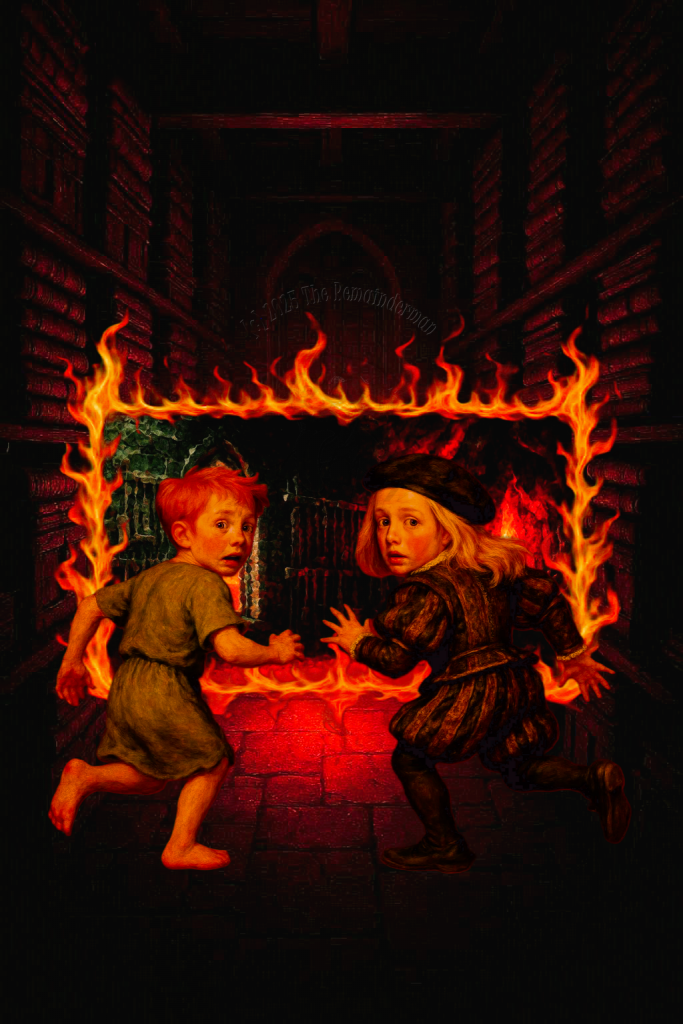
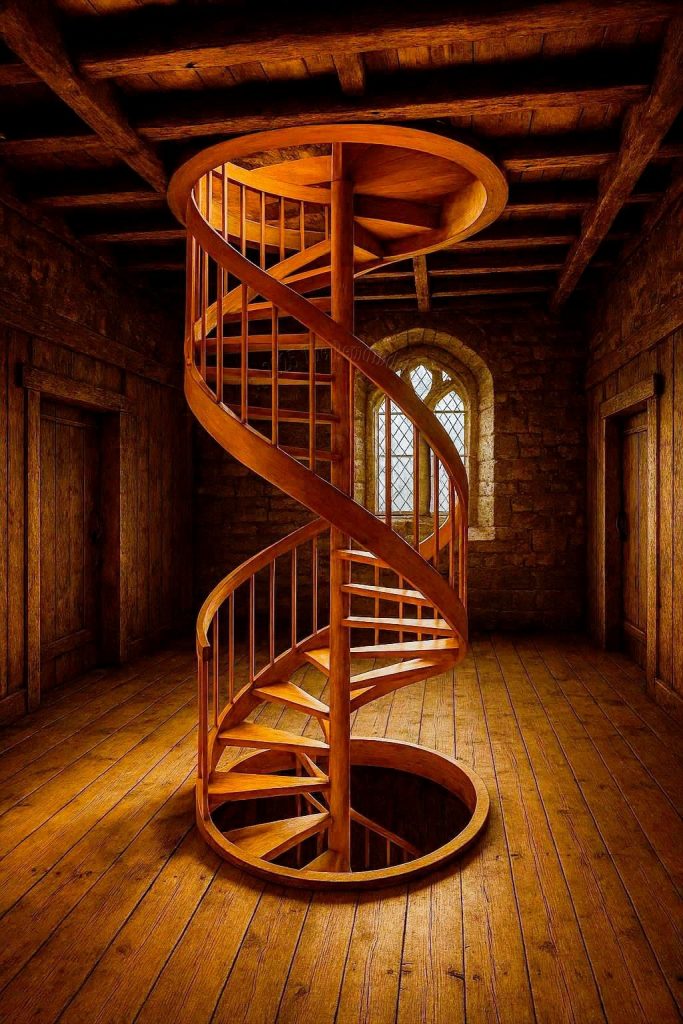
She counted her remaining paces silently, hearing silence behind her for seven or eight paces; then, just as she paused at the door to the storage room, she heard the sound of Sindonie taking a deep breath and stepping through the portal behind her. Chava listened for a moment with her ear to the door before raising the latch and, with heightened alertness for any sound, counted her remaining paces as she strode out into the dark, cool hall, briefly lit with the red, watery light of hell. With a curious sweep of her eyes at every corner she could see, she made a small circle around the base of the spiral staircase, nodding with satisfaction. “Dub-lin.” As she finished her circuit, her eyes fell on the open door to the storage room, and right there beside it, on the other side of the half-open door, she met the eyes of two terrified, or possibly simply shocked, little long-haired children, seemingly paralyzed, their mouths and eyes competing for the title of “widest open.” After her circuit, she was left squarely between them and the rest of their world and they, without knowing it, were separating her from hers.
Frowning, she stepped quickly toward them, raising one finger to her lips and whispering “shh!” meaning to get close enough to cover their mouths before they started screaming or shouting.
They were so. Flabbergasted. She didn’t know whether to be impressed they maintained enough control over themselves to avoid peeing themselves, or amused that they were so shocked they couldn’t even muster a pee. But of course, her rapid approach triggered their deepest instincts.
None of them would ever know what the redheaded girl would have done on her own, because the blonde boy (judging by their attire), who was holding the redhead’s arm tightly, decided that instead of freezing or fighting, he was going to run, and either consciously or on instinct the girl followed the pull of his hand when he yelped: “Come on!”
Chava’s first thought was: Where are they going to go? And then a second later, almost as soon as they started moving, she figured it out: Oh, shit.
They bolted straight into the storage room. It wouldn’t have been much of a plan, as human plans go, if they’d known about the portal or where it led. But really, it was an even worse plan since, as far as they knew, the storage room was still the same dead-end it had been the first time they saw it. If it wasn’t for the yawning chasm to hell, they’d simply have trapped themselves in a narrow dead end where she could easily do whatever she wanted with them.
As it was, she wasn’t even sure if she saw them hesitate momentarily when their minds wrapped themselves around the idea there probably shouldn’t be a big, glowing, smoky red hole in the storage room; and they probably shouldn’t run into it. Or perhaps they were so focused thinking on her, they ran through the portal without even putting the pieces together at all.
Either way, they were through before Chava could catch up with them.
The sudden shock of the much-higher temperature on the other side, the tingling-grating feeling of passing through the membrane, or the sudden clarity of the other side after they were on it, brought them up short a few feet through the portal. Then, after a moment, they bolted to the right, out of Chava’s line of vision until she made it through the portal behind them.
She could immediately see why they’d cut to the right: Tirtzah was standing against the wall to the left among the racks of tools, lifting her own forge mask from her head, as sweaty and sooty and, well, bright scarlet, horned, and tailed, as Chava herself. She looked only slightly less surprised at all the sudden traffic, than the children had looked at the sight of Chava.
Chava registered that Sindonie was standing in the doorway past Tirtzah, looking up and out in awe at the landscape of hell, even as Chava was turning to the right to find exactly what she knew she must see: the two children, their hands raised in front of their eyes, standing several feet in front of the blazing flames of the augmented naphtha seep, their bodies assuring them in terms they could not misunderstand that they could not possibly squeeze past either side of the column of variegated flames filling the better part of the cavern. In fact, even if they could have gotten around the flame, they would still be trapped: The cavern dead-ended not far beyond the seep; and the hot air rushing in from the doorway Sindonie was standing in, rose from the seep with the flames through a narrow chimney to erupt from the rocky volcanic slope a few feet above them.
Surely, she thought, they wouldn’t attempt to force the passage, no matter how aggressively she came at them from behind; but out of an abundance of caution she approached them slowly, raising her hand to slow Tirtzah down as she caught up with Channah. Even Chava, as sweaty as she was, could smell her sister because, well, succubae smelled with the same force as scented candles or fresh cobbler, a spicy frankincense-myrrh-opium smell perfectly balanced against the brimstone scent of hell. They always smelled, not unpleasantly, but strongly. They were scented. Most female cattle didn’t react all that much to their scent; a fair portion of them even reacted with the instinctive hostility of a trapped cat when succubae approached them. But male oxen almost universally adored it, even the smell of succubae as sweaty and sooty as Chava and Tirtzah were from working in Chava’s blazing-hot forge. The pheromones in it were too powerful, and too complementary to male receptors regardless of the males’ natural proclivities, for any other reaction.
The children looked behind them to check on how close their pursuers were and looked at one another in dismay, right before the girl—followed in short order by the boy—dropped to her knees and—
“Noooo!”
“You can’t!” Chava cried, now racing as fast as she could with Tirtzah right behind her shouting: “Stop! Not here!”
But it was too late.
As if in slow motion before her, she saw the trapped children clasp their hands and start reciting the Lord’s Prayer: “Pater noster qui in caelis es sanctificetur nomen t—”
The next moment she and Tirtzah were on them. If it hadn’t been for the flames behind the children, they might have stopped them in time; but they couldn’t just dive and tackle them without all four of them getting badly burned by the fire in front of them. So they snatched up the two children, the blonde in Chava’s arms and the redhead in Tirtzah’s, and pulled them back away from the fire.
The children’s reactions left no doubt about their biological sex: As young and innocent as they were, as devoid of any adult sin as they could be, not even entirely gendered by the very gendered society they lived in, their flesh and that of the succubae recognized one another as deeply and perfectly as the flesh of females and incubi. After several hours’ heavy work hammering so close to the fire, Chava and Tirtzah were drenched; metaphorically lit up like fireships on a dark night. Even the males among the domesticated, pallid damned of hell, as thoroughly broken to the succubae as they were, couldn’t be used to assist the succubae here, under these conditions.
The blonde boy immediately started wavering in Chava’s arms, as if he were no longer sure he could stand up, his eyes drooping and a drowsy, dazed, passive expression coming over him. If this were sleepiness, he would have yawned continually.
Meanwhile, the redhead in Tirtzah’s arms reacted even more powerfully, seizing for a few brief seconds before passing out of consciousness completely.
If only that had been the end of it.
Succubae and incubi roaming the Earth couldn’t sense it at all. Those here who were busy, or far away, or weak probably didn’t notice anything.
But Chava’s Seep was directly beneath her Liege Lady’s castle, after which this hell was named. The site of the castle, and of the augmented seep, had both been chosen because they sat on top of, and close by, the very, infernal core of this place.
And the Queen of Sodom, the Hell of Lust, was neither weak, nor absent, nor particularly busy.
It was not alarm that brought her. She was too powerful here, and too rightly confident in her own power, to be alarmed, let alone scared.
But she was surprised, as surprised and delighted as any of the succubae or damned of hell who sensed it, to be rocked by the reverberations of prayers in hell. Their vibrations were so incompatible and opposed to those of hell they caused tremors; and the hope and faith they signaled were so rare in hell they were a local specialty valued like the finest caviar dusted in gold flakes: Exquisite. Exciting. A red flag promising a bull a smorgasbord of meaty delights to sate its blood lust.
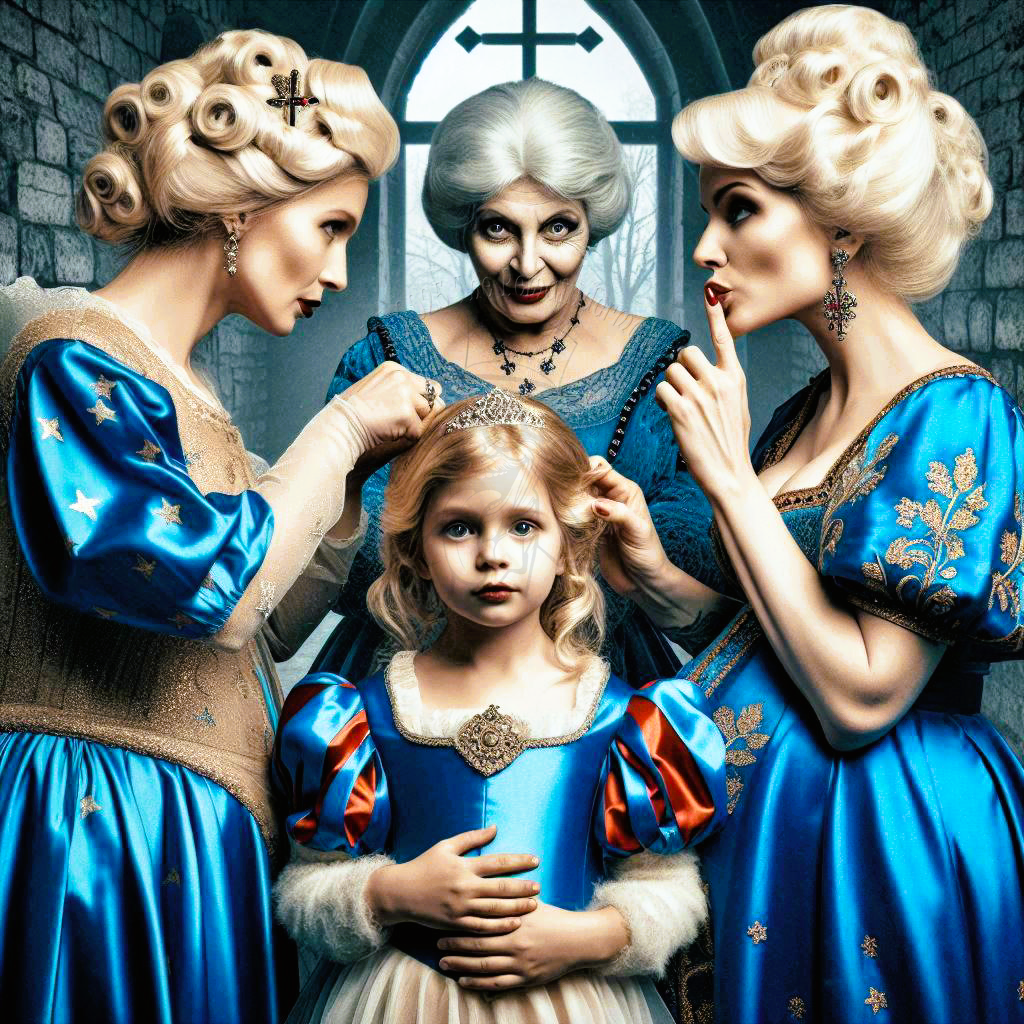
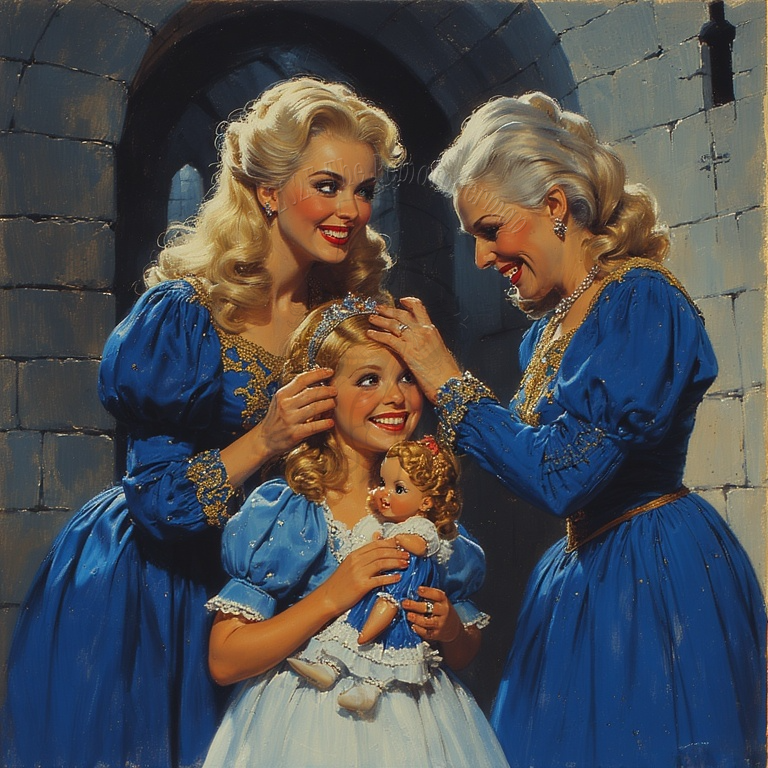
Queen Channah, the sexiest, smartest, and most-powerful (and when she wanted to be, even the very fattest) of the succubae, appeared with a crack of thunder and an eager, amused, predatory look in her eyes. She was absolutely, breathtakingly gorgeous. Enough to make any woman, however thin, jealous; enough to raise the pulse and organ of any man, even the most-prejudiced in favor of pale twigs. Her eyes had a hypnotic, gravitational force to them so powerful one immediately recognized it, and had to resist the urge to dive into them. Only in retrospect, with benefit of that insight, did one recognize the same quality, much diluted, in the other two demonesses’ eyes, or its insidious action on men.
She wore an exquisite charcoal-gray dress and gleaming dark emerald snakeskin boots matching perfectly, symmetrically-braided leather thongs wound around her tail, which served to hold half a dozen clusters of copper, gold, and silver ribbons at equal distances along her tail starting just under the spade. Matching clusters hung from her black horns, which were at once longer and more elaborate than her servants’ without being unmanageable, and decorated to put them to shame, with exquisite inlays of copper, gold, and silver against the black horns, interrupted at the tips and five other equally-spaced points by metal caps and bands.
Chava and Tirtzah curtsied deeply, intoning: “Your Majesty!” Sindonie, her attention now fully on events inside the forge, looked even more overwhelmed than she had before. Wisely, she dropped to her knees and imitated her demon hostesses, all the while staring in shock, pain, and regret at the boys cradled in the demonesses’ arms.
“My Metalsmith and her… journeywoman,” Channah smiled, looking curiously back and forth between Sindonie, kneeling behind her; and the two young boys held in the arms of her vassals. Breathing deeply, she growled: “I had forgotten how sweetly you smell at your forge, my dirty red beasts. I am not quite sure which surprised me more: To hear someone praying in hell, or realizing it was coming from your seep! What, or should I say who, do we have here, and what are they doing here, praying?!”
“Your Majesty,” Chava answered, stammering nervously. “This woman summoned me to Earth to bargain, and while we were negotiating there, I spotted these two human boys hiding and they fled here and, when I trapped them—they just, started praying,” she offered with an apologetic shrug.
“On purpose?!” she asked hopefully; for any human who came to her hell on purpose, of its own free will, without being invited, became hers in every sense of the word, not mere physical custody.
“I’m sorry, Your Majesty, I don’t think they have any idea what’s going on… now.”
“They didn’t, Your Majesty,” Sindonie dared to interrupt. “They didn’t! Please, leave them alone! They’re just a couple of lost boys… desperate to stay as close to me as they could.”
The Queen turned on the frightened woman, a gaze cold enough to quench the seep if she set her mind to it, opened her mouth to speak, and then turned back to Chava, flicking her eyes briefly to the portal and back. “Where’s the aperture to?”
Chava gasped, realizing it was still open, and began raising her hand to close it.
“STOP!” Her Queen commanded, and she froze. “I asked you—where is it to?”
“Dub-lin, Your Majesty. On an island called ‘Ireland.’”
“Lillith and Cain, that’s nowhere. Still, I’ve never been summoned there from here before. If we’re adding an aperture under my palace to a plane I’ve never been, I should thread it before you close it. You have?”
“Yes, Your Majesty.”
“And Tirtzah–?”
“No—”
“Then come on, Tirtzah. You can drape your burden over Chava’s other shoulder or just bring him with you. But quickly, so we can close it.”
After they had both disappeared through the membrane, Tirtzah carrying Pen in twisted imitation of a mother carrying her child, leaving Chava and Sindonie staring at one another without moving, and presumably retraced Chava’s steps, they returned and Chava immediately closed it.
“Dublin stinks,” Tirtzah observed.
“Worse than Venice?” Channah asked.
“Not really. About the same.”
Sindonie was surprised to feel herself taking affront at the demons’ disparagement of Dublin. It wasn’t that they were wrong, just… they came from hell! It stank like brimstone here! Who were they to criticize the packed humanity of Dublin? Yet she wisely decided to refrain from weighing in.
“I think the strength of the stench is mainly a function of how hot they are.” Then, turning back to the astonished Sindonie, the Queen took up where she’d left off: “Where were we? Ah, yes. Cattle are to be seen, not heard. Which means you must be new.”
“We were only just bargaining, Your Majesty,” Chava explained, speaking quickly and swallowing every time she drew breath.
“Then why is she here?”
“I asked—I mean, I told her to come through! To thread an aperture.”
“You threaded an aperture here?! In the seep?!BENEATH MY CASTLE?!”
Chava was a reddish-pinkish-orange color, somewhere between salmon and coral red, by nature; much ruddier than her Queen or even Tirtzah. It would have been difficult for human eyes to decide whether she had managed to turn redder or paler; but her cheeks definitely changed tone. “YesYourMajesty!I’msorry!Wasthatbad?!Iwasn’t thinking—”
Queen Channah moved with impossible speed; or more precisely, did not move exactly, but suddenly changed where she was. No longer between Sindonie and her metal-workers, she now stood behind Sindonie with one hand holding a knot of her black hair tightly and the other pressing a long, gleaming dagger’s blade tight under her chin. “Why would you do that?” she asked with that same, terrifying, icy calm.
In that moment, it was hard to tell whether Sindonie or Chava was hyperventilating more.
“Iwantedtothinktobesureourbargainwouldpleaseyou!”
“You mean, you knew you were trying to be too nice!”
“Andshe’saspecialcaseYourMajesty!”
“Special? In what way?”
“ShewastheDragonKing’svessel!”
“Oh!” the Queen relaxed, intrigued, letting go of Sindonie and circling back in front of her. Sindonie just stared, mouth open slightly, as if she were afraid to make the smallest involuntary movement, even to close her mouth. As the Queen’s mood relented, the other three females all started slowly to relax, and breathe more regularly.
With a slow, wicked smile, the Queen recited: “insuper duxit uxorem Hiezabel filiam Ethbaal regis Sidoniorum.”
Sindonie blushed, hard, understanding the Biblical reference to Jezebel as an insult, but not quite certain how she’d earned it.
“Sindonie. That’s the name your father chose for you.”
“My—father?” she asked, startled. She knew she had one, of course; her mother just refused to speak of him.
But the Queen was pressing forward, not giving her time to try and make sense of the exchange: “You’re lucky I’m a practical succubus,” the Queen observed, as she returned her knife to a sheath on her emerald snakeskin shoulder harness. “Most demons stand on ceremony. And if I don’t find your interruptions useful, even I will make you regret them. I was told you had renounced your connections to us.”
“I’m trying, Majesty!” Sindonie assured her urgently.
“Apparently not very effectively,” Channah snorted. “Summoning… not the best way to avoid us?”
“I’m in danger—I’m always in danger, because of what I was made to do, but especially now that my mother made me move to an Augustinian orphanage in Dublin!” She cried, tears leaping back into her eyes. “I—I’m living in close proximity to churches, I’m surrounded by them, the damned town is filled with them! I’ve been there barely a day and already I’m expected to confess in Christ Church Cathedral!”
Channah laughed, not exactly nicely. “That does sound like a problem for you. But what do you want from my servant?”
“To remove the taint, restore me to the condition—”
“Restore you?” The Queen looked at Chava in confusion.
“Undo, or at least conceal, the taint that attached to me when I served my mother—”
“You served hell, darling! At the behest of your mother.”
“Oh no!”
“But—don’t you know?! Did your mother never tell you? That bitch,” Channah concluded, a tone of grudging admiration in her voice.
“What, Majesty?”
“Oh, you’ll have to pay if you want us to tell you. And these—children?”
“My son and I are—very close. Attuned to one another.”
“I would think so.” Another remark Sindonie could tell, she wasn’t fully understanding.
“He must have sensed I was up and about, and mentioned it to these two. And they were—foolish enough to follow after me. Anxious. They’ve both been through so much. Please, I’ll take them back—I don’t think they’ll remember or understand very much; I’ll persuade them this was all simply a nightmare!”
“They’re not yours? But you’re responsible for them in some way?”
“Yes… maybe—they’re sweet boys. I don’t want them to come to any harm!”
“They wouldn’t appear to be very ‘sweet,’” Tirtzah objected, frowning, lifting up the hem of the redhead’s dress just enough to show he’d been beaten. “And I can see and smell the blood from that one right through his pants. Punished before, misbehaving again now….”
“mmm, so that’s what I’m smelling!” Channah smiled, liking the idea, stepping closer to the child and seeing at least two streaks of reddish-brown blood where reopened wounds had stained his pants.
“They didn’t deserve that, Your Majesty!” Sindonie pleaded. “I was trying to protect them!”
“About as well as you’re trying to stay away from demonkind, I’d say,” the Queen commented cruelly. “What’s your assessment of them?” Channah looked back at Chava.
Channah made a disgusted sound and stepped forward, setting one hand firmly on the top of the blonde boy’s skull, her pinkie and thumb nearly reaching his ears, her middle finger on his forehead; and set the other hand over his mouth and nose, with her middle and ring fingers in his slack mouth. “Their reaction to my servants is so strong, it suggests the kind of innocence one might expect in a young child. But let me see. Hmm…. He’s definitely traumatized, his nerves jangling all over the place. I’ll calm him to reach beneath…” she murmured, holding still. Then she shrugged and shook her head. “No. Nothing special. Nothing even particularly promising, except the trauma. He’s had more than one loss.”
“They both have, Majesty,” Sindonie dared, quailing as she offered it. “Please—”
“Hush! Yes, there’s enough to work with, here. He’s hurt and angry, and destabilized by his recent trauma. Traumas. He’s as innocent, and vulnerable, as any other,” she concluded. “But not one I’d bother to actively recruit. Plenty of more-troubled fish in the sea. Here,” Channah demonstrated to Chava, turning the boy’s head as she let it go and pressing it firmly into the wet, sticky, hot skin of her bare shoulder. “Keep him tight against you so he remains fully addled. I don’t want us doing anything to make their plight worse.” Any thought that might be intended as a kindness was dispelled in the next moment, when she explained: “They’re in plenty of trouble already, of their—and her—accord. If you carelessly make their plight worse than it otherwise might have been before bargaining, it can complicate your negotiations.”
Switching hands, but otherwise repeating exactly what she had done with the first boy, she took the head of the copperhead in her hands. “Ouch! Yes, this one’s pain is fresh, and extreme,” she observed. “His soul is as vulnerable and unstable right now as it’s likely ever been, or going to be again. So, a perfect time to strike.” Sindonie, herself stricken, felt a stab of anxiety on the child’s behalf. “But at bottom, this one’s even less promising. As open-minded and confused as most children, but with markedly little tarnish on his soul. This one is, or at least has always been, an altar-server.” The succubae laughed at that idea, finding it amusing. “No temptations. No grief or anger of note, under the suppurating open wounds from his recent experiences.”
“For your own sake, Chava,” the Queen continued, “I strongly recommend you learn to read them as a matter of course, before investing any time in one. It will allow you to steer away from the duds early. Here, sense yours, Chava. No, pay attention!” she insisted before Chava could even articulate a protest. “What do you sense? How big is the blackness?”
“He’s a good boy.”
“Yes, he is. And ergo, exactly what use is he to us?” She made a disgusted sound. “You want to feel festering when you reach into their brains… beetles crawling in dung… dread of the hours of darkness and silence… bitterness at others… wildfires straining to jump fences… a mortal spiritual sickness. Do you feel any of that here?”
“Maybe a little tickle of the dread and straining?”
“The moral equivalent of having a pulse. The lesion left behind by the sting of loss. He’s lost his mother and… something else—”
“His father just rejected him and banished him to the church because he was ashamed of him.”
“Chava, as entertaining as that story is, the darkness in this boy” (Pen) “is the absolute minimum required as proof of life, to be on this Earth instead of heaven; and yours isn’t that much better. If moving up the Catholic hierarchy had anything to do with moral virtue, this boy” (meaning Pen) would be a candidate for the next Pope. Yours, for a Bishop, or at the very least a Deacon. Don’t you feel that rhythmic hum, like a shining bell in his soul, ringing? You don’t want that! You want to feel the hatred bursting out of them, swarming over their doorways and mattresses.”
“I will try to do better, Your Majesty.”
“You should, if you don’t want to spend the next 20,000 years the way you’ve spent the last 5,000!” Behind his back, even as Sindonie stiffened in reaction to her timescale, the Queen looked down thoughtfully on him. “I wouldn’t call either of these boys an asset. But, thanks to her—” the Queen, using one hand to press the boy’s face down against Tirtzah’s sweaty shoulder to keep him insensate, pointed her other finger dramatically at Sindonie, cackling “—they’re here. And I’m certainly not one to look a gift-horse in the mouth.”
“NO! That’s not FAIR!” Sindonie protested, before remembering to choke back her words and be silent, mumbling: “Your Majesty.”
“If one bird in the hand is worth two in the bush, what are three birds in my dungeon worth?” And with a final, nasty look at the speechless Sindonie she turned back to Chava. “As uncharacteristic as it is for you, Chava, you’ve shown good instincts here, or at least adequate ones. So reel them in. Either they have to pay their own way—” Chava indicated the two boys by extending the pinkie and thumb of one hand toward them “Or she has to pay for them,” she pointed the index finger of her other hand at Sindonie. “But either way, three prices must be paid, each adequate consideration for the bargain: one to solve her problem, one to answer her question, and one to release these little miscreants. And since they’re too young to bind themselves, she’ll have to bind herself for them. Or I’ll have Cook boil them into a nice broth for my hassenpfeffer!” She threw her head back and cackled, enjoying Sindonie’s horror.
“But… how can I pay for them?” she whispered, afraid of the answer.
“I wouldn’t start there,” she suggested. “I don’t think even my cleverest, weakest succubus will be able to get you back into a church. Not for real. And most of the things you have to trade are going to be in those churches.” And when she saw none of the other ladies in the room had put it together yet, she pointed her thumb and pinkie back at the two boys. “Where they can get them for you.”
“No—” Sindonie shook her head. “No, I don’t think I can ask—”
Channah shrugged. “You, them; blessed things, hassenpfeffer stew. Six of one, half a dozen of the other to me. The important point is—you have three humans in hell, two of them uninvited, one of them pleading for favors. NO freebies, or I’ll exact the price from the two of you,” she threatened Chava and Tirtzah, persuasively enough to make the blood, or whatever passed for demon blood, drain from their faces. “Report to me when the bargain is struck,” she finished, and then disappeared with a flash and a crack.
Sindonie stepped back through the aperture first, taking Pen from Tirtzah the moment before she stepped through and meaning to carry him back to his bed box while Chava held Char in the storage room. But stepping through, as her vision cleared the dark room, she noticed a second before she stepped on him that her son was sleeping on the ground, right where the aperture was. Barely managing to step around him and stifle her urge to screech in surprise, she turned immediately and shook her head in an exaggerated manner though the portal, so Chava could make out what she was doing. Chava in turn nodded exaggerated understanding.
Oliver was already stirring. Desperate, she shifted Pen to carry in one hand, trying her best to crook her neck to hold his head with his face in the pungent scrap of cloth Tirtzah had given her, soaked with her sweat. She so did not want to think about where it had come from. Stooping awkwardly, she took Oliver’s hand as soon as he had risen to a sitting position, pulled him to his feet, and hurried him forward, just barely shoving the door to near-closed behind them to hide the source of the red light coming from the room before he came to his senses enough to look around.
“What was that?!” He asked in confusion. “Where did you—”
“Shh!” she cautioned him. “Speak quietly. What are you doing down here?”
“You went away,” he managed forlornly as she pushed him in front of her and followed him up the spiral staircase, using her newly-freed hand for leverage as she carried the child upstairs.
“What do you mean?”
“I felt you, you were agitated,” he whispered mournfully. “I guess I woke up Char, and told him I was worried about you.”
“Oh, honey…” she sympathized.
“And that you were coming downstairs. I—I told him to stay in bed but he woke Pen and took him to follow you. I could feel you, struggling with something, and I almost came down but then—then you disappeared! You were just gone! It was like you were in Wrathdown and I was in Skremen: I couldn’t sense you at all!”
“Oh, baby, I’m so sorry. You did the right thing. I wish Char and Pen had stayed too. I was—I was—”
“You did a spell?” Oliver guessed, cutting to the chase, and continuing when he saw her look of shock: “I’m not stupid, mom!” He hissed insistently as they reached the second floor. “And Mamo and my ainties aren’t as careful as you are.”
“None of your ainties have children. Yet.” Pausing before the door to the boys’ bedroom, she said: “we probably shouldn’t speak in there. The other children might hear us.” Kissing him on his forehead, she continued: “I can answer your questions, or at least I can try, when we’re alone in the daytime. I’m so so sorry I worried you, darling! But right now—”
“I know. I get it. Don’t worry—I’m a squire, mom!” He pointed out, straightening his shoulders proudly and shaking his head as if she were being ridiculous to worry about him.
“Of course you are,” she half-laughed and almost-cried. “Char and Pen got entangled in—in my spell,” she had to force herself to speak the word out loud to Ollie, marveling at the fact that it had suddenly become a good excuse to offer him, when for so long she had avoided any mention of it imagining it was the worst thing he could hear. “If they talk about it or ask you about it, tell them they must have been having bad dreams. It’s a lie, but it—it’s dangerous, for them and for me and even you—”
“I get it mom. Squire?” He reminded her.
“Okay,” she sobbed with a smile. “I love you, Ollie.”
“I love you, mom.” He practically rolled his eyes with his voice.
“Okay, you peek in and if none of the children are out of their boxes, beckon me to follow.”
The coast being clear, she followed Ollie back to their box, which he opened and she leaned through to lay Pen gently down, before remembering to take Tirtzah’s rag back, ignoring the skeptical look Ollie gave when he obviously smelled it. She wanted to tell him ‘not a word,’ but dared not say anything here, surrounded by the other children with only the imperfect doors of their boxes separating them from the hallway. So she put her finger to her lips.
Returning to the storage room as furtively as she could, she found Chava standing there, holding Char in darkness, having closed the aperture behind her again; and they transferred him to Sindonie, who re-used Tirtzah’s scrap as Char’s face pillow, before sneaking back up a second time and laying him in the box next to the slightly-stirring Pen and practically running to get out of the boys’ room before someone caught her. Returning to the storeroom again, the moment she pulled the door shut, Chava opened the aperture to reveal she was sitting on the floor with her back against one wall.
With an exhausted sigh, Sindonie sank down onto the stones opposite her, reminded by the succubus’s powerful scent to return Tirtzah’s fabric. She was going to be soo tired tomorrow! But she had to keep her head in the game and remain alert and cautious. She knew the next thing to happen would be negotiating; and from the unhappy, but deeply thoughtful, look on Chava’s face, she was afraid Chava intended to bargain hard so she could face her own master and explain their bargain without being afraid.
She had sat against one wall of files and boxes, facing Chava sitting against the other; keeping her knees together, between Chava’s relaxed, spread knees. She had meant to sit close, for silence; but as she sat down, she realized they were far too close to one another for comfort. The width of the hallway was sooo narrow, enough that Sindonie could not avoid touching Chava’s hips with her boots, or her smell in any way. Even being female, Sindonie felt the powerful attraction of Chava’s smell swirling in the hallway around them. It didn’t make her feel lustful, but… connected. Closely connected, the musks of her body almost trying to convince Sindonie they were sisters or best friends.
After a moment, Chava, determined but not a silvertongue by training or disposition, got right down to the point: “Do you have anything to offer, besides the Blessed Things?”
“I—I can spy for you?”
“Hmm. Maybe. But what would we want to know about Dublin? Or anywhere in Ireland, for that matter?”
“I—don’t know. What do you care about?” She volleyed back with yet another question, disconcerted by the idea her society, the entire landmass she lived on, could be so unimportant no one wanted to know anything about it.
“Blessed things. Cursed things.”
“What kind of ‘cursed things’?”
“Anything.”
“You want me to… curse things?”
“If you can develop a spell for that, sure; but it is a lot of work for very little reward, I’m afraid. I was thinking, perhaps you could find them. They’re much harder to locate than blessed things, because cursing is normally the sort of thing one keeps a secret. Usually, you have to gather a lot of information, keeping out a sharp eye for disasters or rumors linked to people or places or things to find them. It’s exhausting,” she added, with a grimace suggesting she was not unfamiliar with effort required.
“If I can get into churches, I can collect the Blessed Things you want. Dublin has more churches than trees, I can collect more Blessed Things than you could imagine—”
Chava shook her head. “I’ve racked my brain for options, but I simply can’t get you into a church. It’s not going to be possible. Ever—”
“How can that be?! There has to be a way!”
But the demoness was shaking her head. “Not even the priests can get you into a church. Ever. If you refused to enter church grounds I suspect you would be excommunicated as an unrepentant witch; or at some point, perhaps even be deemed a heretic and—“
“Be burned at the stake,” she whispered. “The church is supposed to forgive!”
“Not everyon—“ Chava choked herself off, seeing the confusion and rejection of that idea on Sindonie’s face. “That’s all—stop asking questions unless you’re ready to pay! Are you trying to get me in serious trouble?”
“The most I can do is offer you a glamour: an image of you, with your voice; that can hear and see. You would need to find a place to hide, near the church, and enter a trance to project and follow the glamour, animating it like a marionette. If you were caught and interrupted from the trance, the glamour would dissipate until you returned to your trance. The disappearance and reappearance of the glamour could cause speculation of witchcraft, of course; compounded if different people compared notes and learned you were in a trance outside the church while your glamour was observed and heard inside. Or, if someone tried to touch you inside the church, of course, they would discover it was a phantasm. If that happens, I’d recommend you have your phantasm flee from the church and hide long enough for you to awaken and act as if it had been you in the church.”
“Surely you can give it—heft? Or make people believe they’ve felt my solid form?”
“With a body, yes. Either someone recently-dead, but not yet putrified; or someone ensorcelled. Or a friend—” she turned and looked at Sindonie. “Those two little boys followed you to hell.”
“Not on purpose,” she laughed. “But no, I couldn’t do that—“
“Your son, then?”
“Never!” She hissed fiercely. “Leave him out of this! He’s never to be involved in any way!”
“I understand,” Chava nodded, not disapprovingly. “Anyone else?”
“No,” she shook her head, frustrated. “But I could pay someone…”
“Self-reliance is safer than alliance; and a loyal ally safer than a paid one.” After a long silence where Sindonie’s unhappy face reflected her own internal struggles, Chava suddenly asked: “Do you know the herald for Ireland?”
“The herald? Of arms?”
“Yes.”
“No. But I could try to get to know him. Probably not in time to save me…”
“Let’s review what you have to offer us so far: Your son.”
“NEVER!” Sindonie growled, her tone and force leaving no doubt how utterly she meant it.
“The two boys, but because they entered hell on their own, you have to buy them back from Channah first.”
“But they’re not in hell anymore!” SIndonie gasped in sudden realization, seizing on the idea as a way to avoid having to pay for them. “You let them go!”
“Their souls are their own. But their bodies belong in hell. And they know us now. To know us is to want us. I wouldn’t like to, but if you try to get cute with me, I’ll visit Char in his dreams and Tirtzah will visit the other one—Pen—and lure them right back through the portal. They both threaded it.”
“You wouldn’t!” Sindonie sputtered.
“You think not?” Chava gave her her most determined look. “My Mistress covered both their faces with her hands, and even put her fingers in their mouths. They have her scent and her taste. Do you think my Mistress wouldn’t cross the entire Earth to reach Ireland if that was what it took for her to reclaim them and punish you? Or, more likely, she would send one of her thousands of worldly minions to fetch them physically from Ireland after killing you, and all of your sisters—and your soon-to-be little niece or nephew—and most of all—“
“God’s body no!” Sindonie choked in horror. “Don’t even say it! I’ll pay! I’ll pay—“
Then, swallowing and visibly calming herself, Sindonie crawled up onto her knees and gazed into Chava’s eyes. Crawling closer to her, she hesitantly raised her hands, and finally dared to touch Chava’s hips, where they were bare, outside the coverage provided by her chaps. Chava giggled, looking pleased but hesitant, as Sindonie lightly ran her fingers along the larger woman’s skin. “Maybe I could—pay another way,” she whispered, leaning in to delicately press her lips against Chava’s.
“And I would like that very much,” Chava kissed her back, opening her mouth and tickling the tip of Sindonie’s tongue with her own. “I loved the way you summoned me. You were as ardent and elegant as Sappho herself.” If the unexpectedly-literate succubus could stop talking about lesbian poets for a moment, Sindonie insisted to herself, she would be able to imagine Chava was a man, a gentle man; even as she tried to persuade herself a demon’s gender was probably of no consequence, because they weren’t real, this couldn’t be real, none of it—Chava put her hands on Sindonie’s breasts. “Mmm…. I wish I were as devious as my sisters.” Then she pushed back on Sindonie, forcing her mouth and hands away from her. “I would enjoy taking advantage of you. But if you’re going to act like a whore, you need to think like one.”
“What?!” Sindonie gasped, taking offense even as her reason reminded her how stupid that was. She was acting the whore. So why should the label bother her? Or was she just offended at being rejected by someone she didn’t even really want to—
“My Mistress would say you don’t get any credit for sleeping with a succubus. If anything, you should pay us.”
“What?!”
“I mean, I’m really about the last succubus you should pick. Probably the last. But even I have done this a lot more often than you have.” And she demonstrated her point with a single finger that made Sindonie shudder, involuntarily and unexpectedly. “And you know, in a way, all of us—the succubae—are whores. Mercifully, built to enjoy our work. But with humans? I should bring you an incubus.”
“I’ve heard,” Sindonie whispered, still unable to fully process the reactions Chava’s finger—now, fingers—were eliciting from her. She swallowed and licked her lips. “I’ve heard you have everything an incubus has. When you want to.”
Chava chuckled. “And you’ve heard right. But as a succubus, I can’t take your soul, regardless of what organs I use.” Sindonie rocked back, as if Chava had thrown a bucket of cold water in her face. “So… freebie. But if we can reach an agreement on the important items, I’d have more… flexibility.”
Sindonie shrank back from the demoness’s fingernails, which she was waggling suggestively between them, wondering if she needed to stand up and move down the hall. But Chava just laughed and sat back, idly and provocatively playing with her own nipples beneath her apron as she regarded the woman across from her.
“I can give you the glamour for three Blessed Things.”
“Fine!” She agreed miserably.
“How are you going to fill your side of the bargain?”
“I’ll find a priest and persuade him to help me. I can come up with an excuse for one time.”
“As long as you only need the glamour once,” Chava shrugged.
“What do you mean?”
“One glamour for three Blessed Things. That was the deal, wasn’t it?”
“You’re as bad as the rest of them,” Sindonie hissed, in a tight whisper, her face whitening.
“I sooo wish you were right about that,” Chava looked down. “But I’m afraid it’s just that I’ve been in too much trouble for too long, to have any wiggle room. And then there’s the question of what you’ll pay for the boys.”
“Bitch,” she repeated, sobbing and shaking her head, with tears in her eyes. “I’m so fucked!”
Still refusing to look at her, Chava murmured down at the floor: “If you use the boys to bring you the Blessed Things, you’ll be fine, won’t you? Churches like trees in the forest, you said? And if they’re helping you, you’re trading their efforts for their freedom, while you trade your own for your glamours.”
Sindonie stared at her, just stared, with her eyebrows knotted and her lip trembling, until she dared to flick her eyes up to check on her, then quickly look back down. “You must be pleased with yourself. That’s what you wanted all along, wasn’t it?”
“Please don’t tell my Mistress I suggested it,” Chava whispered. “She’ll accept it, but I should have pushed for more.”
Sindonie hung her head in her hands, groaning, her rage giving way to the same melancholy that held Chava. She couldn’t really stay mad at her, the Queen herself having confirmed Chava’s story. But she felt guilty and dirty about bringing the children into this, especially after she’d intended not to. And it was compounded by the fury she felt at how unfair it was the demonesses knew a secret about her that even she didn’t know; and were trying to charge her to tell it to her! It was her secret! And she couldn’t—even—afford to learn it tonight! She might never be able to, not when the succubae were going to make her pay every time she had to step into a church.
They sat that way for what seemed a long time, but probably wasn’t at all, until Chava whispered: “If you still want to play…”
“I feel sick,” Sindonie choked, pushing herself to her feet. “And I need to sleep—I—I’m sorry.”
Chava nodded sadly as Sindonie practically fled for the stairs, barely taking the time to close the storage-room door behind her.
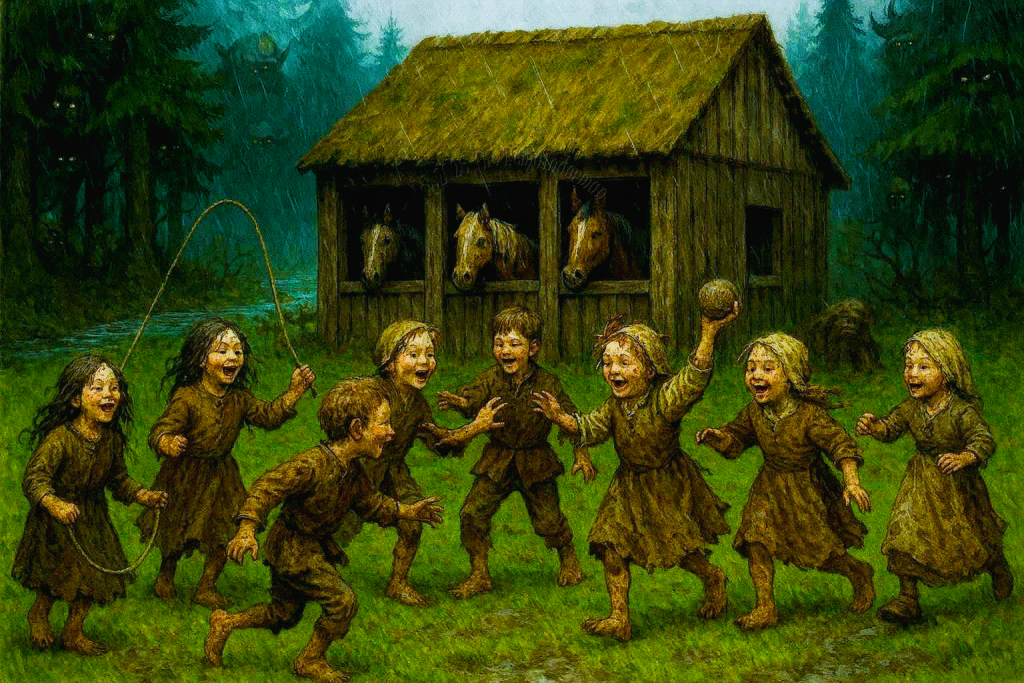
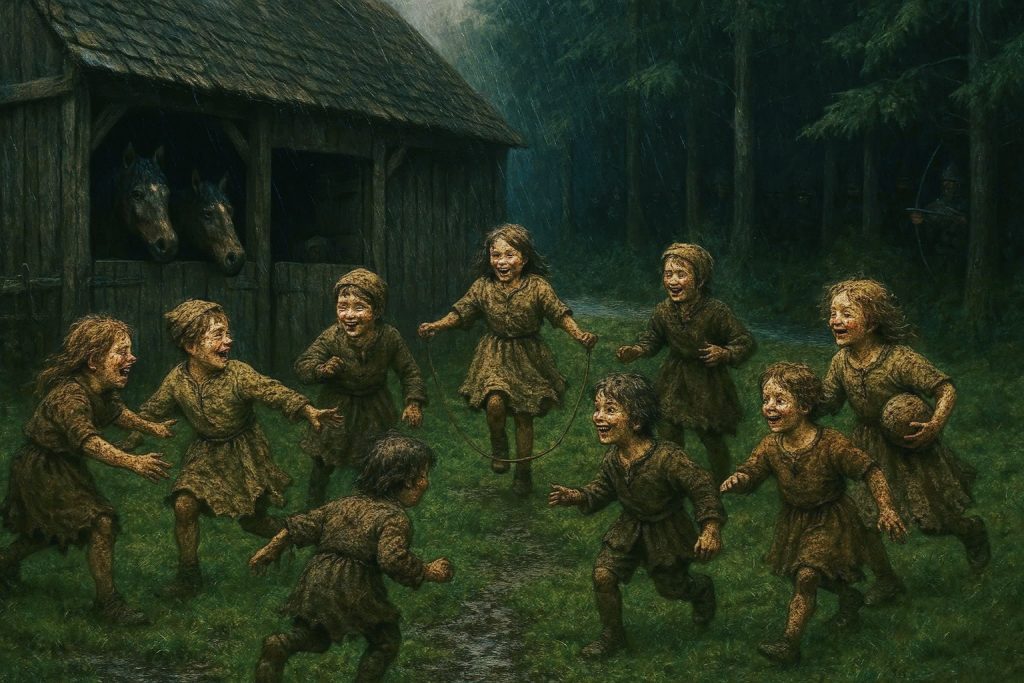
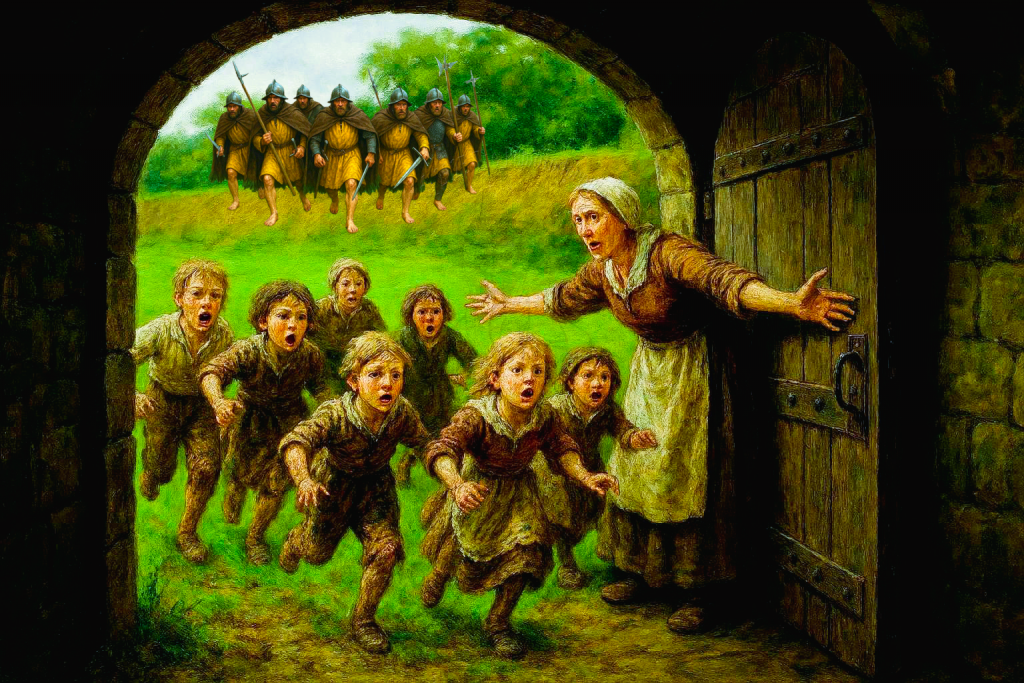
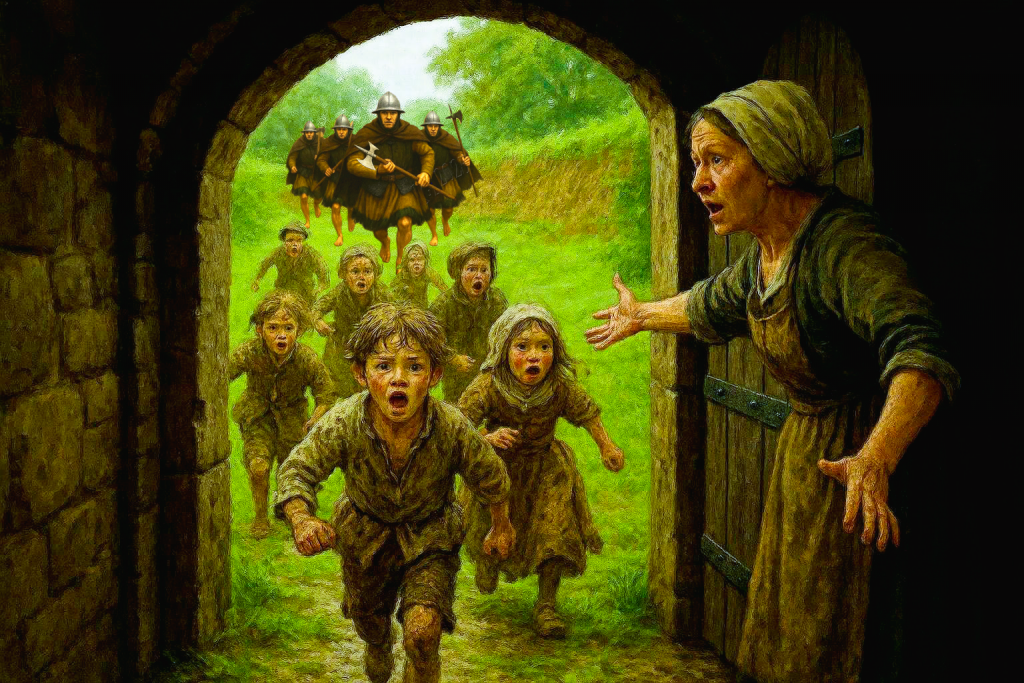
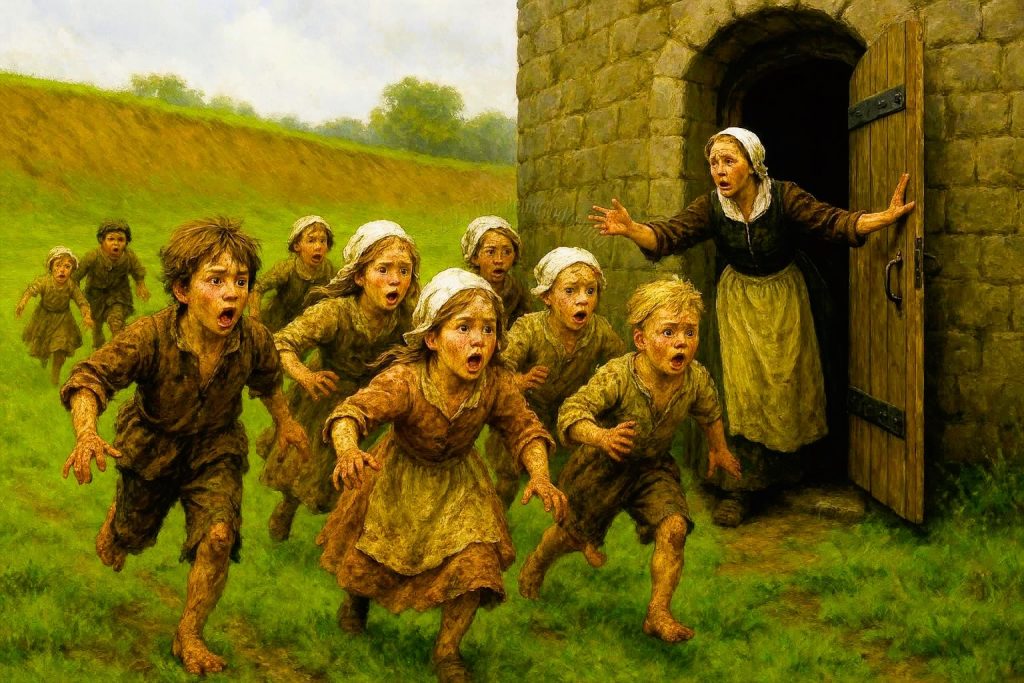
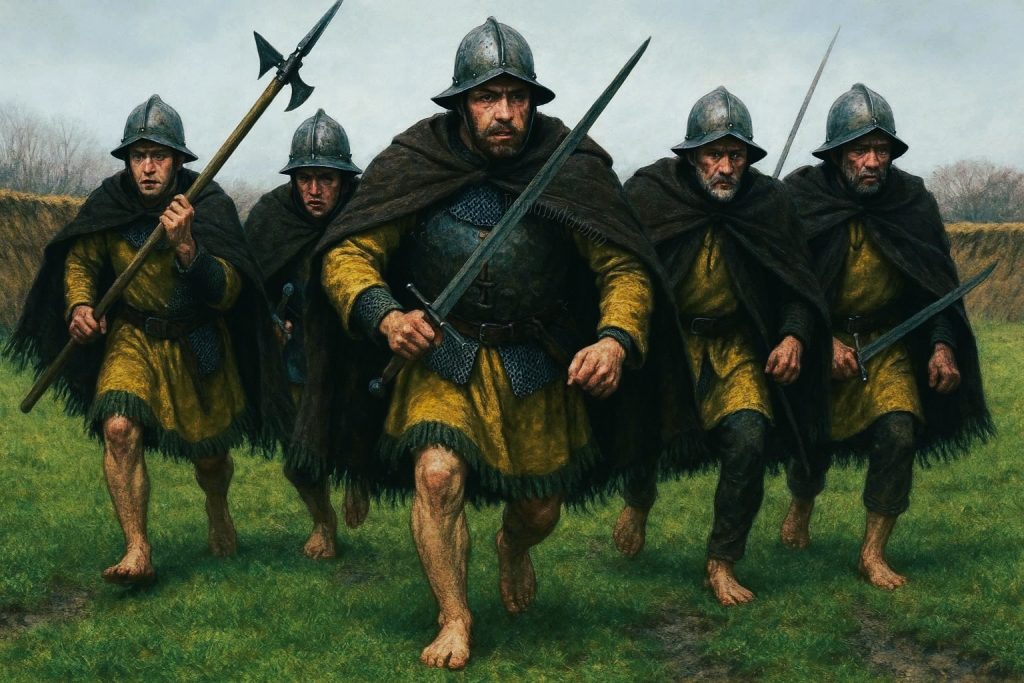
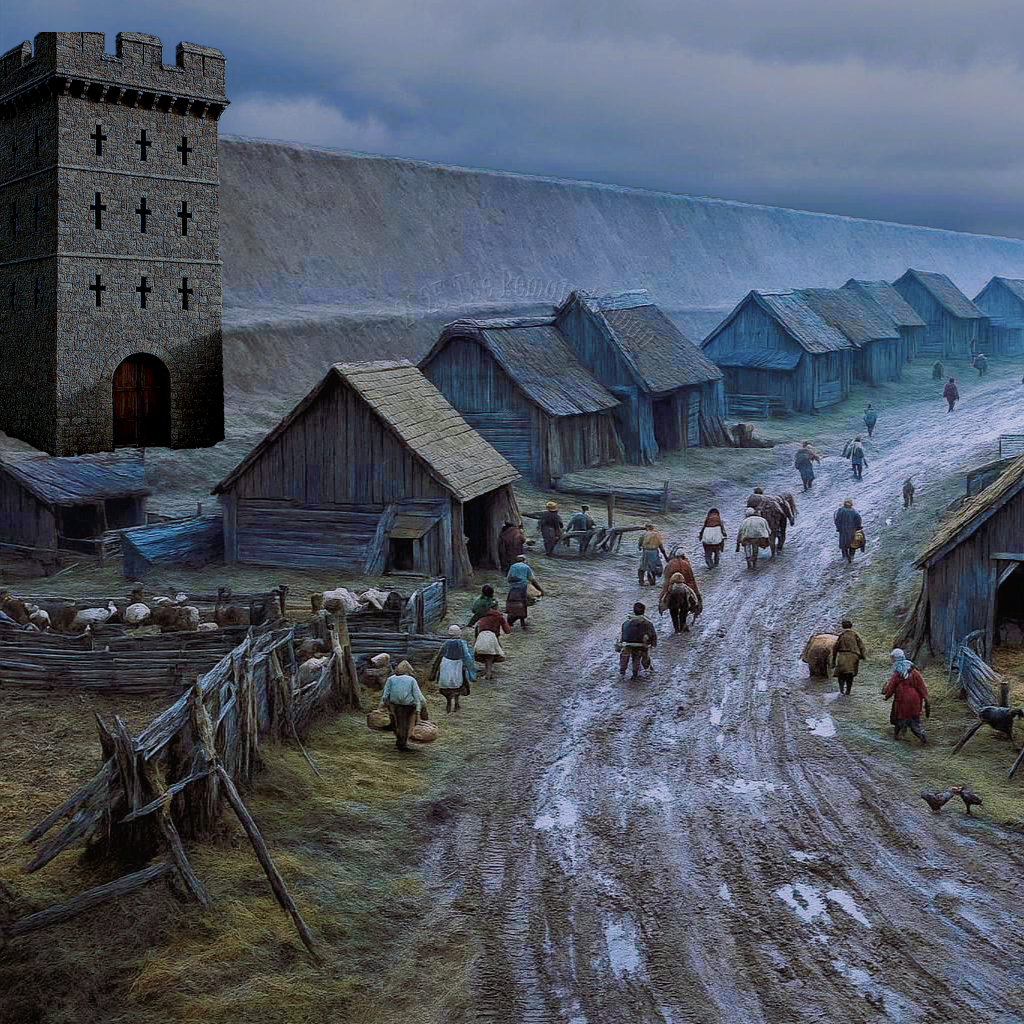
4870 08-1.5 Two Irish Letters—Top o’ the mornin’! from the O’Byrnes4871 08-1.5 Sunny meadow, shadowy forest4872 08-1.5 English fields, Irish woods4873 08-1.5 Sentry’s strident alarm (original)4874 08-1.5 NATIVES! Run for your lives!!! (original)4875 08-1.5 Sentry’s warning–ALT (accurate tower roof) (original)4876 08-1.5 Four seconds from slavery4877 08-1.5 They won’t all make it!4878 08-1.5 Weekly emergency training drill4879 08-1.5–Freedom-fighters. And slavers
CAUTION: Contains themes of war kidnapping and bigotry some readers may find disturbing.
No one had told the children about the Irish letters.
They knew something had happened—of course they did. Even the children knew cattle had begun disappearing again, and that this was a sign the Irish were getting restless. Or hungry.
Two weeks earlier, everyone’s breakfast had been interrupted by the sentry, sounding shocked and uncertain at first, then louder and more insistent once he was certain about what the slowly-thinning curtain of the morning twilight was revealing to him. But he didn’t ring the alarm signaling imminent threat, natives spotted. Instead, he went on about the two soldiers who had gone missing on the road a couple of days before, saying they were just outside.
Men had rushed to the roof of Shanganagh Castle at his cries, then come down more slowly, gathered more of their number, and headed outside.
The women and children had been kept inside, on the ground floor where there were no arrow slits to see outside, only the door facing Dublin, away from Ireland, reducing them to speculation. All the men who had gone outside went armed, as best they could be: from the Baron and Char’s older brothers in their fine, well-fitting armor with sharp longswords (no one’s armor was new for long at the frontier; but quality showed even—perhaps especially—in heavily-used equipment), and their similarly-attired knights; to their squires and the militiamen—freedmen of means with their miscellany of polearms, protective shirts, and preferably helmets of metal or at least boiled leather. The Baron even had an arquebus, for three years now, but it remained more of a bragging point than an effective component of his arsenal. He waffled back and forth between considering it a dishonorable weapon, and an impractical one.
The Baron himself had taken charge outside, handling whatever the “letters” were. After one of the soldiers reported breathlessly to Young Roland “They didn’t take the animals!” Char’s brother gloated, either hopefully or encouragingly (depending on how sincerely you took him), that they hadn’t dared get so close to the Castle. He sent men with farm tools, guarded by two of the armed freedmen, to milk the cattle in the barn, which was literally 20 or 30 feet behind the entrance to the castle. The older children were more or less able to put it all together; the younger ones were left with their anxiety and confusion even after the Baron announced it was safe for everybody to get back to work.
A few days later, reports reached the castle of a desperate family near Dundrum that had put new lands to the plow just the other side of the barrier, and suffered the same fate as the two soldiers: left strung up from a tree practically beneath the ramparts of Dundrum Castle, stripped of everything except the ropes around their necks and wrists, tragic and involuntary messengers and messages all at once.
All the Barons’ castellans stepped up their patrols. Merchants and mendicants avoided traveling—even more than they usually did, in these parts. Farmers who could, sent or brought their families into the crowded castles at night for safety.
But life went on: It had to. Life on the Pale was lived too close to the edge of so many kinds of disaster; they had no choice. Farmers, herders, and the few craftsmen and traders who supported them had to keep caring for their animals, maintaining their tools, insulating their homes, and growing food. For most of them, playing it safe simply wasn’t an option. If they didn’t work every day to put food on their tables and clothes on their backs, they couldn’t survive—even without worrying about human threats.
The children didn’t know it; but this promising, fresh, cool morning was it: the closest any of them had ever been, to the ever-present danger of a cruel death or a crueler captivity.
The edge was where they lived, these children: right on it, as close to tragedy as any of their elders. Closer, because they hadn’t quite wrapped their head around the danger they lived in, and wouldn’t have been able to do much to protect themselves from it if they had. The women of the castle kept them closer than women kept children in most parts of the world, because they had to. Kept a closer eye on them, too. Even so, they couldn’t be vigilant every minute of every day; it just wasn’t human nature. Only the most-disciplined and -cautious among them were alert all the time, usually for reasons (most of the children who survived to adulthood would realize at some point when they were experienced and wise enough) that had less to do with their current circumstances than some terrible past circumstance they would never really be able to get past.
Danger and death were there. Everywhere, just around the corner, just out of sight: hiding in the trench of the Pale, concealed down in the river bottoms, behind the rolling hills of the frontier; and most of all, invisible in the woods and bogs that dotted their borderland.
They were playing “king of the hill” right after breakfast, all the children from the castle. And of course, they were playing it on top of the Earthen dam itself: the defining characteristic of their homeland, and as they understood to different degrees according to their ages and faculties, the raison d’être of their entire community. Of course they had chosen it. Its walls were the tallest and steepest slope they could climb up or tumble down without serious injury; and there was the added advantage, even if none of them was thinking about it in the moment, of putting them within a dozen yards of Castle Shanganagh, meaning the sentry on the roof could keep an eye on them, even if his attention was supposed to be focused further away, near the horizons, scanning them for any sign of hostiles.
It had been two weeks since the Irish letters were left for Shanganagh. The Baron had taken a plurality of the soldiers from Shanganagh, Dundrum, and the other Northern castles down towards Bray, where the O’Byrnes had erupted from their mountain strongholds three days ago to rain chaos down on the English settlers.
So early in the morning, half the castle women were still slow with morning grogginess, all of them huddling near the fireplace in the great hall telling themselves they’d just wait to finish their cold cuts and bread before checking on the children, whose voices they could even hear from time to time through the open castle door. And they could tell themselves the sentry could see the children, and would warn them if anything serious happened. Even if they knew it wasn’t quite true.
The sentries were soldiers. Men. What did they know of children? Nothing. Some of them lacked the common sense God had given even unto the rodents who infested every human living place. Half of them seemed to lack the gene recognizing children as humans at all, let alone the portion best-deserving of care.
The little ones stayed away from Stephen, the castle’s current resident bully, because they knew he was careless and mean enough to hurt them for real by roughhousing with them as if they were five- or six-year-olds. Fortunately for all of them, they lived in a community small enough that children didn’t have or form separate societies of their own though Char would be—for a few blessed weeks afterwards might hurt them for real who would have been a bully in a who they knew would push them as roughly as they’d push the older children; but —until Ollie, as slow and deliberate as he always was, finally finished his food. Always the last to finish, and a good thing too because when Ollie played King of the Hill he always won and the other children couldn’t even dislodge him by ganging up on him
“Pale” came from pālus, a stake used to support a fence. So by extension, Brother Hugh had explained, reaching above and beyond his usual unimaginative and uninspired teaching with an example relevant and meaningful to them, managed to teach them a bit about geography during their Latin lesson. Ironically, their home was named after the comforting if ugly dam of dirt that honed to the castle like an arrow across the landscape around them, from Southeast and Northwest alike. Ironically, because as best any of the children could tell, there weren’t actually very many wooden stakes in it. A few, especially where topography squeezed in forcing the walls to be narrower or sloping terrain increased the risk of erosion. But the walls near Shanganagh, at least, were your basic big-pile-of-dirt. The Baron claimed the barrier stretched from around Bray in the South, in a wide arc inland to Kildare and the remotest reaches of Meath, and finally back to the Irish Sea at Louth. But since anyone could see from the roof of the castle, or a couple hours’ walk, that the earthworks on either side of Shanganagh petered out right about the edges of the richest fields worked by the Baron’s local tenants, only the children believed that story. The Baron didn’t even have enough men at Shanganagh to protect that short length of wall; let alone Shanganagh’s portion of the frontier between it and the next castle in each direction.
After Ollie shoved everybody off the hill, and a rather peremptory probing assault confirmed he was still the master of the game, the children at the bottom of the hill switched to tag and jump rope and playing with the old bladder they used as a kind of football.
The sky was as gray as always. Like a fancy noblewoman from Dublin who hid her own skin every day under a coat of lead that was supposed to beautify it, the thick clouds overhead concealed the intensely emerald island from heaven, too busy nurturing its beauty with water to let it be seen.
And thus, the shadows were long, and deep, especially down in the treeline by the stream.
Not a child noticed anything amiss; any more than the sentry himself. But they were there.
Trolls, elves, hobgoblins, dwarves, and all the other creatures of the woodlands were a constant worry, even without their parents weren’t warning them to be careful outside, even if their parents were pleading with them to stop bothering them with their groundless fears. But from time to time, when the games were away from the treeline and the threat the children were worried about was of Brother Hugh interrupting their games by calling them to their lessons, they forgot to pay any attention to the trees, however close and concealing they were.
It was the shouting of the adults that first caught the attention of the children. And if they attributed the calling to normal business in its first few seconds, that didn’t last long. The strain and alarm in the voices, the number quickly joining the call, and even their locations were wrong: The first cry came from the doorway but the next—belatedly, oh so belatedly—from the parapet of the tower where the sentry stood guard.
“ROBERT!” One of Char’s companions’ mothers screamed. “RUN!”
And then it was several women pouring out the door of the castle, screaming and gesturing at their children to run. Run as fast as they could towards the door. And the sentry on top of the tower, imitating their gesture for half a second, then struggling to load and aim his crossbow.
A couple of the smaller children began to run. Their mothers’ and aunts’ and older sisters’ cries were enough for them: they heard them and heeded them without delay. But the older children delayed.
Not on purpose: by instinct. They frowned in confusion at their female relatives, then turned and looked around them trying to understand what they were worried about. Those who looked up, understood immediately what a drawn crossbow implied: raiders. And close. But somehow, for many of them, realizing there must be scary men threatening them only increased the necessity of setting their own eyes on the threat and quantifying it.
What they saw was a line of men, 6-8 or maybe even 10 in number, running toward them at breakneck speed. Their irregular armor, weapons, and helmets—comparable in their variety and quality to those of the English militiamen—marked them as soldiers.
Their bare feet and legs, saffron Léinte (chemises), and heavy fringed brats (cloaks as versatile as they were warm, the Irish counterpart of the great kilt and arisaidh) marked them as natives: wild Irish in their savage dress, which according to many of the English (who were, perhaps, unfamiliar with the continental, and even English, fashions of the previous century) defied any pretense of civilization.
Kerns: Irish light infantry. Raiders. Reivers.
Upon sight of them, even the most stubborn children screamed and ran, as fast as they could, most forgetting everything else, even their own younger siblings, at the sight of the Irish. If given an opportunity, they probably could have worked out the threat posed by the Irish, readily enough: death or enslavement, if they were caught; even if they couldn’t have explained the details implied by either of those fates. But who could, really? There were a few stories of Norman knights being captured and enslaved by the Irish, only to survive and escape; but not many. If ordinary English settlers had been captured and returned at all, not much was written about them; but it seemed clear captivity was not a fate to be relished, or even brushed off. They certainly, every one of them, grasped that the moment any one of the men’s hands fell on their shoulder or seized their arm, life as they knew it would be over.
The women screamed and urged them forwards with every sinew of their bodies and voices, as if they could physically will them forward or add speed to their flight. The children, once running, ran as fast and as desperately as their little legs could carry them. But their legs were much shorter than the kerns’ and the soldiers’ legs had been hardened by training, hunting, and campaigning; and they rapidly closed the gap on the children.
Sindonie, one of the more-sensible women at Shanganagh, and her mother Lady Parnell, began shoving other women back inside the castle, realizing that when the children reached them there was a risk of a traffic jam in the final few seconds they needed to be closing the door and throwing the bolt. The other women, still screaming at the children, darted their eyes back and forth between the children and the kern, gauging their speeds and distances, trying to know what would happen; trying to will the children to make their escape in time. Through the door, the children could see one calm Wrathdonian soldier kneeling calmly 2 or 3 feet inside the tower, resting his drawn sword over his knee to be ready-to-hand, and tipping his crossbow up so the bolt would stay in place without risking an accidental shot through the women and children. But most of the men would be heading for the roof or the arrowslits in the upper floors of the tower: Much better positions for defending the castle itself; and perhaps theoretically for defending the children except that by the time most of them could hope to be in play the childrens’ fate would already be determined.
So it came down to them, their scared female relatives, and the sentry on the roof who had given every indication so far of being incompetent, inexperienced, inattentive, or all three.
In fact, the sentry did get off a shot, just as Rash Henry reached the roof close enough to its rear parapet to see what was happening below: A shot that fell far short of the kerns he was trying to kill or delay, falling instead right in the middle of the children. More specifically, whistling into the dirt less than a foot in front of a well-dressed boy with long blonde hair Rash Henry recognized with shock as his younger brother.
It would be fair to say none of the Wrathdown children enjoyed the kind of friendship most parents might hope for among children. Indeed, Baron Wrathdown had done almost everything within his own personal capacity to ensure the children lived at one another’s throats, aware they were rivals in everything and that their father at least viewed them as such. Practically as replaceable, potentially-fungible commodities he was more interested in grooming and using as a pool of candidates for the top management positions in his Barony, rather than as individuals with personal meaning to him.
And none of Char’s older brothers had a good word to say about the youngest. Even before Sindonie had commenced her devastating work, they had viewed him as spoiled and coddled primarily because he was the youngest, and there hadn’t been a pile of younger siblings behind him to compare him with and demonstrate he was just another chip off the old block. After several months in Sindonie’s care, he was finding himself to be very, radically different from his siblings or his father, and not interested much that interested them.
But still—this was his brother; and even if Rash Henry didn’t like him, he felt the affront to his brother was equally and personally an affront to him, and to all of the Wrathdown name. His stream of profanity was lost on the children and women below, even Char, who were too wrapped up in their desperate circumstances to pay much attention to the roof anymore; but the sentry blanched at his threatening words and the violence with which he wrenched the man’s crossbow up and shoved the man back against the parapet, nearly making him lose his balance and fall over it to land on or among the women standing below.
Char’s consciousness flared with sudden awareness of the bolt plunging into the soil nearly literally under his feet but didn’t have time to dwell on it yet. Certainly, from its angle some part of the child must have recognized it hadn’t come from the Irish. And fortunately it didn’t trip him up or cause him to stumble; he washed over it like a wave, behind one child and ahead of another, running and yelling without thought for his dead mother, probably thinking at least in part of Sindonie.
For every foot the children covered, the kerns covered two or more; and a moment later they were among the children, snatching up two little boys and a little girl who were straggling, just as the first of the children raced through the castle door and Sindonie, beside the doorway, raised the Baron’s arquebus. A keening scream from inside the tower was presumably one of the mothers whose child had been seized, catching sight of their fate, but events were moving too quickly to process them let alone dwell on them.
The men pouring onto the roof above roared in dismay as they noticed kerns leading a cow and a horse out of the barn, focusing their attention on them and firing a scattered volley of a few arrows that failed to find any of the kerns; but mercifully weren’t anywhere near the fleeing children whose plight the soldiers were ignoring, distracted by a wisp of smoke from the barn’s thatched roof and the potential loss in livestock. They did frighten the horse, which bucked off the hand of the kern trying to mount it, and—with a minor but apparently painful scrape on the rump—stampede the cow, who was later found eating grass beside the Dublin road with a broken arrow stuck in her tail.
Ollie fled past his mother a moment later, looking worried but knowing better than to mess up the retreat by blocking the door; immediately followed by the mass of the children. A few moments after that Char and Edith, the last of the children not yet captured, who had been skipping rope away from the other children playing tag, trailed past after the others, clearing Sindonie’s line of fire just as the closest of the pursuers looked up at her, shouting as much in surprise as fear and instinctively turning away, crashing into the second pursuer and slowing all of them down just as Sindonie fired.
Whether she had scored blood or not, she never knew; it was the first time she’d fired an arquebus, and she considered it a victory that she’d managed to ignite the gunpowder. Doubtless, had the men given it any notice, they would have compared her level head favorably with that of the sentry who had nearly shot the Baron’s own flesh in his haste.
In the seconds as the men checked themselves for injury and turned back towards the door, Sindonie fled through it, pulling it shut behind her and hearing the two heavy crossbars slam shut, thrown by two of the older women who had been waiting for the opportunity. Char practically jumped into Sindonie’s arms and Ollie hugged her fiercely, all three of them talking over one another as they expressed their overwhelming feelings of fear and relief to one another.
Around them, other women were hugging and holding their children fiercely; and a couple of the older women were physically holding the mother, or one of the mothers, of the lost children: at first to keep her from throwing the crossbeams off the door and hurling it open in a doomed effort to recover her child; then to keep her from falling over, as she suddenly seemed to lose her strength and sag towards the floor, wailing in horror.
The kneeling crossbowman rose to his feet and helpfully took the arquebus from Sindonie before she could drop it; then looked up toward the top of the stairs, looking or listening for something that apparently persuaded him not to follow the other soldiers up to the parapet.
Instead, he returned to the door and cautiously peered through a slight gap where a knot had deformed a piece of wood just enough for light to show between the two boards. Apparently whatever he had seen, or not seen, reassured him because he shouted towards the top of the stairs: “Is it clear?” And when he received no response, he repeated even more loudly: “IS IT CLEAR YET?! Is it cl—”
At that moment four soldiers clattered back down the stairs having come, presumably, from the roof; their leader crying: “Wait for us! It should be clear but wait for us! Men!” and here everyone recognized he was talking to the older and poorer men, unarmed or holding hoes or scythes or other farm implements. “Follow us! Grab the buckets in case the barn is burning!”
Everyone in the main room reacted to that; fire may have topped the long, long list of things the Englishmen of the Pale feared: Irish, Baron Wrathdown, famine, flood, pestilence, plague, flux, scurvy, pox—fire. Fortunately, it was wet outside, the castle was stone, and there’d been plenty of rain. But still, the barn was close by the castle; and the four upper stories had wood floors, wood furniture, and wood internal walls; supported by wood beams and columns. There was plenty to burn inside the castle, basically everything except the fireplace and the wooden shell of the building around them, which would look more and more like a flue as the wood burned or fell down inside it. If the fire got inside the building before they got out, their lives would be in mortal peril.
Rash Henry would explain to all who listened in the coming days, how he and the men under his command had stoutly defended the barn, driven off the kern (who indeed, hadn’t taken or damaged any of the livestock), and “saved” the barn by stomping with their boots on sparks and smolders in the wet, fouled hay in a corner where the kerns had dropped a torch.
But that wasn’t what most of the people at the castle would remember about that day. Two fathers and one mother (Sir Edmund, the father of the two lost girls, was a widower) had lost children; and while they were especially devastated by the losses, everyone felt them. There weren’t that many English families on the Pale; and with the exception of those desperate people drawn to this harsh world by the economic opportunities warfare and chaos offered, they tended to be families that had been living on the edge and battling the Irish for generations. Families on the Pale were like a hedge of briar bushes, prickly and entertwined with one another, even their stalks sometimes grafted onto one another’s roots; and virtually everyone at Sanganagh Castle was related to the missing children in some way, as a distant cousin or recent in-law at the least.
All of them who had heard the children’s screams as they were seized, would remember the sound the rest of their lives; many of those would hear it echoed in terrible dreams over and over and over again. The mother who had watched her son’s face, seen his hands reaching out desperately for his mother as he was taken away from her, would never even be close to the same again. And Sir Edmund… would be forever changed as well.
Some said they’d been under-defended, or that the Irish had successfully baited most of the castle’s defenders away, leaving them vulnerable. But nobody thought it wise to share opinions too openly, that could be interpreted as criticisms of their leaders.
4613 08-05 The Second Defilement of the Scáthach4614 08-05 The Second Defilement of the Scáthach4615 08-05 The Second Defilement of the Scáthach
CAUTION: Contains themes of rough bondage, graphic nudity, and medical procedures some readers may find disturbing.
Unabridged versions of images containing rough bondage, graphic nudity, and medical themes at 08-5X The Defiled Confinement of the Scáthach at Patreon.com/TheRemainderman
A dark, moonless night. As it must be.
In a dark, trackless forest. A forest greener by day and more alive by night than any English forest. Any civilized forest.
And deep, deep within it, a dark old cabin.
Inside that, something even darker; deeds and portents like to draw away what little light and breath otherwise might have been drawn here.
And in a rough old wooden bed, a woman lying on her back, bound and in agony.
Her arms and legs were lashed to a rusty old iron bar above her head; a bar she gripped hard and tightly enough to make her fingers turn white and her arm muscles shudder with exhaustion. A bar that raised and spread her ankles, trapped by heavy black stirrups tied to the same iron bar, in a position far too high and wide for any humane comfort.
Her skin was wet with blood, from 187 shallow cuts into her flesh marking out bloody blasphemous profanities. Everywhere: her stomach, her breasts, her back, her shoulders, her arms, her hips, her buttocks, her legs, her hands, her feet, her neck and head.
She was screaming.
Screaming and thrashing, her muscles animated with more force than direction, kicking and flailing and writhing for the sake of moving and exerting themselves rather than in an effort to reach anything or accomplish any movement through space.
As if a normal childbirth, attended by sympathetic or at least professional assistants focused on your and your baby’s well-being, weren’t difficult enough for a woman: Try pouring on magic, coercion, and what surely no one would be surprised to learn was a she-woman’s sizeable serving of hell, as oil sprayed on a fire, and it would describe something approaching the torture this mother was suffering in this hopeless, embarrassed place.
The only light came from the spell and its components: The glowing magic circle on the floor around the bed; the ripples in time and space created by magic that manifested to most humans as hallucinogenic sparks, swirls, and even symbols of light. Ripples that by their nature, gave the impression of bursting forth from the slowly-opening vagina of the wretched female in the bed, its beams growing brighter and wider as her sex dilated and dilated and dilated to the proportions of her stuffed womb in her huge pregnant belly: to proportions even the sickest artist or criminal couldn’t have imagined without the example of nature, distending into something like the maw of a sea monster, further poisoned by the blood flowing there, that had nothing to do with any marks or spells except those of cruel nature. Blood: a sure sign of injury, a literal red alarm warning the primal human mind of danger and the need to push a body to its limits for the chance of survival, a clanging klaxon remorselessly demanding one’s highest attention to the cause, the supreme mission, of making the flow of blood STOP.
But here it was ignored, accepted, taken for granted.
Here, the horror was only beginning as her pudenda kept distending, to an extent her jaded old husband—for all his vile fantasies and desires—had never dreamed about, and he would just as soon never have seen. Even the hardened old crone beside him, an ingot of steel compared to the hardest heart; and the demon-king himself, a shimmering vision teasing and mesmerizing the eyes into imagining him shifting back and forth between his human and dragon forms, looked disconcerted by the drama unfolding so appallingly on the bed before them.
She was thrashing and kicking like one being disemboweled or impaled.
Thrashing and kicking and—screaming.
Last and fifth present was the mage: herself a demon, a demon even other ugly, unnatural demons considered ugly and unnatural. She wore red hide more than skin; a face more like a serpent or a pig than a human; and a body more masculine than feminine. Her hands and mouth worked continually, her entire body swaying as she drove the spells swirling and penetrating the woman on the bed and the things inside her. The mage’s voice rose, and with it, even her hands seemed to stretch higher and higher, wider and wider. But her cries were never as loud as the woman’s screams. And her hands were never separated as wide as the huge hole dilating open in the middle of her spastic subject.
When it came, it tore her apart: ripping her flesh with such violence the child shot out on a residual, sudden flush of blood and amniotic fluid like the demon’s own backbirth. The demon-god beamed and applauded, all happy with what he had received, caring nothing for the woman, who was just a vessel as far as he was concerned; and little enough for the feelings of the baby, because gods did not have feelings the way humans did.
The vile husband looked down with an expression simultaneously horrified and aroused, and the crone’s eyes remained fixed with the same predatory expression they always held: alert, attentive, never resting, always looking, always assessing and evaluating.
The complete disintegration of the woman in the bed, further and gruesomely decorated with an explosion of blood, registered like anything else on the crone’s hard eyes, simple data points. Emotionally, they seemed to mean nothing to her. Even the Mage, who one might have expected to be hardened by a lifetime of magic, had to struggle to stay focused on chanting her spell properly; and her eyes glazed over as she deliberately unfocused from the physical trauma around her, sending her consciousness deeply into the process before her, to hide in the logic and deadlines of it all, where the horror could not quite find her, only haunt her with the knowledge it was actively stalking her.
The demon flew upwards, sprays of blood arcing from its wings as they began to flap and its throat to scream, a piercing sound that put off the husband and the crone; and almost buckled the mage in mid-chant.
As the demon disappeared in a flash (either its own, or that of the demon-king departing with it,) darkness mercifully descended on the room around them, concealing the horror in the bed, death and life all left behind in a muddle. The woman—dead. She was, she must be, dead. Her body had been torn asunder.
But her child shrieked, announcing its arrival as a strong and healthy baby which the mage tried to signal with her eyes to the couple across from them, ought to be picked up and swaddled. Immediately. The mage could not do it because her more-important job, the one on which all of the lives in the room or departed from it depended upon, still called upon almost every one of her faculties, definitely including her hands and arms as they continued to weave and stitch, a dance in the air healing space and time themselves, returning them to their natural, or at least their stable, states. Apologizing to them, to their spirits, for having disturbed them so badly in the first place. Protecting and nourishing the child left behind. Treating both its umbilicals, the one to its mother and the other to its demon.
Certainly, she could not be healing the dead. Repairing them? Resurrecting them? Or restoring them to a state she had once occupied but plainly, categorically, rejected and left behind? The mage wasn’t even sure there was a name, for what she was trying to do. Or undo.
Hauling the mother back from the dark sea, with the half-foot hook—more of a claw—required for the largest and wildest sea creatures who were ever captured instead of capsizing or destroying the ships that tried to constrain them, was a process every bit as brutal as the murderous demon-child that had banished her from this plane in its monstrous coming-forth. The husband and crone looked doubtful that bringing the woman back was even worth it, if indeed it proved possible at all. Had it been up to them? None of them would find out what would have happened then. Because the mage had given her word—reluctantly, under the strong protest of her feudal lady, but given it nonetheless—and she was determined to do everything in her power to prove it.
That was quite what was required, every ounce of her energy, every jot of her power, and every wit in her head, to try and deliver all that she had promised. Her resources and efforts were the only things that could have had any hope of bringing the woman back and putting her back together again, a responsibility the mage took seriously.
But hope was different from certainty: Something came back, to be sure. Presumably (hopefully?) someone. But inevitably, the soul that came back brought back such scars, inflicted on it by the event of its banishment, that it could hardly be recognized as the same soul that had once inhabited here.
Wounded soul or hellspawn? Veeerrry difficult to know. Because, on the one hand, such a soul would be so injured, and (in the case of a soul like hers) colored and perhaps twisted with so much forbidden knowledge she would understand the threat posed by the deep suspicions of the powerful druí before her, and who would be determined to persuade them by any means necessary that she was who they wanted her to be. Or, at least, who the Mage wanted her to be. And on the other hand, such a demon, from such a depth of hell as the mage had called upon tonight, would be so cunning and eager to deceive one would scarcely be able to tell it apart from the soul it had gobbled up in hell and sought to pass itself off as, here.
It may have been vanity alone that ever persuaded a human she or he could tell whether a soul had been rescued from hell, replaced with hell’s creature from it, or reduced and twisted by it, in the uncertain time it had been away from its body. Time in hell moved so differently than on Earth, living mages had no way to even estimate how much time had passed for a soul in another dimension unless the soul told them and they believed it. And as if that weren’t enough, certain demons were known to have ways through time and space no human could follow, let alone measure.
But in the end, it can be said, there were five of them left in that room; just not which five they happened to be. The husband and crone appeared as cold and unmoved emotionally as ever, but moving with their bodies to light candles in the room once the things that could not bear light were gone, and then eating their dinners without lifting a finger to help the rest of them. The babe, as it appeared to be, was cleaned, swaddled, and placed in the mother’s arms by the Mage as soon as she could do so. The mother, or whatever might be animating her arms, lay appearing to comfort the child. And the Mage, simultaneously comforting the woman to help her return as close to intact as she might; and evaluating every action, word, and expression from the mother’s reassembled Frankenstein body looking for any hint of deceit.
UNABRIDGED VERSIONS OF IMAGES AVAILABLE AT patreon.com/TheRemainderman
4599A 08-04 Lucky Martin at Charite Hous4599B 08-04 Luckless Martin at Charite Hous4600 08-04 Clemence at Charite Hous4601 08-04 Cutter Henry at Charite Hous4602 08-04 Joeboy at Charite Hous4603 08-04 Grand Gwenllian at Charite Hous4612 08-04 Fulke’s detour to his apprenticeship4613 08-04 Big Ed at Charite Hous4604 08-04 Roger & Rose Aubergne at Charite Hous4605A 08-04 Roger & Rose Aubergne at Black Dog [best pose]4605B 08-04 Roger & Rose Aubergne at Black Dog [more accurate]4606 08-04 Roger & Rose Aubergne at Inquisition lineup4607 08-04 Roger & Rose Aubergne—Double Trouble4608 08-04 Guess today’s lesson, boys!4611 08-04 Untitled4609 08-04 The Crying Game [colon] Augustinians vs Carmelites 4610 08-04 Nuns inspiring boys to pray
CAUTION: Contains themes of institutional abuse and bullying some readers may find disturbing.
If this account is suspended, go to theremainderman.com or search for a new DA account with “Remainderman” in the title.
PREVIOUSLY: Two traumatized boys of 5 or 6 residing on the militarized Southern border of the Pale, Char and Pen, accompanied by Char’s governess Sindonie and her son Ollie, have just been given into the care of Sister/“Mother” Phillipa and the Augustinian nuns who operate Charitey Hous, the only orphanage in the Pale. With the not-quite tacit support of Sindonie (who also made an effort to appease Mother Phillipa’s wrath), the three newcomers defended themselves in an epic brawl that erupted soon after bedtime. Now everyone must face the consequences. NOW:
The atmosphere at Charite House was quiet and strained in the morning. Fighting was not unknown among the rough orphans there, not by any means; nor was the level of violence exhibited the previous evening. Indeed and fortunately, no one had required bandaging or setting. But the high social status of the three new boys and their governess, which instantly distinguished them from everybody else at the orphanage, or even in the neighborhood immediately around it, was a big part of it. Everybody knew—everywhere, but especially in Dublin—that commoners didn’t mingle with gentle people, let alone try to lock them in cupboards! The openness of it—erupting right in the middle of the orphanage, with virtually all of the children and their night wardens witnessing it—and the scale of it, pitting most of the older boys against three brand-new arrivals, were also, if lesser, distinctions.
Overall, there had been something notorious and shocking about it: The boys had crossed some kind of line by fighting; a line perhaps they weren’t even supposed to cross for friendship. A line the gentle children’s very presence here challenged. And before anybody at the orphanage, adult or child, had had much chance to get used to… however they were all supposed to get along together, the boys had transgressed whatever that line was or could have been with pranks that had escalated to brawling.
If the children could not fully conceptualize the problem, even the adults hadn’t had a chance to figure out how the newcomers should interact with the household before the children (subversively facilitated by Sindonie) had transgressed all possible boundaries. The fact nobody could tell what taboos had been violated, or how egregious they might have been, before they were smeared and blurred and broken by the transgression, just made it worse. If there could have been any doubt of what a violation the fight had been, the reactions of Mother Phillipa and the night wardens had confirmed it. The fact Mother Phillipa had reflected overnight on the boys’ punishment was generally viewed as particularly terrifying and solemnizing. The children knew Mother Phillipa didn’t punish children in anger—a near-revolutionary notion, but one that most of them viewed with the greatest respect and gratitude. But they couldn’t have known how much more complicated the older boys had made her problems.
Catching Sindonie in the hall, after the volunteers had arrived and gotten the process begun of feeding the children and readying them for class, Mother Phillipa took her arm—not hurtfully, but assertively enough to communicate that she had something to say and was going to say it, right then and there—and pulled her aside, leaning close enough so they wouldn’t be overheard.
“What?” Sindonie smirked, not entirely unhappily. She didn’t like being interfered with, but she did like Mother Phillipa, and understood her position required her to engage in some degree of interference. Before Sindonie had time to formulate any further reaction or plan, Phillipa spoke emphatically and seriously, impressing on Sindonie that this was a much bigger deal to Phillipa than to Sindonie: “I have prayed to God to help us more than He already does. To help these, his, children. I don’t know if you and your wards were sent to help us, but I fervently hope so.” Sindonie’s features softened with empathy for the sincere nun as she listened. It was hard not to be sympathetic to a woman who had so earnestly devoted herself to children, and seemed to heartfelt hopes of her own, rather than resentments, towards the privileged quartet that had been placed in the midst of her orphanage. “But I want you to stay, and if we can, I want us to try to make your children, and mine, better off with one another.” Sindonie nodded her agreement at that aspiration.
Mother Phillipa rolled her eyes, thinking and delaying at the same time, before she pressed ahead: “I liked you from the moment I met you. Certainly from the moment Brother Paul told me you were here to help, with at least the three new boys,” she admitted with a twinkle in her eyes, that faded into earnestness before she continued: “I don’t know what was in your heart last night. Or your head! If anything. Heaven knows, I’m trying to understand your three children and their place here, as fast as I can, and nothing is obvious about it. What?”
Sindonie had an odd look on her face. “My three boys. I would have said I had one boy. Even little Char—”
“He wasn’t your responsibility? I thought you were his governess?”
Sindonie now looked downright troubled. “I suppose I became that, these past few months. It was a role that… evolved. Oliver had just begun his apprenticeship, and I—my sister—our father was determined to make a match with Baron Wrathdown.” And sent us all there like a Byzantine beauty contest, to see what caught his fancy, she reflected bitterly. Her mother’s utter ruthlessness in, and focus on, building her husband’s domain and lineage were one of the reasons her parents got on so well.
“They saw how good you are with the children,” Mother Phillipa nodded.
“No!” SIndonie laughed, almost embarrassed. Try: Her mother had used her, at best, as an early lure. A sacrifice, a part of her—not quite her point of consciousness, but a part she knew to be trustworthy—corrected sourly. And: Nothing new there. Baron Skremen would have accepted a match with her, but certainly preferred it with his own blood. But as a used-up old widow of 25, she had been at best a long shot and at the most-cynically, a pawn ordered to do whatever it took to keep Baron Wrathdown engaged with them while Lady Parnell worked on him and could impress upon him the fertility and prestige of her brood. But all she said was: “Not that. As he was courting my sister, and as an experienced mother, caring for Char sort-of… devolved on me.”
“Well, you are,” Mother Phillipa insisted, her arm resting on Sindonie’s.
“What?” she asked, startled by the notion.
“You definitely don’t understand how to manage a group of children yet,” Mother Phillipa snickered, trying not to look as exasperated or amused as she was reflecting on the scene she had found last night, with Sindonie standing like a dazed cow watching while dozens of children lurched towards disorder around her. The image that had willed itself on Mother Phillipa was that of the Emperor Nero, fiddling while Rome burned down around him. “But I can see how the little lord regards you. And you he.”
Then he’s as much a fool as you, she thought guiltily. Uncomfortably. Very uncomfortably. What was Phillipa talking about? And she had no idea how cold and ruthless Lady Parnell was. Her instructions had been to undermine the boy with his father. Obviously, she wanted to protect and care for children. It was a woman’s nature—well, not Lady Parnell’s; but most women’s—to love and to cherish children. Of course asking a right woman, a feminine woman, to undermine the bond between a father and child, as all of them had been instructed to help persuade the Baron he needed more children, by a bloodline as robust as the Skremens’, was unnatural and painful. That was an essential part of the sacrifice demanded (not asked, for Lady Parnell had never asked anything other than as a form of grammar) of her.
When she reflected upon it, she could see she and the boy had bonded; but this was a recognition that had been forced upon her… she supposed, since yesterday. Not something she was ready for.
“And if you’re successful with your new boy—which I have every reason to believe you will be—” she offered encouragingly, seeing how troubled Sindonie looked, staring intently at ‘her’ three boys through the door of the breakfast room “The two of you will soon be close. Not as close as a true mother and child, but—for him—the closest connection he has in the world. Because he needs that, he will find it, with you.” Then Mother Phillipa giggled. “Goodness you look terrified!”
“What?” Sindonie asked, looking at her with surprised, feeling embarrassment at the idea.
“Don’t you feel it?” She reached up and put the back of her knuckles to Sindonie’s face, laughing. “Your cheeks are warm. Or scandalized.”
“I don’t know…” Sindonie protested, shaking her head and doubting Mother Phillipa’’s predictions, even if she lacked the confidence in her own judgment in this area to completely reject them.
“You’ll see. Reinforced because all of you—all of us—know you don’t belong here. They’d be a closer match to the Archbishop’s Palace than this house.”
“None of us is that kind of aristocracy,” Sindonie shook her head dismissively in a quick whisper. “But I admit, that thought may have crossed my mind, too. And I probably wish it had crossed the Archbishop’s mind, more strongly than even you do.” Still, she wouldn’t have dreamed of giving Baron Wrathdown the satisfaction of pleading for the Archbishop to consider it. Enticing him, might be a different matter; but not pleading. If she’d had more time, more than a few hours, an introduction under different circumstances than as the scarlet woman of Shanganagh and then in a crowded coach with a grieving child next to her, a brother next to the Archbishop, and three more people on the roof above them.
“And I’m a closer match to these children,” Mother Phillipa admitted without rancor, a simple statement of fact. “But maybe God has brought us together to accomplish a miracle. I’m not going to judge you, and I’m certainly not going to try and discipline you. I don’t even know who the Archbishop would support if I tried.” Sindonie had a scandalous thought, and with someone she knew better, in safer context, she might have joked about it, almost even flirted. But she just bit her lip here, and listened. “You and your boys will be attending Brother Griffin at Holy Trinity Within this morning?”
“Six days a week.”
Phillipa nodded, considering that. “And returning to us at noon?”
“Or close to.”
“And you plan to conduct lessons for your boys, while we continue to conduct lessons for ours?”
Sindonie shrugged, uncertain where Phillipa was going with this. “I’m not quite sure what the Archbishop has in mind. To tell you the truth, when I pressed him on the ride from Shanganagh, he… seemed to think you and I would be in the best position to iron out the details once we’d arrived.” Mother Phillipa didn’t look shocked by that. In fact, she gave SIndonie a knowing look, raising an eyebrow and curling her lip in a way that communicated amusement and disapproval at the same time. Smirking back at her, Sindonie elaborated: “He spoke as though you and your sisters didn’t teach the curriculum expected for noble and gentle children. But of course, he also thought they should have their own room…” both women giggled at that, preposterous under the mean circumstances of the orphanage. “… without making provision for it.”
And Sindonie might have pursued more aggressively, the possibility of being accommodated separately by the Archbishop in his liberty of San Sepulcher if Brother Paul hadn’t apologized to her early in their carriage ride that the orphanage was on palatinate land under civil jurisdiction of the Corpo, rather than on cross land under the jurisdiction of the church.
“So,” she continued, “I think it’s fair to say, he’s more concerned than the Baron seems to be, about whether the boys are treated as they’re accustomed.” Her face hardened. “But these boys were raised on the Pale. They understand every boy needs to be able to hold his own as best he can. And we all understand why the boys were sent here.” Sindonie felt her face heat a little, wondering if the nun wasn’t asking herself why she had been sent here; but she was determined not to open the door to anything about that.
“I ask because,” Mother Phillipa explained, “For the sake of my house, every child in my care must be treated with the same hand, without favoritism. And when something—like this happens, they must all be disciplined alike, in proportion to their age and offense. We must decide, between the two of us, right this very moment, and before the children take the task away from us again: whether we want these children to be kept and treated separately, or kept and treated alike.”
“And we cannot possibly have it either way completely,” Sindonie exchanged a knowing look with Phillipa, who nodded. “Because we only have the single, six-room building, a single kitchen, and a single bedroom.”
“But the children need separate educations because they must be made ready for the very different paths before them,” Sindonie finished the thought.
“If they’re to live together, but study apart,” Phillipa began.
“Then they should be punished together.”
“And evenly.”
“But you and your staff should discipline the orphans.” And neither woman felt it necessary to voice that Sindonie discipline her young men. They were, after all, of a class only Sindonie was a member of. And it was the rare, unusual circumstance, and only with the clearest permission and authorization by noble adults, where an adult commoner would dare to discipline a noble child.
“Normally, for new children, I give them a quick introduction to the rules of the orphanage, so they know what to expect. Perhaps—perhaps I could share with them, and with you, the rules that govern the other children here; and you could explain to them—to us,” Mother Phillipa gestured toward the house generally “what they will be expected to do?” And after Sindonie nodded, she practically rushed into her next topic, as if it were particularly uncomfortable: “Your dress and manner with Brother Paul and with me—” Mother Phillipa began.
Sindonie raised a curious eyebrow. “Yes?”
“It’s just—we do have religious sisters here who may wear habits to show they are part of our community when they volunteer, but dresses when they return to their homes. I have only seen you in dresses. Am I correct you’re not a… religious sister, are you?”
Sindonie laughed sharply, then covered her mouth immediately, embarrassed. “I’m sorry sister—er, mother. Goodness no!”
Nodding, Mother Phillipa dropped the bombshell: “Thank you, sister.” By which she meant only, a fellow Christian woman. Looking and sounding a little bit relieved, she concluded: “Then if you are a problem for the church at all, you are the Archbishop’s problem.” Sindonie didn’t look happy about that statement, but it went without saying she had to be placed under the authority of an appropriate man. “By coincidence, or I suspect much grander design, he’s taking confession at noon Sunday at Christ Church Cathedral. You might want to ask him if he might appoint Brother Paul or another cleric would have the time to supervise you adequately.” And seeing Sindonie bristle, started apologizing nervously. “I just mean—I would want some guidance, and there are few enough men of noble rank in the Augustinians here in Dublin. The Archbishop, Brother Paul, and the Dean of St. Patrick are probably the only ones.”
But bristling was the weakest of Sindonie’s emotions at that moment, though Mother Phillipa could hardly have hoped to understand the younger woman’s thinking. (In fact, Sindonie and her mother would have done almost anything to prevent any of those around them from even guessing at what they might be.). But even as it was, Sindonie gasped and turned slightly pinkish, sounding scalded. “Confession? I—”
“It’s quite rare!” Mother Phillipa cautioned, lest this be something Sindonie would find disappointing.
“It’s been less than a year since my last confession—” Sindonie blustered. More precisely, a fib; suggesting her hesitance came from the fact she hardly had any business wasting the Archbishop’s time with her own situation. “I—”
“He usually starts after Sext. And with a pause for None, he continues until Vespers, seeing as many people as he can. The line is always quite long.” And leaning forward to squeeze Sindonie’s arm, she urged her: “Find someone to help guide you, especially at first.
The nuns and lay sisters arriving in the morning to help could tell something was wrong before the night matrons even had a private moment to fill them in. The orphanage was like a living thing, with a routine and pulse of its own the boys and their governess quickly came to appreciate. Morning was the second-busiest time; the busiest, when the largest number of women helped out, was evening. Night, when the children were supposed to stay in their sleeping-boxes, saw the smallest staff, sometimes as few as two women but usually three; and now, with Sindonie’s arrival, maybe one more. The children ate their two meals a day in shifts because there simply wasn’t enough space for them to eat at once. The children who already had day-placements left first thing in the morning to be fed by their masters; and bathed last in the evening; partly because their masters both were responsible for feeding them, and wanted the benefit of as much work as they could get out of them, but also because the daylight activities of Charite Hous would have been difficult enough to conduct with half the children; the staff needed to get as many of them as they could, physically out from underfoot, to accommodate the teaching and chores of the remaining children. of the way as Classes, chores, and other activities filled the kitchen, the classroom, the hallway, or even the empty floor spaces of the bedrooms—including the matrons’ rooms—or when the weather was bearable, the tiny privy yard out back the orphanage shared with the workhouse, the Cock and Bull pub, and the building the sisters referred to in hushed tones as the “kenells,” even though there weren’t any dogs in sight.
Like a pair of lungs, expanding and contracting in a hand-me-down bodice that may never have fit at all, but had quite definitely been outgrown now, the orphanage was an organic thing requiring more room at day than at night; and always straining at its boundaries. Simple physics by itself created pressure adding to the sisters’ own sense of mission, to find placements for children as soon as they could, anywhere that they could.
This morning, the three apprentices allowed to leave before breakfast had been scurried out early so they could inform the masters of the five boys being—Cutter Henry, Luckless Martin,
“They keep a lock on the back door and of course, we’re not allowed to answer either door.” Clemence—the girl who had complimented Char last night, and invited him to the girls’ room before the sisters squelched that idea—was explaining to the boys. A drying, wilting bouquet comprised of a dandelion, a She giggled. “Unless it’s the Pope, or maybe the Archbishop. You can only go outside with supervision. But if you can’t get an apprenticeship, you move across the courtyard to the workhouse,”, whispering the last and making it sound like a sentence to jail.
Clemence was kneeling on the bench right next to Char and half-covering him. Even if he’d been inclined to complain, which (being a sociable enough child, he wasn’t), there would have been little enough to complain of. The children were all piled on top of one another like cordwood in the orphanage, day and night, with few opportunities to be alone. Char was too young to have realized already, that boys from the half-deserted borderlands were probably going to feel claustrophobic sometimes in the crowded city. For now, it was still a novelty. And besides, like the rest of them, he had plenty of real problems to unsettle him. Noble or no, troubles were one of the great leveling facts in an orphanage. No one came here because they preferred it to a good life they might have enjoyed elsewhere. But whatever it was about the workhouse, Clemence seemed to have the impression it might be worse. She whispered: “Then you work for Sister Phillipa.”
Char blinked, but before he could ask, Pen beat him to it: “She runs the workhouse, too?”
Clemence frowned a little bit, like Pen’s question was a distraction or interference. She hadn’t had much interest in Pen last night, when he looked like a wild thing. Now that he was bathed and dressed exactly like the other boys in the orphanage who weren’t lucky enough to have serviceable hand-me-down clothes, he was wearing one of the simple gray robes the Augustinians made for charity. Hardly likely to provoke positive attention. Clemence answered to Char, who obviously wanted to know, too. “You mean Mother Phillipa. To us. Everyone—well, almost everyone—” she looked uncomfortable. “Calls her Mother Phillipa. The real Sister Phillipa runs Our Ladies’ Workhouse.”
“She’s a nun, too?”
“No. They call her a ‘religious sister,’ although—” she lowered her voice; and if she could have done so without making even herself uncomfortable, presumably she would have leaned even closer in to the boys to answer: “Elizabeth overheard some of the nuns saying she wasn’t very religious or sisterly.”
“That’s funny,” Pen opined.
“She’s not funny. She’s… the opposite. I don’t know what she is, exactly, but she dresses like a nun. Only… she still doesn’t look like a nun.”
“What does that mean?” Char asked, curiously, but Clemence just shrugged uncertainly.
“Nobody likes that place,” another girl, across the table from them, murmured.
“It’s on Preston’s Lane,” an older girl said sharply, emphasizing like that was an important fact. “Not the alley. It’s fine.”
“That’s not what I heard,” Clemence frowned.
“What do you and Elizabeth know?” The third girl, whose name, as they boys would later learn, was Blythe, demanded, rising from her place, apparently deciding she was done with breakfast. “Have you ever even been outside of the House?”
“No,” Clemence shook her head, as did the younger girl across the table. All of them reckoned the privy as part of the house.
“Calm down,” said
“Of course not. You’re babies. Both of you should keep your mouths shut instead of—spreading rumors—”
Suddenly Blythe swallowed nervously and stood up, setting her knife on her plate so she could pick up both her plate and her glass. Ducking her head, she scurried away, her meal incomplete.
The boys looked at one another. “What was that about?” Char asked.
“You don’t have to worry about it, do you?” she stroked Char’s hair. “You won’t have to apprentice anywhere. Anyway, they find placements for most of the boys.”
While Char and Clemence were talking, a boy who had been standing against the wall holding his plate with one hand and eating with his knife hand, spotted Blythe’s vacated seat and swooped toward it until he noticed the big, mean-looking girl with dark hair and pox scars already approaching it. At the mere sight of her, even before she gave him a dangerous look, the boy swallowed, intimidated, and backed up until he had returned to his place by the wall. It was she who took Blythe’s place, simultaneously glaring at and bumping Pen with her hip, squinching him up against the boy on his other side, who opened his mouth to complain, looked up, saw the girl, and decided to focus on his own breakfast. Char and Pen swallowed nervously, understanding what they had just seen. Char, across the table from Pen, was sitting between Ollie and Clemence. Pen was now squished so tightly on his side, he didn’t even have room to bring his elbow back to his side. Instead, he had to hold his knife arm awkwardly in front of him between bites.
The girl gave him a nasty smile as she leaned over with her knife and took Pen’s sweet from his plate, setting it beside her own, daring Pen to do anything about it, as she returned her attention to her fish. “You look uncomfortable,” she smirked. And when he didn’t say anything, she leaned against him, chewing right in his face, her head blocking him from his own food. “Are you?”
“Yes,” he admitted, startled.
“Good,” she laughed, turning back to her own plate. Both of them had heard giggling from the other children around them, and Pen shrank down a little bit more in his seat. “I’m thinking what your name should be. I want to come up with a good one!” she chortled.
“My name is Pen—”
“That’s probably going to be part of it,” she demurred. “It’s so stupid already, it’s going to take me awhile. But when I can think of anything stupider, I’ll let you know.”
“What do y—” she rounded on him quickly, putting him off guard again, and pushed her dirty forefinger against his lips. Pen could smell a bit of the sweet on her finger, along with something earthier and older.
“You’ll address me as Miss Rose. Say it.”
“Miss Rose,” he said without even pausing to consider it, and she laughed again, turning her attention across the table. Her eyes fell on Char’s knife, silver where hers—and everybody else’s, except Ollie’s—was brass or bronze or iron, and decorated with floral flourishes, where everyone else’s (except Ollie’s) was simply functional.
Everybody ate off small, square, simple tin plates, similar to one another but not quite matching in shapes and lack-of-decoration. Bread, greens, roots, fish, and even the porridge was made thick enough it could be served on the plates and eaten with fingers or knives. One of the neighborhood ladies—the secular volunteers—had said you could use the porridge as mortar. The glassware was the opposite: where the plates were similar, the glasses were a riotous collection of every shape, color, and description to be seen in Dublin, clearly donated or perhaps found on the streets or scavenged from the trash piles of Dublin. Any vessel would serve well enough; water seemed to be the only drink at the orphanage, except for the very youngest children who Clemence said might get a little cow’s or goat’s milk if they were particularly sickly. And every child had their own knife, usually dull and as close to what the King’s chefs might recognize as spoons or undersized spatulas, as they were to the knives used by the butchers on Skinner’s Row.
Char had made the mistake of asking about meat, feeling uncomfortable when he realized none of them had ever had meat. He wasn’t going to be stupid enough to ask about fruit, or cakes, or honey, or wine and ale. He set his jaw, determined to show Miss Sindonie—and his wicked father—that he could make do just fine without meat or fruit or ale or cakes or anything else his father and brothers thought he’d miss. He wouldn’t!
Her eyes bulged with astonishment and a moment later, envious desire bloomed in her face as she noticed something else different about Char’s and Ollie’s knives. She gasped: “You have a real edge on your knife!” And she rose up from her seat to reach across the table and take Char’s knife right out of his hand, throwing hers on his plate in its place.
Char stared at her in astonishment, at least doing better than Pen at resisting her by saying: “Hey! Give that back!” and trying to take hold of it again. She rapped the handle of his own knife, hard, against his knuckles, batting his hand away and sneering as Char withdrew and cradled his hand saying “Ow!”
The next instant, her sneer was knocked from its perch by surprise, as Ollie effortlessly plucked Char’s knife from her hand, set it in front of Char, picked up her knife from his plate, and tossed it back at her. By chance, when her knife struck her plate, it knocked loose a fleck of porridge that spun in an arc through the air, striking her forehead with absolutely no effect but surprise. By pure instinct, she pulled her head back as her eyes registered the flash of flying, moist grain, wiping it away in the next instant. She was staring at Ollie in shock; then her face turned a little bit pink as Ollie, with a quick smile, returned his attention to his own meal, observing: “That’s Char’s knife. Too good for the likes of you.”
None of them noticed Sindonie, watching Rose interact with “her” boys from across the room; going from sorrow over Pen’s collapse to dismay over Char’s, and pride at her son’s quick and instinctive action to protect his friend. But, heaven above, she would have her hands full keeping her boys safe here, let alone help them to thrive. The border was a hard place to grow up, but so was this place, the human garbage dump of the Pale; only mad and crippled children, who no human had the means or understanding to help, and a few children so broken by their brutal infancies they posed a real threat of death or serious physical harm to other children, were turned away from this place. Not to mention the fact everything about them marked them as outsiders. To these children, they may have been more exotic than the natives. And on top of all that, they were both naturally small and gentle children in what seemed to her to be a collection of the burliest and hardiest children she had ever seen. But she supposed these children had to be stronger than average, simply to survive their infancies, in their terrible world. Lucky to be from the Pale? What a notion. How on Earth was she going to do her job—the job of her heart, not her assignment—with them?
Staring blankly at Ollie, Rose’s mouth worked in astonishment and indignation, without any sounds coming out, until she suddenly rounded on Clemence and spat: “You’re just as stupid as Barmy Blythe, Clumsy Clemence!” She grabbed the much-younger girl’s hair and yanked mercilessly on it, eliciting two screeches from her, one when she felt the hairs trying to pop out of her skull, the second when her stomach hit the side of the table.
“I’m sorry, Miss Rose, I forgot!” she apologized profusely. “I’m sorry!”
“That’s not even what I mean, you driveller!” she insisted, letting go of the smaller girl as she noticed Mother Phillipa turning more in their direction as part of whatever she was doing. “Although you should give her the proper respect.” The Southern boys were completely confused. They were confident Rose was not suggesting Clemence ought to be treated with respect, but had no idea what she was suggesting. “I meant Sister Phillipa is always interested in boys who were as cute as your girlfriend there.” And she laughed at Char, giving him a venomous look.
“You’re mean!” Clemence cried in dismay, as true as it was ineffective.
“She’s going to want him the moment she sets eyes on him!”
“Why?” Clemence and Char asked simultaneously, both of them worried now.
Rose just laughed meanly. Again. And with a look askance at Ollie, seemed pleased he didn’t know what she was talking about, either. “You’re a child, Clemence,“ she said, putting as much cruelty into her words as she could. “Both of you are children! But you’ll find out soon enou—”
Her eye was drawn toward the door as something—a reaction—went rippling through the room, and the rest of them followed her gaze. A boy, larger and at least seeming older than the rest of them, had just walked in, heavyset with black hair and cold piercing eyes intense enough to register before the fact half his face was black and blue with a fierce, fresh bruise. Something tight in his posture and movements hinted at pain rigidly controlled. He projected an unmistakable confidence… and an equally-unmistakable threat. His tight, glowering, surly expression matched his tight posture and the tension in him. His resemblance to Rose was unmistakable; they practically could have been twins, in body and personality, if he weren’t a couple of years older than she.
Like Cutter, the other older boys who had been placed in the community already, and Ollie, he wore pants, marking him as a young man. Ollie’s breaching ceremony—the occasion when a boy, usually around seven, was deemed a boy or young man instead of a child, and given the right to wear pants—had occurred as part of a larger squiring ceremony here in Dublin, at St. Patrick’s Cathedral; where Baron Skremen, somewhat incestuously, accepted him along with Char’s older brother Arthur, as squires; in exchange for Baron Wrathdown accepting the boys of three of Skremen’s knights as his own squires.
Oliver and Char guessed who the new boy was—must be—before anyone identified him.
Some kind of emotion Pen couldn’t quite identify, swept across Rose’s face before it disappeared below the surface again, leaving the hard intimidating and inscrutable expression that usually reigned there as it did on her brother’s face. She rose to her feet, leaving her plate where it was, either because she had forgotten about it, or—more likely—because she felt certain no one would take either her food or her seat away from her.
Hurrying to her brother, she reached tentatively towards his bruise, murmuring to him with a concerned expression on her face. He batted her hand away, speaking sharply, but without physically separating from her. Returning to their table, Rose ordered Pen: “Move!” shoving him backwards off his bench so he landed on his back on the stone floor. A wave of laughter swept the room as Pen embarrassedly scrambled to his feet and Roger took his seat, Rose settling down beside him with their backs to Pen.
“Hey!” Pen protested. Busy whispering to one another, neither of them even bothered to look back over their shoulder towards him, emphasizing his impotence and lack of importance.
Mercifully or not, before Pen could really decide about how to react to what had just happened, Mother Phillipa spotted Roger, her mouth forming into an “O” for a moment before she asked “Roger! Are you all right?” Mother Phillipa strode toward him, ignoring his attempt to brush her off by signaling he didn’t need any help. “What happened?”
She was asking what everyone wanted to know. Even if none of the children had any problem guessing what had happened. Maybe Mother Phillipa already knew as well. “It’s nothing, Sister. Just Hard Henry being…” Roger considered, then shrugged: “Hard Henry.” The room was crowded, but not that big; and the children had fallen silent when Mother Phillipa had called out to Roger from across the room. Their conversation was now the center of attention, and even Sindonie, who had reappeared, was listening.
“Are you hurt?” she asked, gently setting her hand on his shoulder on the side away from the bruise.
“Of course not!” he scoffed, shaking his head, offended at the suggestion he might be so weak.
“Well—” she seemed to want to get through to him, which she had obviously not, not in all the years she had cared for him. Finally she asked: “Has Hard Henry given you time off this morning?” That didn’t sound like anything Hard henry was known for doing.
Roger laughed. “When Bernard told us about the new fopdoodles—” he glanced at Char and Ollie, not having any difficulty identifying the three new children; or by Char’s and Ollie’s clothing, their social standing. If that was what he was referencing with the slang term. “Hard Henry said I could come watch the big whipping if I would ask if you’re putting on a grammar course for them.”
That didn’t sound like Hard Henry either. Mother Phillipa blinked, meeting Sindonie’s surprised eyes for a second. “What’s his interest in grammar school?”
“He said—he asked, Sister,” Roger rephrased, perhaps deciding Hard Henry might be in a better mood if Roger could report back success, “whether he could send me and Cutter. And Rose. To learn Latin and counting.” The last part was asked defensively and too casually, Roger obviously quite uncomfortable with some part of the request, or the underlying idea.
“Why–?” Mother Phillipa laughed out loud for a second, looking embarrassed the laughter had escaped her and raising her hand to her mouth as if to physically help her quiet down. Three less-likely candidates for advanced instruction—especially with the ‘fopdoodles’—she could not imagine.
“He wants us to help him read his books.”
“Hard Henry has books?!” It was all she could do not to fall over laughing at the idea.
“On surgery,” Roger explained. And with a gesture toward his sister, he added: “And brewing.”
“Absolutely not!”
Roger’s face closed off as he asked: “Is there a reason I should give him?”
“How about three of them? First, may God bless all three of you, you’re probably the worst-behaved and most-rebellious students I can recall at Charite Hous! You’re not going to learn anything! You’re just going to keep our three new students from learning what they’re very much expected to learn! Second, I should fear for the future of Dublin if anybody could teach you and Rose to read and write—and, oh Lord, do sums! A set of skills more likely to be abused to corrupt the entire community…” she shook her head, hardly able to complete the thought out loud, as Roger and Rose exchanged a suspicious look, like Mother Phillipa was having them on. “And third, Cutter and Rose have each attacked them already, independently, unable to keep their hands off them for a single quarter-hour after gaining access to them, even while your baleful influence was temporarily banished to Hard Henry’s!”
Rose and Roger looked at one another again and Rose blurted: “So much the better for us!”
“I’ll tell Hard Henry, Sister,” Roger added.
After a final frown down at them, Mother Phillipa looked out over the room and clapped her hands above her head for attention, and getting it immediately. Everybody had been waiting for her to address the elephant in the room since they woke up; and before she had clapped twice, you could have heard a pin drop anywhere in the orphanage.
“Cutter. Fulke. Big Ed, Lucky Martin, and Luckless Martin!” With uncanny precision and awareness of the room, she managed to meet each of their eyes in the exact moment she called on them, amplifying their dread of what was about to come and rocking them back on their heels. “For your inexcusable conduct last night—unwelcoming to newcomers, cruel to younger children, and possibly even trapping them, and for daring to trespass against young gentle men, I sentence you each to 35—” the room gasped and gawped at the sentence—“stripes! Follow me!”
Swallowing, trying to digest the number of blows Mother Phillipa had sentenced each boy to and also suddenly nervous by publicly disciplining her boys to prove they were treated the same as the other children, Sindonie cleared her throat and announced: “Ollie, Char, and Pen! For your inexcusable conduct last night—outsmarting and whooping on these five boys, and exercising your privileges and abilities as their betters to punish them out of anger instead of careful consideration, I sentence you each to 35 stripes! Follow me!” The room’s verdict was much less ambivalent with respect to the new boys’ sentence, as it had been with respect to the other five. Although the five boys who attacked them were not popular, they were in a sense the “home” team until the boys got to know Char and his companions; and so the other children had felt torn between a sense of loyalty and their personal dislikes. Whereas with the new boys, they were simply pleased.
For their part, Roger and Rose grinned at one another before turning their derision on all eight of the sentenced boys. Mother Phillipa marched out of the room and up the spiral steps to the third floor, followed by “her” five boys; then Sindonie and her three boys. The other children all yielded to Roger and Rose, who led the spectators while a couple of the sisters tried to persuade children to join them in the classroom, or remain here in the kitchen, to start their regular classes.
But for most of the children, the lure of the spectacle to come was too much. Half-motivated by uncharitable thoughts and desires, for most of them, at least, there was equally an element of their own dread, feeling the same sickening drop in their stomachs as those to be disciplined. They were driven as much by their inability to look away, as they were by any actual, affirmative desire.
“Mother Phillipa?” Sindonie asked. “I wonder if you might take my son Oliver and let me have one of yours?”
“Of course,” Mother Phillipa nodded, assuming she understood, but not completely certain about it.
“I don’t want anyone thinking I’m going easy on my son. And—you’ll see—he’s tough. Please, let me take the toughest of yours in return.”
Mother Phillipa opened her mouth to respond, then decided the occasion was too serious for her to display levity. Certainly not before the proceedings had commenced. So she accepted it at face-value. For now. Several of the older children grinned, looking forward all the more to hearing Ollie start bawling.
She also had misgivings about whether it would be fair to let Sindonie take her most-difficult student, Big Ed. At 35 blows, he should cry. They should all cry. Any reasonably sensitive child would. If Sindonie didn’t make her wards cry, the other students would never take her seriously. She fervently hoped she would pass this test; kicking herself for not discussing this issue specifically when they spoke. She had to trust Sindonie was sensible and tough enough to do what needed doing; it would be unfair to presume otherwise, based on anything Phillipa could see. Lord knew, the frontier woman had her flaws; but weakness and carelessness hadn’t appeared among them so far.
“Where do you prefer to do this?” Sindonie asked.
Phillipa responded: “I find my prayer bench is best. It is, after all, made for kneeling and prostrating.”
Sindonie whistled, impressed. She had seen it last night, and thought it odd. But she’d been dealing with a lot last night; and she hadn’t connected it at all with today’s punishment.
“And I think it will be plenty big enough for us to share, with the boys bending over it from opposite sides. If you have your own switch?”
Sindonie laughed. “I do,” she answered, walking slowly and meeting the eyes of all eight of the boys while going to her trunk, bending open and opening it theatrically, and then returning. “I am a mother and a governess, after all!” she explained, as if anyone had tried to argue differently. Then she flashed them all a smile. “Of course I carry the tools of my trade.”
“So is mine! This one has been at Charite Hous, and in the possession of the head matron here, for many years.”
“I took this from my mother. Who took it from my grandmother before her.”
Mother Phillipa seemed to want to ask a question, then thought better of it. “If, perhaps, you could stand…. There?”
“Of course, Mother Phillipa!” she smirked. “Big Ed?” Sindonie asked the biggest of the boys quavering in line.
“Yes, Mistress!” He answered formally, if with a sparkle of hope in his eye, pleased to have gone from a known-bad quality—Mother Phillipa—to an unknown one. He hoped to find out she was too weak to punish him properly. As a presumed troublemaker, Sindonie doubted he was usually so polite or correct, if he felt he could avoid it. But she’d been on the wrong end of the whip often enough in her own life, she certainly understood the urge to be particularly placatory and appeasing to your punisher in the period leading up to the sentence.
“Soooo…. Respectful!” she cooed, drawing a laugh from the children gathered behind and around Roger and Rose near the door to the hall. Even most of the younger children laughed, whether it was simply because they were following the leads of their elders, they were simply nervous, or they actually understood the joke, she wasn’t sure. But Sindonie shared a conspiratorial grin with her confirming she had definitely been amused. “Drop your breeches and pull your shirt up, then lie right here.” She patted the bench, smiling with deceptive sweetness to Big Ed before striding over to her trunk, positioned at the base of her canopy bed.
They wasted no time. The moment Big Ed and Luckless Martin (“at least one of you has a fitting nickname this morning”) were in position, they began. Luckless Martin howled immediately; although, as Sindonie would have guessed, he had a reputation as a weakling. A mesne bully: A cur, who lashed out at viciously at smaller and weaker children, but ran or cowered and heeled in turn the moment he was confronted by anyone stronger, or even challenging. Not like Roger and Rose, both laughing at him from their prime spots near the doorway inside the room, who Sindonie suspected were a much tougher nut to crack.
Big Ed was somewhere in the middle between them; but with ruthless determination she gauged her violence to the level required to break his resistance, getting him to howl by the fifth blow and weep by the fifteenth. She kept one eye on Mother Phillipa as bellwether for the adults, and the other on Roger, occupying the same role with respect to the children. By her twentieth stroke, she saw an ugly grin spreading over both siblings’ faces when they looked at Big Ed’s wretched face that told her they were well-satisfied with what she had done to him; and were not at all resentful or even worried that he might get off easy by drawing her as his disciplinarian. And on Phillipa’s face, by the high twenties, she saw genuine worry, confirming for her what Roger and Rose had already communicated: That she hit harder than Mother Phillipa.
“Sindonie, perhaps—” she asked tentatively.
Sindonie laughed, feeling triumphant, her severity now officially recognized. “He’ll be fine.” She paused for a second to test his cheeks. “Definitely warm, but hardly enough blood to notice. I suppose I’m used to Oliver. You’ll see.”
Phillipa looked at her in something between wonder, uncertainty, and horror. It wasn’t that Sindonie was bigger or stronger than the nun—quite entirely the opposite; in a fight (the thought of which she couldn’t even imagine with a woman as centered and reasonable as Phillipa), she hated to think what the tall, strong, heavyset nun could have done to her. Rather, it was Sindonie’s will and determination to impose her will and accomplish her goals that drove her hand forward with such sharp force. And, perhaps, the gnawing fear; always present in her life, but heightened from the moment her mother had ordered her to Dublin. Sard she could hardly even hold it in her head, the fear so strong and slippery it was harder to catch than a fish with bare hands. It was only when she saw something like conspiracy or hope—perhaps desire—in Roger’s eyes that she checked herself. She didn’t care for cruelty, she told herself. It offended her. Even if she was capable of it.
She punished Pen next. For the first time since they’d met, he was less than cooperative. He balked at following her command to pull up his dress and bend over the prayer bench, freezing for a moment and then shaking his head. Her eyes widening in genuine surprise, Sindonie repeated her command: “Skirt up, butt down right there!”
“But—but Mistress—”
“LAST CHANCE!” she barked at him, startling him over the bench before she had to wrestle him down. Didn’t he understand how bad it looked, as if he were too scared—or too good—to take his punishment the same as the other boys? She could see the muscles in his bottom, legs, even his arms, bunching at a level of intensity she didn’t quite understand. After being hit? Many people would clench that way. But beforehand? That was an unusual degree of stress and fear, or… something like it, she couldn’t put her finger on. Anxiety? Uncertainty about what was coming? What, as if he hadn’t been beaten a dozen or a hundred times before.
After stunned stillness and silence in the second after her first blow, his only sound a ragged gasp for breath, the boy had burst out blubbering and pleading and kicking so hard, trying to get to his feet, she gasped in surprise herself. “You little cringeling!” she burst out before realizing what a mistake that had been, catching him by the hair, pushing him back down across the bench, and stepping on his lower back with all her weight to hold him in position while she dispassionately delivered 34 more strokes to him, trying to keep her mind a blank, to ignore the laughter of the meanest children, who had just heard her diminish the boy with her outburst; the shocked look from Phillipa; and most of all the pure frenzy of her victim. The only two things that saved him from becoming irretrievably marked as the runt of the orphanage were the extremity and the hostility of his reaction.
The boy went mad. With all her efforts, she was barely able to keep him in place and maintain her balance well enough to give a solid base for her continuing blows. By the time she let him up, after having resolutely delivered 35 strikes to match the blows to Big Ed, his face was as red as his bottom with rage, humiliation, and frustration. Tears streaked down his face, snot dripped from his nose, and spit drooled from his mouth, each of them a volume of fluid greater than the few wisps of blood on his backside from where the tip or edge of the switch had torn his skin. The second she let him up, he came after her, eyes wide and wild, hands clenched somewhere between fists and claws.
His assault left her with exactly three options: getting upset—perhaps what most women would have done—reacting with the cold, calm, terrifying composure of an ice queen (her mother’s specialty, and something Sindonie could master when she wanted to), or taking it in stride and minimizing it. She immediately judged the last course to be the best outcome for him, spinning him around and hugging him from behind, using her arms to pin his down by his sides and shushing him while he continued to buck and kick and hurl nearly-incoherent verbal like a crazy man. By a combination of luck, dexterity, skill, and alertness, she managed to avoid bumping heads with him, being seriously clawed by him, or hit in her own turn. Phillipa, pausing in her own administration of discipline to Fulke, walked over to the cage in the corner of the room and unlatched it, holding it open in case she needed it.
Sindonie didn’t judge it necessary, but she did think it would be better for Pen’s reputation that he be caged, so she wrestled him over to the cage; and with Mother Phillipa and the help of another sister, they pushed him into the cage and locked him in before he could calm down. Once he was securely locked in, she whispered: “Keep acting crazy for a few more minutes. The longer you can keep it up, the better off you’ll be.” Despite his genuinely deranged state, she could see the confusion and suspicion in his face when he registered her words, and she could see him trying to make emotional and logical sense of them.
But that was all she could do for him. Having kept her cool throughout, she was the very picture of composure by the time she rocked back from her knees to her feet, stood, and turned around to face the room. She raked her eyes coolly over those of the children, seeing the respect and awe she had hoped to inspire, leaving no doubt about her own, or her boys’, credentials. And their glances at the cage were… acceptable. Dominated far more by fear than excitement. Whether it was Pen’s lunacy, the unexpected fight, or the sheer and obvious misery of the cage, too small for any adult, deliberately designed and built to be too small for a child to stand, sit, or lie down in, let alone stretch his or her limbs. Pen’s discomfort was obvious, his head forced down between his knees, dragging his head back and forth over the bars as if trying to force them to expand.
Being deliberately nonchalant and disinterested, she smiled a wintry smile at the children, watching them shiver, and strolled back to her place, where she picked up her switch, wiped off Pen’s blood, and crooked her finger at Char.
Char was the hardest. By far. Despite the fact she had come to him, assigned by her mother to destroy him in the eyes of his father—a mission she had accomplished spectacularly—she had become fond of the boy. Of course, she had! What kind of a person could get to know a child, without coming to have sympathy, and even, eventually, the beginnings of love for him? Ha! She knew the answer to that: Her mother… her mother, whose coldness and harshness weren’t quite human. Ironically, she thought, not for the first time. It was her mother who had conceived of the assignment, then insisted on Sindonie performing it, and finally become restive and frustrated when it became obvious a bond was forming between them. But she, who had been sent to destroy, had been sent to him in the guise, the role, of a caregiver. Her mother was crazy to expect—to expect she could just—be inhuman.
Just as Phillipa’s and Roger’s reactions had informed her severity with Big Ed, her treatment of her first victim had become the benchmark of her treatment of her own boys. She could hardly show them more mercy than Big Ed: that would be the exact opposite of what she was trying to accomplish here; the absolute opposite of what her boys needed. She had to do what she could to help them. And today that meant hitting them as hard—at least as hard, but the last thing she wanted was to hit harder than necessary—as she had hit Big Ed. Her poor little baby barely lasted two strikes before he was bawling. But, setting her jaw, she did what she had to do.
Having been saved from disciplining her own son, it was inevitable that Char would have been the hardest, simply because she felt so much more for him than the others. But what really tortured her, like a spike in the gut, what really caused nuns and children alike to gasp in shock, was the evidence of what had happened yesterday. For this was the second time in as many days the poor boy had been beaten. No matter what she did here today, in terms of actual damage, she was sure her blows were nothing compared with Baron Wrathdown’s brutal assault with the flat of his sword had wrought. The switch was an instrument meant to cause pain rather than permanently damage flesh. And it would have hurt awfully enough; certainly its sting was more focused and intense than that of a sword. But coming on top of the physical damage of yesterday…
She heard a couple of moans arise from the children behind her at the sight of Char’s nearly-blackened, badly-swollen, bottom. When Phillipa leaned forward to see better what the children were reacting to, she looked horrified. “Oh no,” she shook her head. “Perhaps, after that—we could…?”
“No,” Sindonie answered firmly, letting her gaze run over each of the children again before she met Phillipa’s eyes, and then turned her attention to Char. “Char sugar,” she said softly, “I’m going to kneel on your shoulders, honey, because no human can be asked to stay still for this.”
“Yes, Miss Sindonie,” Char’s voice shuddered with fear.
“I love you, sweetie. It’ll be over in a few minutes.” And she petted his hair, a curiously incongruous action, a moment before she began whipping Char with all the same force she had used on the other boys, instantly drawing more blood in her first blow than she had drawn from the other two boys combined. Mother Phillipa’s jaw dropped and she looked away, unable to bear it and clearly unable to even continue her own work until Sindonie had finished. By the time she was done, even Pen had fallen silent and still under the same dread spell that had affected the others.
The moment she was done, Mother Phillipa—who’d obviously been counting, said hurriedly in one nonstop phrase: “I’ve got the rest of them please go take care of that dear boy!” Sindonie nodded, cradling him carefully in her arms by his shoulders and the backs of his knees, carrying him to her own bed and laying him down on his stomach so she could tend to his wounds.
Some of the children had fled the room. Roger and Rose would never do that; they were practically incapable, after whatever they had suffered in their short lives, of running away from anything. They would, Sindonie suspected, face down the devil himself no matter how scared they were, out of simple, unthinking, ingrained obstinacy. Perhaps because they’d become convinced there was no way for them to escape the oppressive pain of the hurts done to them? She could relate to that.
But even Roger and Rose looked more unsettled than anything else, hardly noticing Lucky Martin’s punishment at all, even though it took place directly in front of them. And when she started on Ollie, what brought their focus back on current events was Sindonie’s boy’s utter stoicism. Oliver hardly even grimaced. His face was set in dogged determination; no one would mistake his posture or expression for disinterest or detachment. He was working. But he was succeeding where no one else had. As Sindonie had known he would. It was anybody’s guess whether there was a bit of moisture in the corner of one eye when he stood back up, stiffly but deliberately and with a challenging gaze staring down all the other children except Roger and Rose. Certainly Cutter and Fulke and the Martins and Big Ed, who felt ashamed that their own performances had come up short of his.
When she was finished, Mother Phillipa shook her head. “It’s normal to cry,” she advised him. “You’re only the second boy I’ve ever had who didn’t cry.”
“Third! Third boy or girl!” Rose growled angrily, feeling slighted. Phillipa and Sindonie shared an amused glance, that the girl would have felt the urge to make such a claim.
Phillipa shrugged, wrestling with how to respond appropriately. “Sometimes,” she finally allowed, deciding sensibly to minimize it and move on. “Let’s say second-and-a-half.”
Looking more suspicious than mollified, but not quite sure how she ought to feel, Rose stared at her a moment longer before turning around and preparing to march out of the room, announcing: “Nothing more to see here—” until her eyes fell on Pen in his cage and she grinned, turning to approach him.
“This isn’t Pillori Place!” Mother Phillipa reminded her. “Move along. You have class anyway. Sister Mary will begin with letters in just a minute, and if Hard Henry wants to teach you—” she tried not to laugh, she really did, but the absurdity of surly rebellious Rose cooperating well enough with anything was so manifest, she snorted anyway, seeing Rose react all the more stiffly because she knew Phillipa’s amusement was sincere rather than mean. Controlling herself, she tried to finish what she had begun, an effort to convince Rose to try, however hopeless a case she might be: “If Hard Henry wants you to learn Latin, you’ll need to know all the letters first. Which you should have learned at least two years ago,” she opined. “Even you should be able to manage it at this age, if you give it a try.”
Sindonie whispered at Char to give her a minute, promising him she’d be right back, and then she went to hug Oliver tightly, smiling encouragingly at him as he shrugged her off assuring her: “I’m fine, mom!” and sounding slightly exasperated. She bit her lip to keep herself from smiling, but Roger saw it, even though his eyes were mainly, and thoughtfully, fixed on Oliver, evaluating him with the respect he had just earned.
“Cutter, you weak little rabbit!” Roger sneered at the slightly-younger boy, shaming him. Sindonie took it as a good sign he picked on Cutter instead of one of her own boys. Apparently, at worst, the freak show her three boys had put on left Roger nonplussed; at best, perhaps he had decided their performance at least the equal of his old companions. “Hard Henry’s waiting for us. Are you ready or do you need a minute to cry in Mother Phillipa’s skirts?”
“Roger!” Mother Phillipa sighed in exasperation, as Cutter hurried toward the door.
“Look, please don’t tell Hard Henry—”
“What, that you cried like a girl?”
“I will if Roger doesn’t!” Rose laughed from the hall, before disappearing out of sight.
“I want to give Char a gentle bath and bandage him properly,” Sindonie announced. “You looked worse than yesterday, poor baby, even before I started.”
“I’m fine,” Char tried to protest, in defiance of all the evidence.
“It’s sepsis I’m worried about,” Sindonie confided. “Not your feelings. I know you’re tough, sweetie,” she assured him. And when she saw Phillipa approaching Pen’s cage, she asked: “How’s my other boy doing?”
“How are you doing?” Mother Phillipa asked kindly. And when he didn’t respond, she asked: “Has your reason returned? We don’t use the cage for punishment. Not when I’m in charge. We use it for control, as a last resort for children who’ve lost their wits.”
“I haven’t lost my wits, Mistress,” Pen managed, his voice tight, doubtless feeling the tightness of the space he was in; as well as the resentment that was written openly on his face. “I didn’t,” he clarified.
“We’ll have to disagree on that, Pen. But you seem fine now, so I’m going to let you out. Are you ready?”
“Yes, Mother Phillipa,” he tried not to sound too angry, with a limited degree of success. When he came out, all but shaking himself free of her hand when she tried to help him, he was stiff from the confinement, and stretched, slowly and tentatively, pursing his lips. Whether he was trying to hold his tongue from sharp words or sounds of pain, neither woman could quite tell.
“We know you’re still affected by… what happened to you, Pen. But that was not a normal reaction to being punished.”
“It wasn’t?” He asked, sounding both angry and surprised.
The women laughed. “Of course not! You can’t be telling us you react this way every time you’re punished?” But Pen looked troubled instead of answering, gently touching his own bottom through his dress to see how tender he felt. Apparently, he felt quite tender. And something about the way he was reacting prompted Phillipa to ask: “I mean, you’ve certainly been punished before!” And when he looked disconcerted, her voice went up: “You have, haven’t you?”
“No! Why would I?”
“Why?” this was a question Phillipa hadn’t expected any more than the answer. She and Sindonie exchanged a quick smile when they heard Char giggle, despite his own suffering. It was preposterous, but Char didn’t seem to doubt it. “To correct you, of course! To teach you a lesson!”
“I learn perfectly well with my eyes and ears, Mistress! My bottom doesn’t normally come into it! Except,” he mused ruefully, “Normally I use it to sit on. Being sore is going to make it that much harder to think about my lessons.”
“Well—well—” Phillipa huffed and gave up, shrugging hopelessly at Sindonie and then snickering unintentionally at the twinkle in her eyes. “That sounds—just—agh! Quite reasonable, actually, sir.” She shook her head, covering her smile with her hand. “Is the Pale really that different?” She asked Sindonie. “Perhaps we should relocate the school there.”
“Closer to the moon than the Pale,” she shook her head, circling her finger beside her head in the universal signal for crazy. “Are you sure he has his wits back about him already?”
“He seems to. Pen, in my experience, some children can only seem to listen with their ears after feeling the switch. And you attacked other children last night.”
“They attacked us!” Pen whined, then fell silent when she looked at him dangerously.
“You don’t seem to be listening.”
“Yes, Mother Phillipa,” he grumbled, forcing himself to accept her words.
“I saw you with my own eyes. Our Savior taught us to turn the other cheek. That wasn’t what I saw you doing last night. Nor merely protecting yourself.”
“Yes, Mother Phillipa.” Sindonie bit her lip; she wasn’t sure she agreed with turning the other cheek, not in this world. Not when they posed a genuine menace. But she wasn’t about to openly contradict the Augustinian.
“Show me you can learn with just your eyes and ears. Set an example for these other boys and girls. Please!” she urged. “Show them how gentle folk behave.”
Something—perhaps the memory of ‘gentle’ Roland Wrathdown viciously assaulting his own son with the flat of a sword, Sindonie thought cynically, then pinkened as a traitorous thought linked what Roland had done to Char, to Sindonie’s own treatment of the boys here this morning—flickered over Pen’s face before he nodded and agreed: “Yes, Mother Phillipa.”
“Pen, come help Char,” Sindonie suggested.
“Yes, Mistress,” he agreed, his eyes softening as he refocused from his own anger and resentment on his concern for his… friend? Or at least, traveling and sleeping companion.
“I can’t carry him down two flights of stairs without holding him by the butt, which would hurt him. So I’m going to walk in front of him and I want you to walk behind him holding his arm while we go down the stairs.”
“Here,” Mother Phillipa offered, catching up with him as they reached the stairs. She had dipped a corner of a sheet in water and used it to wipe the sweat and blood from her prayer bench. “You can hang this sheet up for privacy. Use the lower clothing-line. We keep the children too young for class in the kitchen during the day.”
When they had a moment on the second floor, standing aside so others could use the stairs before they continued their slow descent the rest of the way, and no one was nearby, Sindonie pulled their heads close to her own and told the boys she was sorry for what they had endured, kissing each boy behind his ear. “Have you really never been punished before?” she asked Pen, wide-eyed.
“No!” he said insistently, shaking his head and looking frustrated not to be believed. “That was—that was horrible!” He shuddered, and with a soft laugh, she hugged him tightly again.
“Poor baby. My poor babies.” It occurred to Sindonie, with a sudden surge of excitement, that her days of feeling conflicted about Char might be over. Now that he—now that all three of them—had been banished, by her brother-in-law and her own mother, to this place far from Wrathdown, and the father had committed his son to the church, she could simply help both of them. That was, after all, her sole job. And her mother was not around to cluck and hiss with disapproval anytime she showed her feelings for the child. No duty to conflict her, and no nagging social pressure.
She hadn’t spent her whole life pining for children, the way some women did; but she had been happy enough to have little Oliver, despite the terrible price of it. Of him. No, of it—she didn’t reckon little Ollie asked her for anything beyond his life, and the love of his mother, both of which she’d been so happy to give. The price demanded—that had all been her mother’s fault, just a further weight of sin to add to her dark balance. And if asked how she would have liked to spend her widowhood, well… she knew where she belonged, but she wasn’t quite sure she wanted that. She’d never signed up for the path her mother had set her on—forced her down, to be more honest. And while she’d managed to find joy in the work despite her mother’s best efforts to make her entire life a misery, and despite the constant fighting with her and—and the others…. Still, it was hard to accept her mother’s orders when it came to establishing her own identity. She had always defined herself in opposition to her mother—not in acceptance of her.
So…. More traditional paths. And very likely (despite the hazards of life on the Pale), safer paths: Wrathdown with Roland, or Skremen with Lady Parnell? Neither option was thrilling, to tell the truth. And marriage would never be an option for her again. But if she’d stayed in Wrathdown—or if her mother had stayed in Wrathdown, and she’d gone back to Skremen—she wouldn’t have minded a relatively easy life, helping around the household without primary responsibility for anything, perhaps finding something to do that actually interested her.
It wouldn’t have been acting as a governess for other people’s children. And certainly not in a charity house for a bunch of vagrants’ children in a Dublin slum. In a slum? It was a slum! By itself. Practically by definition.
But the prospect was not… nearly as bleak as she once might have thought. But only if she could find a way to protect herself from the church all around her here, like a coiling snake, wanting to hold her in more tightly when she had spent her life navigating between the church and her mother, in an effort to be herself.
Confession?! The thought still took her breath away in a burst of panic. She had to find a solution. And fast.
Sister Phillipa, ushering Ollie in front of her, rejoined them on the first floor a few minutes after the tub had been filled with warm water and the boys—both of them—had settled into the warm water, grimacing and groaning as they tried to be comfortable.
“You caught me,” Sindonie pinkened.
“What?” Phillipa asked, then smiled when she realized she was referring to Pen’s presence in the tub. “Oh. I guess I did.”
“I’d put all the poor boys in here to soak if I could. I’m not even going to ask you, Ollie,” she rubbed his hair. “Because—”
“No!” he shook his head.
“Men!” Sindonie shook her head.
“I brought Ollie because I realized you arrived so late, I didn’t get a chance to welcome you to Charite Hous, and explain the rules. Although—” she raised a finger towards Pen, as if he were likely to argue with her, which perhaps he was “Not fighting is a rule that should not require any explanation. First rule, no fighting, no locking children in beds or other boxes. What?!” she asked Pen sharply.
He slumped. “What about cages?” he murmured.
Phillipa and Sindonie exchanged a scandalized look. “I can see you were accustomed to a high-handed life on the frontier, but you do need to show respect here. We’re… much more crowded together, for one thing. It’s difficult enough for us to get on, on our best behavior. And if you cannot learn that lesson with your ears, I will find a way to teach it to you.”
“Yes, Mother Phillipa.”
“Second rule: Don’t leave the orphanage. Unless you’re accompanied by an adult, or you have an apprenticeship outside the orphanage, the Charite Hous and the privy behind it are the boundaries of your entire world while you’re hear. You are not to step out the front door, or to open the front door, or even to speak to anyone through the front door. You are not to step into any of the other buildings that share the privy, or any of their areas outside. If you haven’t used it yet, you’ll discover there are several privies out there, but there’s a fence separating us, and our privy, from those of the other buildings. You’ll notice it’s meant to keep adults out, not children in. Don’t try to wiggle through it. If anyone tries to talk to you through the fence, you come inside and report it. We have some unsavory neighbors. They are not sufficiently responsible to speak to our children.”
The boys exchanged a look. “There’s barely enough room to open the doors of the building, or of the privy,” Oliver advised them. “Definitely not both at the same time.”
“Third rule: Obey the adults. I probably don’t have to tell you this, but for many of our children it’s something that has to be explained because their life experience is to the contrary: The adults here, are here to help you. Even when we discipline you. No one’s here because they resent children or want to hurt them. They’re here because they want to help.”
“Fourth rule: Apprentices get first access to everything in the morning, so they can get out to their placements. And, it’s generally a good idea to avoid them as much as you can. All of them are too old for this place, really, but I don’t have the heart to kick them out on the street if their master won’t house them during their first three years.” She didn’t explain, what they perhaps already had but certainly would figure out, that it was the worst of the children who were the least likely to be offered housing by their masters; or to be chased back to the orphanage after failing to get along with whatever was required of them in their new homes. Instead, she skipped to effectively the same warning: “And many of them learn rough ways—adult ways—from their Masters, and come back here thinking they’re too old for our rules, even though they don’t consider themselves too old for our charity.”
“Fifth rule: Everything has to be cleaned, and everyone has to bathe, at least once a week, whether they need it or not.” Sindonie snorted, unable to contain her amusement, and Phillipa smiled faintly. “Especially boys.”
“Amen,” Sindonie agreed.
“Dublin—well..”
“It stinks, Mother Phillipa,” Pen prompted flatly, emphasizing his distaste for the smell with the emphasis placed on his words. “Every second!” he shook his head unhappily.
“It… It really does,” she nodded. “It well and truly smells awful. I’ve lived here my whole life, and even I can smell it when focus on it. I don’t know what St. Thomas Aquinas would have to say about it, but in my lowly opinion, it stinks for the same reason it’s infested, and it’s infested for the same reason it’s filled with sicknesses: because it’s dirty. Bathing and cleaning are the only defenses I know to either scourge, and we’re too crowded here to avoid any risk we can avoid of infection.” She shuddered at the thought.
“Sixth rule, and this one is always in progress: when we see someone who needs help in our house, we help them. Again, something that should be obvious but that many of these poor children have never seen. Our goal, our mission, is to keep as many children alive as we can; and to prepare them for trades so that they can support themselves when they leave. Everyone here is expected to share that mission, by doing their chores, following the rules, and helping others.” She shook her head and huffed. “It’s why I take fighting so seriously. You were not welcomed into our community the way you should have been. And doubtless you will discover many of your fellow orphans are too mean or simply too ignorant or broken to be helpful. I can’t really enforce a rule for helpfulness, but I can enforce a few rules about limiting harm.”
4651 08-0.5 RUN!!! (Cacht’s final seconds)4652 08-0.5 The contemptuous Cailleach4653 08-0.5 Stunned and Stoned4654 08-0.5 Descending Transformation4656 08-0.5 You don’t want to see the next bit. Unless…?4657 08-0.5 Nice old lady invites you to her candy cottage4658 08-0.5 You’re queasy, scared… and hiding a hard-on4659 08-0.5 Nasty old and scary. But still… 4660 08-0.5 RUN!!!–ALT better expression but less historically authentic4661 08-0.5 Cacht’s Long, dark, lonely road…4662 08-0.5 In the shadow of (fallen) angels4663 08-0.5 Forlorn Hope
CAUTION: Contains themes of violence and injury some readers may find disturbing.
If this account is suspended, go to theremainderman.com or search for a new DA account with “Remainderman” in the title.
Éire Ghaelach. Another country—another world, from Dublin. Her world.
Her whole world—the men of her cland—were howling and shouting behind her.
Coming for her.
Coming to tear her apart.
The Petition of the High Queen: She heard the verse forming like a background noise in her head, like a waking dream; something that had its source outside her intention. The verse written, because it was not to be spoken. As rare as a Bible, in an ancient culture of oral tradition where language was king but writing foreign. A language only written by priests and Sacsenacha, in their scripts. Rarer still, a written secret belonging to women. Their own secret legend.
“Desecrator!” “Cursed bitch!” The angry cries of men—men she’d grown up with; men she’d trusted.
Her own people. Sounding closer.
She pushed herself even harder, until her lungs burned and her bare feet ached in the cold mud and bruised by the sharp edges of stones and sticks on the dark forest floor. The rain poured down around her like mad, and the night sky was pitch black except when lightning crackled across the sky. In the dark moments, in the thick trees, branches slapped and tore at her arms and sides and, despite her efforts to protect it, her face. Her leine and brat (chemise and cloak), all she had in the world now, were plastered to her skin with sweat and rain.
“CACHT!”—an agonized, furious cry, the one that hurt the most: her own father. This was her name day. Her coming-of-age day. She hadn’t thought—when it happened, when she was crushed, she hadn’t imagined—
In a flash of panic, she couldn’t breathe for a second. And when she resumed, the pain in her chest had become like a brand, a searing point of heat.
And then she heard words even scarier than, if not as brutally painful as, her father’s: “There! I can see her!”
“This way!”
“We’ve got her!”
“Devil-whore!” one of the men screamed, his voice cracking. Sounding close—too close.
But it was his curse that put the mad idea squarely into her head. Or maybe, it was only what made it consciously thinkable; raising it to a thought from a dream. A thought that worried at her for her attention, as if she had the attention to give it!
Her mind was racing faster than her body: fear, grief, desperation, electrifying and worrying at her at exactly the time when she needed distraction the least! Where was she to go? What hope did she have?! She didn’t even have a plan. And there was a reason for that:
She had nowhere to go. Nowhere she could possibly reach. The truth slapped her face more remorselessly than the oaks, the ash, and the rowan.
Their village of Achadh Mheánach was deep, deep in the heart of the lands of the Gabhal Raghnaill; leaving the lands of her fine was more a matter of days than hours. And if she should—what then? To the East: more Uí Broin. More distant kin, but still kin. They wouldn’t protect her; they’d turn her over. To West and South—the scourge of their land: Sacsanach scum. That left North, the Uí Tuathail, no one she wanted to deal with either, only conceivable because none of her other options were.
She wasn’t even serious about the idea when it—no, that wasn’t quite true: It wasn’t just an idea. It was an idea accompanied by an intention: a wish, really; was that enough? Something told her it wasn’t, but all the same, the wish began running through her mind, in rapid fire, over and over and over again:
A Bhanríon neamhnaofa na hÉireann a bhí trí thine
Mise, Banríon na hÉireann básmhaire, impím ort
Glaoim ar do ghealltanas! Glaofaidh mé ort Máistir!
5026 and…
She calculated it in her head, an outrageous indulgence of time and thought under the—464! Was she sure? 464!
5026 and 464. Mallacht ar m’ainm.
Mise, Cacht iníon Ragnaill. Is leatsa mé!
She didn’t even realize where she was heading until she was almost there. Running, yes, but she had been running from, not to, anything.
And then she realized where she was. The rest of her life to wonder whether it was her own will, or fate, or some darker agency that had brought together place and time and circumstance and solution, sealed with a snap:
Behind her, the sharp crack of a limb, solid enough to remain dry enough in its core to break; slender enough to be broken by the bare foot of a charging man; and his curse as he stumbled. She knew the voice well. Too well: Her bastard usurping cousin Brádach, he who had already conspired with her own father to take everything from her. Everything! No, not simply to take—to make her, and her life, into nothing! Of course he was the closest. He would do anything to destroy, or even wound, her; her very existence a threat and offense to him. The tears stinging her eyes were as bitter as the bile in her mouth.
So close!
The sound of him shuddered for a moment as he struggled to keep his feet and ignore the pain. But when he pulled through it—the instant his feet, less than a fertach behind her, recovered their rhythm, she knew she was done.
They had her! She heard the laughter in her own voice, the forlorn hopelessness of it, as she panted it out, wasting breath she needed more of than she had:
“A Bhanríon neamhnaofa na hÉireann a bhí trí thine
Mise, Banríon na hÉireann básmhaire, impím ort
Glaoim ar do ghealltanas! Glaofaidh mé ort Máistir!
5026 and 464. Mallacht ar m’ainm.
Mise, Cacht iníon Ragnaill. Is leatsa mé!”
Could she really feel the man’s breath on the back of her neck as she started repeating it, now a mantra she preferred thinking about, than facing the fate about to ruin her: “A Bhanríon neamhnaofa na hÉireann—“
That’s enough. Not her voice. Was it? Now her laugh was hopeless: she had gone mad, a mercy given the fate that awaited her. Mad you are, but not for hearing me: for calling me.
“Yes, I’m mad!” she shouted—sobbed, more like. Obviously! And then she wondered: Could she kill herself, before they—
Too late for that. You’re already mine, and I don’t waste what’s mine.
You will by talking! She thew her thought back against the madness working in her head. They have me! My plea is urgent!
Wry laughter: It usually is. To call on me? Not many ever make a plan of that. But I move through time by my own paths, crawfishing around the clock as I please.
Craw—what?! I don’t care! “Save me!” she wailed, reduced for a moment to nothing more than her own terror.
More laughter, only it wasn’t in her head any more, it was in her ears, over the drum of the rain: “If you wanted salvation, you should have called on another. But you called on me. Now: Close your eyes!”
And there she was.
There, in the place of the old stones, called the circle of Gleann Abhainn Ow, right in the middle, standing on the ancient altar stone. The ancient sacrifice stone.
“Close. Your. Eyes.”
Cacht stopped short and did so, hit and tumbled a second later by Brádach, who seized her, surprised but not deterred by the sudden end to her flight.
“Giving up!” He spat it, like an accusation. “Of course!”
“Yes, but not to you. Hands off!” The woman commanded.
And with a flick of her wrist, Brádach reeled back, letting go of Cacht with a surprised grunt. A second later, as cracking branches and gasping breaths announced the arrival of her other kinfolk all around them, still unaware they had been joined by an outsider, Brádach cursed: “What’d you say, witch?!” as he formed his fingers into a ball, swinging forward again to break her jaw.
Two things happened, at once: First, Brádach, his knuckles reaching a faint purple glow that had sprung up around Cacht, screamed and fell to the ground in agony, as every bone in his hand and forearm splintered into sharp pins of bone, giving Cacht a feeling that was twice as poignant for being so complex: combining relief, empathy, horror, and yes, to her shame, even schadenfreude. Second, a mighty strike of lightning, closer and fiercer than anything any of them had ever seen or imagined, came down on and around the altar stone, turning the night to day and revealing all, so that none might be mistaken any more:
Gleann Abhainn Ow, a fresh and green valley that Odysseus himself would have recognized as the Elysium Fields on a sunny morning; now dark and lashed by a fierce rainstorm that had rolled over the vale from the West. Ancient trees of Ireland’s primordial forests, one of the few original woodlands left to show them what their ancestors sang of. The glint and motion of the water of the Ow, tumbling and pouring over rocks, overflowing its banks and reaching longingly for the comfort of the mysterious stones.
The stones: Ancient things, gray and massive; carved with cryptic Celtic knots and oghams older than any living memory or ancient song could explain, a small circle of big stones around the altar. The grove was a calm in the storm. Heedless of men and time. Haunting and beautiful here, where they had so long belonged.
And in the middle of it all: Her. The hag herself.
“Cailleach!” Ciardha, her father and leader of their village, named her. In that long, lingering magical moment, everyone but Cacht registered her presence and identity, in the second before the inferno of the lightning strike burned their eyes to charred bits of meat. Nearly a quarter of the Gabhal Raghnaill’s fighters crippled in a flash, a mighty blow sufficient to put her entire fine’s liberty and lives in jeopardy for a generation, shrugged off as easily as a brat.
Cacht screamed in horror at the felling of her family—the adult male fraction of it, anyway—permanently rendered from proud hunters to vulnerable prey; from a pillar and strength of their seed, to a liability that would burden their overwhelmed widows and children for the rest of their short lives. “I didn’t want this!”
“But you caused it.”
Cacht sobbed and wept, shaking her head in disbelief. “No. It’s a dream—a—“
“It’s no dream,” the Cailleach assured her cruelly. “It’s what you willed—or made inevitable. What you dared. To summon me?! And under false pretenses? That verse was not given to you or made for you. It was gifted to Cacht ingen Ragnaill almost 464 years ago.”
“Cacht! What have you done?!” her father’s voice cried, the agony and heartbreak in it, the reminder of love worst of all, tearing her apart, making her bleed her grief like a cistern overwhelming the dam built to contain it.
“I—there was nothing false!” she wept in protest, not even sure if that was what mattered. Perhaps she was seizing on the only thing she could, the only untrue piece of the narrative that she could hang onto for her life, and deny the reality of all of it; or at least, any part of hers in bringing it about.
But her new master was cruel; and would not suffer her to keep any illusions of it: “You aren’t Cacht ingen Ragnaill. Although, before you go experiencing any useless hope, be clear: having taken it voluntarily, and used it for magical advantage, it will and does bind you as surely as your own.”
“I am Cacht ! Cacht of the Gabhal Raghnaill!”
The old hag clapped her hands and cackled in delight. “Clever girl! Thinking on your feet and fighting for yourself in the midst of the ruin you have wrought on all you held dear! You will be useful to us!”
“It’s true!” Cacht wept, falling to her knees, clinging to this little bit of certainty, this narrow island of defensibility separating her from the awful field of consequences around her.
“It’s not,” the old woman laughed harder. “That Cacht is long dead. I know, because she’s still and always will remain under my thumb, suffering for me, in hell.”
Cacht moaned in horror as the woman confirmed that which she had most-feared, that she did indeed understand what was happening here. But the woman wasn’t done explaining how she had spoken falsely: “Nor are you 500 years old. And you are… ha ha, no less than the fifth Gaelic stria bréagach liteartha—“ Cacht barely had the energy or bandwidth to register the insult, but still burned like a coal being forced down her throat, demanding her attention, knowing her kinsmen would remember it. Lying literate whore, or something like it. “—to call on me with that verse. It was supposed to be for her only. I couldn’t believe it when I learned she’d written it down and passed it on. Well,” she laughed. “That’s what happens when priests come bearing Latin and Christianity, to ruin a perfectly-good and I would have said, defiantly oral culture. But it’s worked out well for me!”
Suddenly her expression changed, and then her entire countenance changed, right in front of Cacht, into something Cacht had never seen or heard told of. Something reddish-orange, horned, and fanged but barely-dressed in scraps of fabric that would make a prostitute blush. She became nothing less than the whore of Babylon herself, decadent and wanton in a way the Book of Revelation could not have prepared anyone for. Cacht screamed and gasped at the same time, a ragged, torn, shocked sound that struck more fear into her moaning kinsmen, kneeling and clawing at their eyes around them, wondering what was happening now.
So, she was already screaming when the Cailleach leaped forward, further than Cacht would have expected the greatest warrior among the Uí Broin to do, landing even as she was swinging the heavy wooden walking stick that had materialized in her hands sometime between her initial appearance here and when her blow landed on her cousin Brádach’s head, knocking him out and nearly cracking it open.
“You killed him!” Cacht screamed, horrified, immediately echoed by the mournful cries of her blinded male relatives. Even as her eyes fell on the explanation for the hag’s sudden violence, and sad understanding wilted anything good in her eyes. Her cousin, blinded and with one arm ruined, had pulled his knife with his remaining good hand; and, too consumed with rage and hatred toward her to be thinking about himself or his clan—or even how Ciardha would have felt about it—had been intent with every bit of his focus and consciousness on stabbing Cacht in the back. Not the future; not healing or even surviving. Simply lashing out and hurting.
Cacht threw up, the Cailleach—if that was even what she was—carefully keeping her distance, to remain unsullied, at least by physical matter. “Oh, no. That would be too easy. For all of you lot,” she spat, in case any of them imagined themselves forgotten by her, or immune from her sadism. “His own kin—your kin—will have to kill him, if they don’t want his broken body to haunt and burden them the rest of their days.” She snorted with pleasure at how much her words upset the humans around her, every one of them, even Cacht. “I don’t know what you’re so upset about,” she lied. “These bastards were going to—well, I can’t even imagine the fate they had in store for you.” Another lie, or near to it. Her imagination was both savage and inspired; and her experience in human harm and misery, nigh-on unparalleled. “You’re all damaged goods now. What a miserable burden you’ll be, the rest of your lives. What do you think, will your cousins, the remaining Uí Broin, let your wives keep ruining their lives supporting you when they take them for themselves? Or will they put you to death when they kill your whelps?” Delighted with their protests, especially the threats and curses even they didn’t believe would make any difference, she concluded her monologue with a few final nails: “You shouldn’t have gone after this poor little girl, you bastards!”
“She destroyed our cland’s wealth! Our church!”
“I’m sorry!!!” the girl screamed, weeping bitterly.
“What, a bit of kit and a wooden building? No threat of broader fire in rain like this! Doesn’t seem like much damage now, does it? Should have forgiven the girl, shouldn’t you? Now you’re all blind, and your cland effectively destroyed. You armed scum” (and by armed, she simply meant male) “be sure and warn all and sundry who’ll listen to you of the terrible Cailleach. And warn them double, to beware any woman knowing the Petition of the High Queen, for you’re the evidence of how terrible my vengeance against those who cross my women will be!” More lies; words to set man against woman; anything to set person against person, make them need her; make them dependew
“Now… one last bit of business before I go.” She turned to Cacht. “This man Ciardha, he’s the leader of the cland, isn’t he?”
“Yes,” Cacht answered reflexively, numbly, before thinking better.
“And he’s your actual father, isn’t he? That’s why you had the knowledge to call me, Cacht ingen Ciardha?”
The girl’s eyes widened and her stomach hurt as she felt a danger she still couldn’t quite see or imagine, but now suspected was there, opening up like a scar on the world under her feet. “I—I—no, I—”
“Liar!” The Cailleach snorted. “But not much of one. Not yet. We’ll have to work on you. Sister Maud Máire!” She called, and Cacht gasped again to see another Cailleach, not quite a twin to what the first had originally appeared to be; but close enough, a suitable hag for the Irish Cailleach, standing not ten feet away. “Show this girl the way. Up to the top of the great mountain.” It was theater; they weren’t going to climb any mountain; but why help people to understand their ways? “You and your sisters, clean her up and dress her for her wedding!”
Cacht keened in dismay, even before the second hag smirked, looking at the devastated Cacht with a twinkle in her eye, demonstrating her own capacity—and indeed, appetite—for cruelty: “Aye, Cailleach. We’ll dress and make her up into a wanton slag-whore, to incite the beast’s lust!”
Cacht and all her conscious relatives made sounds of shock and pain and fear, expressing their complex emotions, the same that had brought them all here and were tearing all of them, their whole fine, to shreds.
But Cacht’s misery and fear were divided, as the last of the humans here who had eyes. The Cailleach had turned, and was walking predatorily toward Ciarcha.
“No. No, what’s happening? Stop!” Cacht tried in vain to escape her escort’s grip, and resist her efforts to pull her toward the stone.
Looking pleased, the Cailleach growled: “If she’s stupid—or weak—enough to stay, all the better. Let her watch! But hold her back if she tries to intervene. I’ve got one last item of business before I go, taking the head off this cland so no one can mistake my leaving these other men as anything other than the warning it is.”
“What are you going to do?” Cacht began. “Stop! Daddy, run!” And then, breaking into tears and screaming as urgently and emphatically as she could, screamed: “RUN!!!”
Her father, already walking backward uncertainly, turned and tried to run away, almost immediately running head-first into a big ash tree, provoking derisive laughter from the hags and another sob of sorrow from Cacht.
“After all this excitement, I’m a bit hungry,” the Cailleach confessed, provoking a new din of screaming and wailing from the panicked, lost, overwhelmed humans around her.
It was said she left his bones scattered all over the circle of stones, following him around as he became less-whole, and definitely less-mobile, as his male relations tried to find them by sound alone. And in that way, the beautiful sacred place became a desecrated, fell pit to be avoided. No one knew if it was what had happened, or the fevered tales of men out of their minds and disoriented, having just been blinded. After all, it could just as well have been the animals that finished him off; none of the survivors were able to see.
4553 08-03 Charite Hous exterior4554 08-03 Charite Hous signs—children will be happy4556 08-03 Charite Hous—L1 kitchen4557 08-03 Charite Hous—L1 storeroom4585 08-03 Fount of Baron Wrathdown4586 08-03 Drain’s-eye vew of Bothe Strete4587 08-03 Tub of Hunna, the Holy Washerwoman (edited) copy4558 08-03 Charite Hous—L2 boys’ bedroom4555 08-03 Charite Hous—L2 central hall4559 08-03 Charite Hous—L2 girls’ bedroom4560 08-03 Charite Hous—L3 schoolroom4561 08-03 Charite Hous—L3 matrons’ bedroom4562 08-03 Mother Phillipa’s Preiere Bench4563 08-03 Sister Sindonie’s Preiere Bench4564 08-03 Hercules’ Augean Labor chamber pot4588 08-03 Mother Phillipa stretches her legs4589 08-03 A slightly decadent foot rub4590 08-03 Moment of intimacy4591 08-03 An Ambivalent Welcome at Charite Hous4592 08-03 About 100; but with 2 of us? It’s not so bad4593 08-03 And you think I need another one… why?4594 08-03 Don’t even TRY to bring them new kids in here4595 08-03 If I open it all the way, they’ll start falling out4896 08-03 Oh, there’s more. Plenty more. Come on in4897 08-03 Who the fuck are YOU?!4898 08-03 Yeah, I’m tired. REAL tired
CAUTION: Contains themes of fighting, bullying, and abusive behavior towards children some readers may find disturbing.
If this account is closed, look for “Remainderman” or go to theremainderman.com
PREVIOUSLY: Two traumatized boys of 5 or 6 residing on the militarized Southern border of the Pale have just been given into the care of the Augustinians: Char, youngest son of Lord Wrathdown, a gentle nontraditional boy and a bit of an airhead, has been banished to the Church to make a man of him; accompanied by a new ward of his father’s, Pen, the refugee of an Irish raid, who was meant to help him learn, but is still in a state of shock from whatever he has experienced there. Accompanied by Char’s tutor, Sindonie, and her son Oliver, they are being taken to their new home. NOW:
Just as Friar Paul knocked—well, pounded—the heavy wooden door of the Charity House again, they heard an eruption of children’s voices from inside. Movement from the windows on the right caught their eyes and they saw children’s excited faces pressed up against them, eager to see who could possibly be knocking on the orphanage door at such a late hour.
Vespers had come and gone on the road, shortly before they dropped the Archbishop off at his Palace outside the City; and it could fairly be judged Compline—bedtime—now. Brother Paul cringed visibly as he braced himself for Sister Phillipa’s reaction to the obvious disruption their late arrival had caused.
Arriving on Bothe Strete outside the Charite Hous, Brother Paul had hesitated with one foot out the door, forcing Sindonie to reverse her forward momentum to follow him, he cleared his throat: “Oh, and by the way, you can call Sister Phillipa, Mother Phillipa.”
Sindonie was taken aback: As in every sphere of life, titles and ranks were the prerogative of men, with a very few exceptions the nobility preserved to protect their own families’ special privileges. “Mother” was an honorific the Church was practically loathe to bestow on any woman; and was normally reserved for those few, rarified sisters named Abbess or Canoness the male bishops and cardinals could not seemly avoid appointing to run esteemed all-female institutions of the church.
Sindonie knew before they arrived, of course—had known the moment the orphanage was first mentioned—it could not possibly have been an esteemed institution. It was understood; orphans were little better than madmen or criminals; indeed, many if not most of the orphans had probably been found in the street and rounded up in the first place by the City Watch for breaking the vagrancy or other criminal laws, and offered to the Charite Hous because they seemed even younger than most. By extension, Charite Hous was little better than the Black Dog: Dublin’s notorious prison, housed like a parody of an inn in one of Dublin’s decaying defensive towers above a space rented to the slightly-less-notorious tavern that lent the prison its name. That was the City Watch’s next stop for anyone Mother Phillipa didn’t like the look of; a responsibility she wore heavily, as evidenced by a fair fraction of the children any other nun in the city would have turned away instead of fighting, valiantly, to save.
“Mother Phillipa—she’s the Abbess of St. Mary de Hogges?” Sindonie asked in shock.
Friar Paul laughed. “No, of course not. Just salt of the Earth. But everyone calls her ‘Mother.’”
“Even though she’s really a Sister?”
“It’s much simpler.” Char and Pen both giggled behind her at that suggestion. The fact they shared a sense of humor ought to help them bond; and she was inclined to laugh, too; but she settled for the skeptical look Father Paul caught on her face as he helped her from the carriage. “That does sound odd,” he admitted, allowing himself a smile. “But you’ll see. All the children call her ‘Mother’ anyway. And there’s another Sister Phillipa; this keeps them straight.”
“As long as the Abbess doesn’t mind…” Sindonie suggested tentatively.
“Not at all. Mother Phillipa isn’t known for putting on airs or getting above her station. Salt of the Earth!” he repeated, as he pounded on the door of the orphanage’s neat but generally—with the exception of several brass plaques announcing its function—modest and simple exterior.
Thus prepared, Sindonie was curious but not surprised when the door was opened by a fat, tired nun who looked entirely unhappy to see them. She was plainly as uninterested in facing and handling another unexpected situation today, as the small children behind her were thrilled by the break in their routine. Especially just before the wearying nightly ritual of going to bed. Sindonie could detect no airs at all floating around her; just practicality, exhaustion, and good intentions. She liked and pitied the woman immediately. The only thing about this woman that didn’t match Sindonie’s expectations was her apparent lack of resentment at her surroundings, her situation, her very life. It was Sindonie and her charges who didn’t belong here. (They soooo didn’t belong here…. But there was no benefit dwelling on that.)
Mother“What—” she began wearily and suspiciously. When her eyes fell on Sindonie and the three children clustered around her, her shoulders tightened and she started shaking her head. “Oh, no. You—” and then she saw Friar Paul and her entire countenance, from face to body, fell into something closer to simple exhaustion and disbelief. Her voice was flat: “Brother Paul.” The soldiers, barracked at Dublin Castle, had peeled away up Castle Strete when they turned down Bothe. But the carriage, its weary, sore driver, and its likely weary, sore horses, still stood behind them. At the sight of them, Mother Phillipa seemed to shake her head signaling it was too much for her to process. Fancy coaches didn’t come down Bothe Strete quite this far; they stopped at Pillori Place at the King & Lord, or occasionally at one of the other, relatively-moderate establishments buffering the successful merchants and nobles staying at the King & Lord, from the orphans at the Charite Hous, and the even less-savory forms of life further down the road.
“Bless you Mother Phillipa, it’s not as bad as it appears, I promise,” Paul began, sounding apologetic and pleading, a tone close to whining despite the weighty credentials he began by asserting: “Lord Dublin has been asked by Lord Wrathdown—” (she groaned) “but this is different, really!” he felt compelled to promise, before plunging on: “These three boys come with their own governess!”
That did get Mother Phillipa’s attention, and she looked back askance at Sindonie, running her eyes up and down her, giving her the same expert rapid-fire appraisal a hog-farmer might make of a pig at market, her eyes finally catching and sticking on the little blond child and his fine clothing. She might have gasped, just a little bit, she was so surprised. “No… surely…”
“Yes,” Friar Paul nodded and smiled encouragingly, confirming her most unlikely imagining. “This is Young Master Charles, youngest son of Lord Wrathdown’s name.” Something stirred among the children behind her, although none of the nocturnal arrivals could really tell what it was about; and wondered if perhaps they’d imagined it.
“And of course, the other two are…?” Mother Phillipa began, hesitant to say “bastards” or anything similar to it. She had actually taken on this mission, long ago, with the thought she could find satisfaction and help herself by helping orphaned children. She wasn’t a mother to them, at least not on purpose; but she didn’t actually dislike or resent the children, the way some of the nuns assigned to help her from St. Mary de Hogges did.
“This one belongs to me,” Sindonie smiled with genuinely motherly pride, letting go of Charles to bring her son in for a full hug close behind them, something defiant daring anyone to argue with her or minimize her child creeping into her expression and voice as she announced him: “Oliver Manning of Swords, rightful heir to his Manor, and Squire of Lord Skremen. He will be staying with us while his grandmother is attending my sister, Lady Wrathdown, who is with child. Lady Parnell will take her back to Skremen with her when she returns.” As intended, she had dropped more names and titles and estates in those three sentences than Mother Phillipa and all her wards combined could drop if they were given as much time as they needed to compose lists. As was inevitable, her circumstances—being sent to an orphanage to tutor for a noble child banished here—hinted at a great deal more back-story, only confirmed by her edge of defensiveness.
Nonetheless, Mother Phillipa, as practical and hard-nosed a woman as she was, curtsied. “Such an honor,” she offered, not quite what Sindonie, Oliver, and Char were technically owed; but more polite than anyone was likely to demand of her under the circumstances. “And this ragamuffin?” she gestured at Pen.
“Pendragon Argent,” Friar Paul answered. Since none of them was quite sure what the boy’s future would hold given his precarious position as a ward of the ungenerous and unkind Baron Wrathdown, he finessed it: “His father was Lord of the Manor of Raheen-a-Cluig, attacked two days ago. He and a priest were the only survivors left behind.”
The better side of Mother Phillipa’s nature revealed itself in her look of genuine sympathy. “Poor boy.” She frowned. “He looks like he walked all the way here by himself.”
“He did, Mistress!” Char answered. “Lord Dublin said it was almost five miles past Shanganagh, which is five miles—”
Sindonie giggled, covering his mouth and shrugging apologetically before Mother Phillipa’s frown could turn into a complaint. “No one’s talking to you, Char!” she reminded him, and a couple of the children in the doorway grinned at one another. “And mercifully, the Archbishop let him ride in a carriage after his oh-so-long walk was over!” she concluded Char’s story for the benefit of the other children. They all turned their eyes appreciatively to the fine vehicle behind them, and the driver even managed to bestir himself enough to make half a gesture toward a smile and a salute.
“We’re not set up for gentle folk,” Mother Phillipa scratched her chin thoughtfully. “Why did the Archbishop send them here?”
Brother Paul shrugged, revealing all the truth before he even started talking: “Because you’re known as the Mother of All Dublin.”
“You’re a dreadful liar, Brother Paul,” Mother Phillipa blushed, unable entirely to resist the clever and charismatic young man’s charms, the girls behind her giggling. “I think your shrug was the better answer: ‘cause he has no idea what else to do with them.”
“Lord Wrathdown has committed Young Master Charles to the choir and the church, but the Archbishop felt he wasn’t quite ready—”
Mother Phillipa laughed, genuinely, at that. “You mean Father Adam would quit the Church before he’d accept underaged children he hadn’t personally vetted for his precious choir.” And in fairness, the boys’ choir of Dublin was a wonder to hear. “Well… I think we have a spare box they can share in the boys’ room,” she allowed.
Paul’s eyes bulged. “Er, the Archbishop had thought perhaps the Baron might expect a separate room for his son—” he began, breaking off because Phillipa’s laugh was so genuine and spontaneous, it obviously wasn’t calculated. And even the children started laughing. Friar Paul wasn’t sure what he’d said that was so funny, but he could tell there was something he didn’t know.
“We have exactly six rooms in our Hous: boys’ bedroom, girls’ bedroom, kitchen, schoolroom, storeroom, and matrons’ room. Which one of them did the Archbishop have in mind?” On a roll, and further encouraged by the solidarity of the children behind her, she suggested: “I’d suggest the storeroom. You know we actually store our own supplies in the other rooms, because you lot have filled the storeroom with the Church records? We had to borrow a ladder from the work-house so we could stack the records up to the ceiling, just so we could keep the floor clear,” she concluded.
Friar Paul opened his mouth, his eyes betraying how frantically he was trying to come up with a solution that would please the Archbishop, but Sindonie stopped him with a good-humored gesture and a glance, turning to Char and saying: “You’ve never slept in a box before, have you?”
“No, Mistress,” he shook his head.
“I’m told they’re ever so warm, and you’ll get to sleep with your friends!”
“You’re pretty!” One of the girls told Char. This made several of the boys snigger meanly. Unsurprisingly, given Char’s station, he did not immediately appreciate what that portended; and indeed, he didn’t even show any signs of embarrassment. It was difficult to read anything into Pen’s reaction; but Oliver, even as thick as he could be sometimes, understood it immediately. She was proud to see that it instinctively bothered him to see a boy he had grown up with, targeted that way.
“You could sleep in the girls’ room?” the girl suggested.
“Clemence!” Mother Phillipa growled, chiding her with more force than she felt, obviously thinking the girl needed it. As the other children laughed, she continued: “You girls are already packed in four to a box yourselves. And Christian boys and girls—English boys and girls—” she looked sharply towards three children standing together adding “boys and girls of Dublin—” (leading Sindonie to suspect the three children were probably from Irish families) ‘”do not sleep together unless they’re married!” Children being relatively guileless, there had been many times over the years when confused-looking children had protested and given examples from their own benighted childhood of unchristian relationships maintained right in front of them; but that wasn’t an issue tonight. She squeezed Clemence, mussed her hair, and told her fondly: “Charles will sleep with the other boys, where he belongs!”
Seeing that Charles seemed receptive to the adventurous idea of sleeping in a box, Sindonie turned back to Mother Phillipa and concluded proudly, as much for the benefit of the other children as for her: “My three boys grew up on the Pale. They’ve slept on the floor and carry their own knives like everybody else. A box will be perfectly fine. For them,” she emphasized.
“We have three beds in the matrons’ room,” Mother Phillipa responded to the suggestion. “With two sisters from St. Mary de Hogges on night duty, you’ll have to share a bed, but it should be quite comfortable.” Mother Phillipa then continued, raising a warning finger, “However, I can’t stand vermin, and I won’t have them in my orphanage! Most of these children come from the worst sewers and slums of Dublin and they come to us familiar with things that would make you turn white as a sheet. Things such as your little gentlemen there can’t imagine.” She spared the three of them a glance. “We teach them how to be Christians first, healthy second, and productive third,” she summarized their mission in a sentence. “And although doubtless these three little lords are pure and clean as fresh snow,” (her tone suggesting skepticism), “I can’t let these other children see me making any exceptions. Before any of you can sleep in this house, you’ll have to bathe and be checked for lice.”
“Well, if I must bathe, so be it,” Sindonie agreed, looking delighted at the prospect. “Please, show us the way. Oh—and where should these gentlemen put my trunk?”
“Third floor, on the right, for your trunk.” Friar Paul and the driver managed not to grimace at being volunteered for one final task before they could leave. The Archbishop had volunteered that Friar Paul could wait until the morning to return to St. Patrick’s and make copies of the letters; but the driver, and perhaps some poor stable hand awakened for the purpose, would have to care for the horses before he could go to sleep. The driver began unfastening the trunk from the roof. The treasure, of course—even the two harp brooches, which the Archbishop had promised to keep for Pen, reckoning they would simply be stolen in the orphanage—had been unloaded at St. Sepulcher, so Paul and the driver could wrestle Sindonie’s trunk up to the top floor without worrying about guarding the carriage.
Meanwhile, Mother Phillipa was communicating to Sindonie: “And the bath is right here,” she gestured to the kitchen and dining hall, where they’d seen, and still saw, children looking out the window. “Next to the hearth, for heating the water; and the fountain provided by Lord Wrathdown.”
“The fountain?!” Char exclaimed excitedly, forgetting himself in his astonishment. “You have a fountain inside the house—Mistress?!” He added her honorific hastily at the end.
“Yes, thanks to your father, Lord Wrathdown,” she explained, interested but not surprised to see the boy didn’t seem care about the praise of his father; or perhaps, even to look slightly dissatisfied with her answer.
“How, Mistress?” the red-headed boy asked, his face filled with wonder.
Sindonie could see that Mother Phillipa was in no mood to answer questions from rude boys about things she couldn’t explain anyway; and was not accustomed to dealing with children who thought their questions and reactions mattered to adults. Heading off another potential problem for the sister, and, she hoped, demonstrating how valuable she could be if Mother Phillipa made her an ally, she gave his hand a squeeze and promised the boy: “That will require some investigation. But if you have patience, we can inquire and find out.”
“Yes, Mistress,” he agreed, seeming mollified.
Sindonie made Mother Phillipa’s evening, demonstrating both her practical knowledge and her work ethic, by pulling the curtains closed for privacy, heating fresh water in a clean cauldron over the fire, bathing all three of her boys, draining the tub, and tucking the boys into their box, without complaining, asking for any help or even advice, or even acting fussy and resentful like the two duty sisters. She thus allowed the other three women to get the other hundred or so children tucked into their beds as usual, wondering silently at the number of orphans in the Pale.
Without being asked, Mother Phillipa took it upon herself, as soon as the boys were sitting in the tub, to inspect each boy’s head very closely, even running a very fine comb through their hair before any of them washed it. She was looking for lice. And quite thoroughly, Sindonie thought, giving a mental nod of approval. But of course none of her boys were lousy, she thought loyally. Not even her new one. She made sure all three of them bathed thoroughly, confirming by observation that the new one had been well-enough raised to wash himself.
The boys’ bedroom was a narrow walkway, from the door to the central hall, to a hearth at the end of the building; with chamber pots and little footstools cluttering the floor, wooden walls on either side, and three rows of four double doors in each of those walls. Each set of double doors opened onto a box, about half as big as an adult bed. With 24 boxes total, the boys averaged about two heads per bed, although the biggest 4 or 5 boys seemed to have boxes to themselves, making for several boxes with three younger boys in them. The girls’ bedroom was just like the boys, but at the end of the building without a fireplace. Even if Phillipa hadn’t confirmed it earlier, Sindonie could have calculated the girls must be packed in twice as densely as the boys because they outnumbered them about two to one. Parents were more likely to keep boys and give up girls for the same reason the boys’ room was the one with the fireplace: because boys were valued more than girls.
When she brought her own boys up to bed, the other matrons were just getting the last of the other children settled. With a nod, Phillipa confirmed what Sindonie had guessed, that the empty box at the bottom with folded sheets hung neatly over the entrance, furthest away from the fire, was for the new boys. She saw Char start to get his back up and squatted down in front of him, brushing his long hair gently with her hand, explaining to him quietly, but with Pen and Ollie close enough to overhear her: “At the end of the day, Char-girl, you are as you were born, the master of all these other children, and you’ll enjoy the privileges that come with that. But you’re not in your father’s house any more; you’re in a school. And what you need to do in school—what every child needs to learn in school—is that you can be yourself and hold your own, even when you’re treated like everybody else. You need to take this chance to learn what these boys’ and girls’ lives are like by living the same way they do. Because they’ll be serving you the rest of your life, and you can’t manage them if you don’t understand them better. I know this isn’t going to be easy for you, honey. Some of these children are going to be mad at you.”
“Why?” Char asked.
She shook her head. “You’re an arrogant little shite, Char,” and she giggled at his shocked expression. “I saw you getting upset because you three got assigned the worst bed. These other children have all gotten the worst bed their whole lives, and they expect to go on getting the worst bed until the day they die, while you get the best. Try to imagine they see your father when they look at you, with—”
“I’m nothing—”
She put her fingers over his mouth and shook her head. “I’m not saying you are. I’m saying you look that way to them. You can be mad at them for that, it’s fine, but try to understand it too, and that they might feel about you the same way you feel about your father. Just—think about it. And I’m sorry you have to do this. But your father has sent us here to teach us the lessons he wants us to learn, and some of them are going to be hard. For both of us. But we’re going to learn them, and keep our heads high, so when we see him again he knows we’re tougher than him. Do you understand, sweetie?”
Char nodded, hesitantly, not entirely sure if he understood all of it or not. But thinking he did, a little bit. Especially the last bit. She tried again: “Your dad put us in this position. And I can’t make it too easy on you because you’ll need to face your father again at the end of this and show him what he expects to see. But I will get you through this,” she assured him, squeezing his hands tightly in her own and pulling his attention into her eyes, watching his lip tremble a little bit, even as he nodded sharply and decisively. She smiled proudly and hugged him, carefully making sure her head was against Char’s left cheek so that Pen, just to her right, would be able to hear what she said to Char: “And you’ve got Oliver here for the first few nights, don’t you? He’s going to be a big help, isn’t he?” Char pulled back, frowning at her, and nodded slowly as they shared a secret smile that Pen saw. She kissed him and hugged Pen before turning and hugging her own son and whispering what she wanted him to know: “I’m going to come check on you after my bath. Do what Sister–Mother Phillipa tells you, take care of the other boys, and if anything happens, I’ll help you sort it out then.”
“Yes, mom,” he answered. She didn’t quite know what he understood. She never did. It broke her heart to even think it, but she knew her son wasn’t quite what other children were in some ways. He was as simple as he was big for his age. But he could hold his own when he had to. And she knew he trusted his mother.
Pulling all three of them in close, she whispered: “I want you to behave here, and treat Mother Phillipa with the utmost respect. But when you’re alone with the other children, you may need to worry about them first and accept the consequences later.”
“Yes, Mistress,” the chorused, ranging from confused—Pen—to determined (Char) to simply accepting (Ollie).
“Good night, boys. Good night to all of you boys!” she said to the room, waving gaily, getting responses from many of them before walking out.
She had noticed that each of the little boxes had a latch on the outside, presumably allowing the matrons to lock misbehaving or problem children into their beds. Frowning thoughtfully, and hiding a smirk, thinking that was a terrible idea if children in Dublin were anything like children on the Pale, she returned to the kitchen below, rinsed the tub, drew her own bath, and hummed quietly, reveling in it. She almost imagined she could hear the matrons leaving and going to their own room. Then, she almost imagined she could hear thumping and crying from the boys’ room; but she wasn’t really quite sure. As much as Dublin City shut down after curfew, the human sounds never really stopped here. And like many buildings belonging to the church, this one had been built to last, muffling the sounds from other rooms as much as it did the sounds from outside.
A bath with a faucet, fire, and drain in the same room? She marveled at the idea. She’d never imagined anything so luxurious. She might have to treat herself to a bath every night! She had been to Dublin before, and knew at some level water was brought into public fountains in the city; but she had never heard of a building with its own water supply before, not even a castle or a palace! Not that she’d even been to a palace, or even a truly prestigious house, before. There were nobles, and there were nobles. Here in the Pale, there were the City and some of the county aristocracy who thrived on trade and large estates; and then there were folk like hers, marcher folk or folk like her mother, who came from gentry so humble they looked for opportunity out on the frontier. The Royal Court in England? Well, that was something she’d heard about, but couldn’t really imagine.
She snorted, amused at herself, lying with the towel Mother Phillipa had provided, and that she had already used to dry the boys covering her eyes, feeling for all the world like the Queen, unable to believe Catherine of Aragon could actually feeling any better or more fine than she was on this night. Sindonie stayed in the bath until the water started to cool. Pulling the plug out so it could drain, the water rippling down to the lowest part of the floor where a drain at the bottom of the wall let it escape to lower Bothe Strete on the downhill side of the Charite Hous, she quickly splashed fresh cold water on the tub and scrubbed it with some rushes to clean it. Then, after a moment’s thought, she refilled the big cauldron a third time so the water could heat over the embers that were still fierce, but no longer flaming. Wrapping the big warm towel around herself, she brushed her teeth, enjoyed a handful of fresh water from the fount, put the cork back into it (and laughing when, inexperienced with such things, she was too slow pushing the cork in and sprayed herself with a brisk wave of cold water), before bouncing up the stairs to the second floor.
Quietly, she opened the door a crack and peered in, squinting in the dim light until she was sure. As she had expected, the latch on her kids’ box had been snapped home, trapping them inside. She snorted. “Little sarding shites,” she hissed to herself, smiling, knelt on the floor in front of the door, and opened it, blinking to speed her eyes’ adjustment to the even heavier darkness inside the box.
She snorted again and shook her head, teasing the three of them gently, speaking loudly enough for all the listening boys around the room to hear: “You three look like a litter of sad little puppies.” And they really did.
Giggles and snorts came from the other boxes, at the expense of her boys; but she couldn’t quite help seeing the humor in it, either.
“They—” Char began, and she silenced him by putting her own finger over her mouth, making sure both Char and Pen got the message, even as she said—while shaking her head—“I don’t want to hear it!” Then she crooked her finger at Oliver and helped him silently out of the box. When Char tried to follow, she held up her hand, smiling and nodding encouragingly, and put her finger over her lips again.
Not entirely happily, but trusting her, Char settled back down on the mattress, and the watchful Pen simply waited silently with an expression of uncertainty.
“I’m glad I checked on you,” she said in her stage whisper. “I’m leaving this unlocked and I want you silly boys to leave it unlocked in case you need to pee. Do you understand me?”
“Yes, Mistress,” the three boys chorused.
“Good night,” she sang, and as they answered her, she shut the door of their box before pulling Oliver by the hand out of the room with her. She closed the door to the hall most of the way, just leaving it cracked, and indicated to Oliver he could peek through the crack, while she stood behind him, petting his hair.
For a few minutes, nothing happened. Then Oliver tensed in excitement, presumably seeing what Sindonie had expected. A moment later, she heard snickering at the same time a bolt—doubtless, the latch on the box Char and Pen were trapped in—slid closed.
“Hey! Hey!” she heard Char’s muffled protest, and louder laughter from several boys. Oliver looked at her for confirmation and she gestured for him to do whatever he was going to do. Like a dog released into a pen filled with rats, he threw the door open and raced in, too busy and focused to make any sounds besides some natural growling and grunting. The other boys were much louder, crying out in surprise and then protest, rage, complaint, pain, and fear, generally but not entirely in that order.
Oliver was eight. The orphanage was intended for children seven and younger; but as the Archbishop had explained the previous day, there were older children—by their appearance, she guessed up to eight or nine or even ten—who still resided here because there was no place for them to sleep where they apprenticed. She guessed several of the bullies—it sounded like there was more than one of them—were probably Oliver’s age or older. Oliver was a bit big for his age, but it wasn’t really his size that made the difference. It was the intensity and focus he had about things he took seriously. And maybe a little something else, Sindonie suspected sometimes. There was a brief pause in the sounds of struggle when she heard what she presumed was Oliver unlocking the box to liberate his friends, and she beamed with pride that her son gave them a thought even in the midst of battling others.
When the door of the girls’ room opened behind her, Sindonie looked back over her shoulder and saw what she expected: a bunch of girls, already out of their boxes and shivering in their colder room, wide-eyed. When they saw her, they almost closed the door again but she just grinned at them and ambled over to the boys’ door, opening it so they could all see the fight transpiring there, and leaning against the door frame, crossing her legs at the ankles, her feet cold on the floor and her wet hair cold on top of her head. But Mother Phillipa had only laid out one towel for all four of them to share, and she had to use that around her torso, not only to avoid shivering, but for modesty! So she brought her arms in tight to try and stay warm as she watched the expected scene playing out in front of her.
Ollie was mowing through all opposition. Char and Pen had jumped out to support him and, being younger and gentler, came out on the worse end of every exchange with any of the other boys. Still, they felt obliged not to abandon Ollie, and acquitted themselves nobly if ineptly. In the big scheme of things, it didn’t really matter; Ollie was all that mattered, and all that was necessary, for the victory; Char’s and Pen’s sole function (although they were probably too young to understand it) was simply to demonstrate loyalty and courage to the other boys.
Honestly, it went on longer than she expected. Not because Ollie disappointed, but because the other boys were tougher than she might have given them credit for. The bullies who’d come out to torment had stayed to fight, hanging in there even as they took a drubbing, just as Char and Pen were doing.
She braced herself when she heard heavier feet slapping on the stone stairs behind her.
“WHAT IN THE NAME OF ST. EDMUND IS GOING ON HERE?!” Mother Phillipa demanded as she launched herself off the stairs, jumping over the last three or four steps and landing on the wooden floor, surprisingly nimble for a woman of her bulk.
With a burst of gasps and panicked noises, the door to the girls’ room closed and Sindonie bit her lip to keep from laughing as she imagined how they must all be slithering back into their boxes and pretending to be asleep.
With great difficulty, Sindonie wrestled her features into a semblance of seriousness, managing to look a bit lost and unsure by the time Phillipa came even with her, giving the impression of a woman who had never come across anything like the scene in front of her before and didn’t know what to do about it, rather than an instigator-in-chief laughing her ass off at the chaos she’d stirred up. But if there was anything she understood, it was boys. Char and Pen were going to get their asses kicked here at Our Ladies. It was for the best they should do so while Oliver was the center of attention so the two weaker, lesser boys could demonstrate that even if they were wimps, they were not cowards. And having Oliver fighting by their sides made it much more likely they would, in fact, demonstrate bravery. Being outnumbered and overpowered at the same time, with absolutely no hope of resisting and absolutely no allies, had a way of encouraging cowardice. That was not what the other boys needed to see from them.
“Mistress Manning—what?! This is unacceptable!” she screeched, charging into the boys’ room in only her nightdress and nightcap, followed by the two duty nuns from St. Mary-de-Hogges. One senior boy was sitting on Char, holding his hands down over his head with one hand and punching him in the face with the other. Two senior boys were wrestling with Pen, who was putting up a surprising fight; but then, the boy was probably half-wild and half-crazy after the events he’d witnessed in the last three days. Meanwhile, Ollie was, in a more-or-less leisurely fashion, continuing to toss seniors and boarders into walls, knocking them down to the floor, and yanking them furiously by their hair as they squawked and cried out in surprise.
The mere sight of Mother Phillipa, somehow twice as terrifying dressed like a wild Irishwoman in bare feet, nightgown, and nightcap than in her usual neat uniform, was enough to send virtually everyone other than the primary culprits scattering back into their holes as quickly as they could get there, hoping that if they could disappear fast enough, they and their transgressions would be forgotten or overlooked. And even the real instigators and their three victims shrank back and fell passive at her sight or touch. The other two nuns weren’t exactly idle, they just weren’t all that effective, either; lacking both Phillipa’s authority and conviction. When they seized boys by their shoulders, the boys so seized would quiet down and look guilty the instant they saw who they were dealing with, even before the sisters started swinging their arms.
And none of the three nuns were shy about that: Phillipa slapped Pen so hard his eyes shot wide open and he practically came to attention, looking startled and starting to apologize profusely and sincerely. So much so the nun realized he’d been dealt with with a single blow and she could turn her back on him and move on to the next. One of the others put one hand on each of two boys attacking or approaching Char and pulled them off him, slamming them back and holding them pinned against opposite wooden walls for the few seconds it took them to calm down, come to their senses, and slump into submission.
Ollie, she was happy to see, saw Phillipa before she even reached him and withdrew from combat, hanging his head in resignation and accepting a final flurry of blows from his opponents without really reacting at all. Which made them feel really stupid, that they could be fighting him with all their energies while he quit, essentially showing them they didn’t matter at all to him, and he didn’t even need to fight them to hold his own.
It didn’t take Phillipa more than a few seconds to shock and subdue all of Ollie’s opponents; and after she did, there was a second—just a second—of silence and stillness while Phillipa took a deep breath and forced herself to relax. Then she turned to Ollie and the two biggest and oldest boys in the room, who had been fighting with him: “What happened here?! Where’s Roger?!”
All three boys stood silently, looking down at the ground.
“I asked what happened!” Mother Phillipa shouted. With enough presence of mind and self-control it was clear she was in in control of herself and determined to get to the bottom of things, not giving into her likely anger and frustration.
“Answer her, Oliver!” Sindonie commanded, similarly assertively but not angrily, softened by the genuine love she felt for him.
“I’m sorry, Mistress,” Oliver answered. “Someone locked us in our box.”
“WHAT?!” Mother Phillipa screeched, genuinely shocked, the fact she was actually upset having an electrifying effect on the children in her care.
“My mother—Mistress Manning—unlocked the door and checked on us some time later and as soon as she left someone tried to lock us in again. So, I stopped them.”
“You mean you attacked them!”
“Yes, Mistress. I’m sorry, Mistress.”
“Who was it?!”
“Ahh…” he hesitated, looking around from face to face. “I’m honestly not sure, Mother Phillipa. It could have been—was probably one of these fellows,” he said, gesturing vaguely at the older boys around him, “but I can’t really say.”
“Cutter!” she shook one of the older boys, a mean-faced sullen fellow with spiteful black eyes and enough black hair for a horse. “Exactly what I would expect from you! But where has Roger gotten to?”
Cutter didn’t answer, even when she pinched his arm brutally and insisted: “Tell me!”
One of the other boys broke at a glance from the nun and whined: “Hard Henry locked him in the cellar overnight for talking back!”
She signed, taking a moment to digest that, seeming both saddened and accepting of it as a necessary fact.
“And YOU!” Mother Phillipa rounded on Sindonie, shoving her harder than she had intended, enough for her to fall back against the door frame and have to grip it for balance to avoid falling over. “What kind of tutor—what kind of mother—” she broke off, taken aback by the way Sindonie’s pupils dilated and she breathed a little bit heavier, not a reaction she had expected or was quite able or willing to interpret.
Taking another deep breath, Sindonie explained: “The border. I—”
“What?” Phillipa was honestly confused.
“We’re Pale folk. From the frontier.”
“And this is how you–?”
“More or less,” she nodded, spreading her hands and shrugging. “Of course. This is exactly how we do it. We settle things. Don’t you?” And when Phillipa’s incredulous face communicated that, no, they did not think the same way, Sindonie shrugged. “Maybe the barricade just makes it obvious. The lines are clear. Everything gets clarified.”
“‘More Irish than the Irish,’” Mother Phillipa shook her head, shocked. “I’ve heard it said all my life, but I never—really—understood. But it’s not the way we do things in Dublin. This is a proper English city.”
“I’m sorry, Sister–Mother,” Sindonie apologized. She was still breathing a little too heavily, and while Mother Phillipa didn’t quite understand it, she was definitely unsettled. But she seemed quite sincere, and Phillipa had seen how genuinely she was proud of her boys. A little parental affection and care went a long way with a woman who spent her life trying to repair the damage done by people who viewed their own children as nuisances. “We’ll figure it out,” Sindonie promised earnestly. “I swear it. I’ll do better.”
“You’re like barnyard animals! This is Dublin City!”
“We’ll get used to it, Mother. Please! Give us a chance.”
Her face softened. “Of course, I’ll give you a chance. I’m just not sure that will be enough. Get out—all three of you, go on, get to bed.” And she turned back to the roomful of tired, scaped boys around her, as the other three matrons left the room. “Nothing like this has happened since… I don’t even know when, and I promise you it will not happen again in your lifetimes! I’m too angry right now to punish you, but in the morning, I’ll make sure none of you ever forget this was the worst mistake you’ve made in this house,” she assured them, sending a shudder through the room. (And she qualified her threat mentally: If you didn’t count the times various children had nearly burned the building down around them, mishandling or even trying to play with fire. But it wouldn’t help any of them to share that thought with the children.). Instead, her tone softening, she changed her focus. “First things first tonight. Are any of you idiots seriously hurt? Does anyone need attention? Cuts? Broken bones? Pain?”
Outside in the hall, Sindonie stood at the foot of the stairs, blocking the two duty nuns until they came up short, their eyes widening as they realized she was intentionally getting in their way to force them to heed her. “The big bed next to Sister-Mother Phillipa’s is mine,” she announced quietly, but convincingly. “Tonight, and every night. You two can share the small bed against the wall opposite Mother Phillipa.”
Both of them glowered at her, and the larger of them—taller and bigger than Sindonie—sneered and stuck her jaw out. “No, that’s my bed, and I’m going back to it. Don’t try to stop me.”
Sindonie stepped right up to her, looking almost vertically up into her eyes. “Mother Phillipa sent you two to bed, so go to bed. Just not my bed.”
“She sent us all to b—she told all of us we could go to bed,” the nun corrected herself.
Sindonie smiled, like a wolf, with eyes that held no trace of any friendship or levity: “She sent you to bed. And now I’m sending you to bed. Your bed. The small bed the two of you are sharing. If I find you in my bed, I’m going to choke you out and then roll you out onto the floor when you’re unconscious.” Smiling wider, she let her towel drop to the floor so she could ball her hands into fists at her sides, pushing forward naked and ornery into the larger woman, shoving the top of her breasts into the bottom of the other woman’s. “And if you don’t want to do what I say, right now, we can handle this the Pale way. You know what you have to do. So either prove you’re the boss, or go to your bed.”
The woman’s jaw worked for a moment, while her fellow Augustinian looked at her, both their expressions revealing the same shock and confusion. Ultimately uncertain how else they could handle this mad woman, she shook her head and growled: “You’re not worth it. Tomorrow night I’ll be back in my own cell, and you’ll still be here, doubtless challenging the next duty nun. You crazy bitch!” She concluded, both of them circling warily around the smaller woman and hurrying up the stairs, leaving a bit of their dignity behind but keeping their common sense a great deal better than Sindonie.
The frontier woman wrapped herself back in her towel before Mother Phillipa came out of the boys’ bedroom, pulling the door shut and then turning around, surprised to catch sight of Sindonie.
“What are you doing, still down here?”
“I have a gift for you.”
“What?”
Sindonie tried to encourage her to go down the stairs. “It’s already done. I know I’ve made a mistake—”
“No, I’m too tired—”
“Please.”
“Augh! Fine, for one minute, you vexing woman!” she agreed, unhappily following Sindonie down the stairs into the kitchen.
“How long has it been since you’ve allowed yourself a relaxing bath at the end of a long day?”
“I don’t take baths to relax!” she protested, trying to turn back around towards the stairs.
“No—please—I want to do this for you,” Sindonie insisted, pushing the kitchen door closed and using the same physical blocking tactic she had with the two sisters upstairs, but with less open aggression. “I’ve upset you and made a bad impression on our first day here and I want to show you I’m committed to this, to you and to the children in my care. I want to learn!”
“You can learn tomorrow! I have to think how to handle what you—what happened—”
“You know how to care for this houseful of children—” Sindonie laughed “this house bulging with an army of children.” Mother Phillipa couldn’t help but acknowledge the truth of that.
“I know how to take care of weary soldiers.”
“I’m not a weary soldier—”
“You so are,” Sindonie disagreed, using the bucket to draw hot water from the cauldron and pour it into the bath.
“I don’t need a bath.”
“You don’t need to wash,” Sindonie corrected her, noticing with satisfaction how longingly Mother Phillipa’s eyes lingered on the big tub she was filling with hot water. “But you need to let yourself be cared for. You care for every orphaned child in the Pale. Who cares for you?”
“God cares for me,” Mother Phillipa answered, meaning it, but unable to avoid the truth of Sindonie’s next statement:
“Which is true, but in context, means you can’t name a single person who does. We have to care for one another in this world. Especially we women. If we’re going to wrangle children side by side in the same house, we need to care for one another, and having caused you such difficulty tonight, difficulty I know you will still be dealing with tomorrow—please!” Sindonie suddenly urged her, giving up. “Please, I can do this. Let me apologize.” She fell to her knees before Mother Phillipa, looking up at her earnestly. “I beg of you.”
Mother Phillipa’s resistance collapsed. Defeated, she sighed. “You’re terrible,” she complained, rolling her eyes and taking off her cap.
“Thank you!” Sindonie bounced to her feet happily, leaning over the edge of the tub to dip her elbow in it and test the water temperature, deciding to add two buckets of cold water, then testing it again and adding another bucket of hot, before nodding with satisfaction and holding Mother Phillipa’s arm to steady her as she climbed into the tub.
“I’m not feeble!” she protested. “Oh! That water is perfect!” She sighed. “I haven’t heated bath water for myself in… so long.”
“You take cold baths?!” Sindonie asked in astonishment. Then amplified: “You take primary care of a hundred wild orphan children in a cold stone six-room converted… whatever this place was built for, clearly not this!” And she laughed, seeing the smile start to play around Mother Phillipa’s face, seeing her muscles start to relax and her eyes close as she lay back against the back of the tub. “Helped only by a handful of resentful women who don’t like children—”
“Maybe,” she conceded, sounding embarrassed. “A little bit…”
“On the wild, wild Western frontier of England,”
“Well… yes…”
“And the only thing you have that any covetous person would envy is a copper bathtub next to a cauldron in the only room I have ever been in or seen or even heard tell of, with running water….”
“Fine!” she was laughing now, shaking her head with her eyes closed. “Yes!”
“And you give yourself quick ice-cold baths to avoid any possibility of time off or pleasure for yourself so you can hurry back and start giving warm baths and warm meals and attention to your hundred orphans?!”
“I’m a nun!” she laughed.
“You mean you’re a zealot,” Sindonie laughed back.
“I’ve dedicated my life to God, not to my own pleasure.”
“The Bible doesn’t say we have to be miserable. It doesn’t tell us to hurt one another, but to care for one another. This is more comfort than pleasure. Surely it’s good for us to give comfort to one another?”
“I suppose…” she admitted reluctantly. “It’s just…. It’s just…” but she couldn’t quite figure out how to finish the thought.
So Sindonie finished it for her: “It’s just, neither you nor anyone else has cared for you in so long, you don’t even remember what that’s all about.”
“Maybe,” she laughed. “Wait! What—”
Sindonie stepped in the tub and sat down, in the other end, facing her, giggling at the water sloshing over the sides, the innocence of her joy in the splashing water reassuring Phillipa. “This is care. This is human love, following the example of Christ our Lord. Just as the Royal Almoner himself does on Maundy Thursday,” she observed, taking hold of one weary foot. “Don’t try to tell me this is wrong,” she cautioned Phillipa, giving her a sharp look. “Not when we know literally Christ taught us to care for one another this way.”
Phillipa bit her lip as Sindonie began washing her feet.
“No. This has to be wrong. I don’t know how—it just has to—”
Sindonie snorted. “Smart Christians can be so stupid sometimes. Tomorrow, when you’re figuring out what to do with all the dumb boys, and remembering how angry you are at me while you’re picking up the pieces of the mess I made tonight, I’m going to remind you of this and ask you how it’s Christian to be mad at me for my mistakes—”
“I don’t want to think of that now!”
“—but not be grateful for my love. Oh, wait: You don’t want to think about that, but you don’t want to relax and enjoy yourself? What do you want?”
“I don’t know!” she shook her head, laughing. “You’re very vexing! I—I—” suddenly she gasped, opening her eyes and her mouth and looking straight at Sindonie.
“Whaaaat?” Sindonie asked uncomfortably.
“I know what I want. Not, I mean, in life. Well, maybe in life. Maybe it is what I want. But what I mean is, I know what I’m feeling anxious and worried about now, as you wash my feet in this tub—ohhhhhhh I’m pretty sure that must be sinful… it feels like what I imagine a certain—kind of sin—feels like—”
Sindonie burst out laughing. “You don’t know what you’re talking about.”
“I think I do!”
“I’ve been married. I have a child. I know exactly what you’re talking about.”
“Okay, fine, you know what I’m talking about,” she giggled, embarrassed.
“But you obviously don’t,” Sindonie laughed again.
“Of course not!” she protested.
“But tell me what you were going to say.”
“I don’t remember.”
“What you want?”
“Oh. Yes. I want things to stay simple. To be simple again.”
“Simple?”
“Yes. Like they were yesterday. Like they’ve been for a long time. Even if they’ve been boring. Even if it meant taking in another three boys without any more help. It felt… safe!”
“And… what, I’m not safe?”
“Oh, absolutely not!” Mother Phillipa laughed. “I could tell that the moment I set eyes on you.”
Sindonie didn’t know what to say, because she kind of knew she was trouble. So she just smiled a quiet little smile to herself.
“And you’re not simple.” And when Sindonie still didn’t say anything, Phillipa prompted her: “Are you?”
Sindonie had to burst out laughing, shaking her head. “No. No! I’m not simple.”
“Nothing about you is simple, is it?”
“Probably not one thing,” Sindonie admitted, gently switching between feet in the warm water. “I’m not simple. None of my boys are simple—well, I mean, in the way that you mean. I should say, there’s nothing simple about them. And there’s not even anything simple about the stupid Baron’s stupid plans—” they both laughed, Phillipa accidentally making a snorting sound she was so delighted to hear someone else express what one assumed, and in a most un-Christian fashion probably hoped, everyone thought—“Don’t get me wrong: his plans are stupid, they’re always stupid, but they always wind up making a complicated mess of everything for all of us….”
They both fell silent, reflecting on the very long, difficult day they had both just had. And because they were facing one another eye to eye, it was easier to sit and enjoy a moment of silence with their eyes closed, looking inward upon themselves, reflecting on the complexities of the day or the simplicity of the bath.
Perhaps it wasn’t surprising they both fell asleep right then and there. And fortunately, or by God’s grace, the cooling water woke them up again, long before anyone else was stirring in the house. And the snoring coming from the small bed on the other side of the matrons’ room reassured them neither of the nuns from St. Mary-de-Hogges was snooping on them or minding their habits.
4580 08-02.5 Shanganagh Castle on the Pale, A.D. 15164581 08-02.5 The Pale of Ireland A.D. 1516, from Shanganagh Castle 4582 08-02.5 Lady Parnell shocked by… the Archbishop4584 08-02.5 Sometimes, grief can be the first sign of life4583 08-02.5 Receiving the Archbishop4540v01 08-02.5 Dublin A.D. 1516 map4541 08-02.5 Pillori Place4542 08-02.5 The Peculiar Narthex of St. John’s—Persoun attending4543 08-02.5 The Peculiar Narthex of St. John’s— Phisicien attending4544 08-02.5 St. Luke the Evangelist + Rod of Asclepius—Phisicien attending sign4545 08-02.5 Cross of Jerusalem—Persoun attending sign4546 08-02.5 Crusaders’ Heighe Cros Pillori4547 08-02.5 Seintesses’ Heighe Cros Pillori4548 08-02.5 The King & Lord Henry VIII In sign4549 08-02.5 Irish Crusade Cite Fountain
CAUTION: Contains themes of child and domestic abuse, misogyny, and bigotry some readers may find disturbing.
PREVIOUSLY: Two traumatized boys of 5 or 6 residing on the militarized Southern border of the Pale have just been given into the care of the Augustinians: Char, youngest son of Lord Wrathdown, a gentle nontraditional boy and a bit of an airhead, has been banished to the Church to make a man of him; accompanied by a new ward of his father’s, Pen, the refugee of an Irish raid, who was meant to help him learn, but is still in a state of shock from whatever he has experienced there. NOW:
“Stop nattering. You’re as nervous as a cat,” Archbishop Andrew chided Friar Hugh mildly, as his clerk, Friar Paul, sitting across from them, stifled a smirk. Friar Paul was doing his best, in the jolting carriage, to draft a letter the Archbishop had just begun dictating to his superior, Cardinal Wolsey, and the Royal Almoner Richard Rawlins, the Archdeacon of Cleveland. Despite his best efforts, Paul knew he would be up all night redrafting every word and sentence dictated on the ride to make them both legible and suitably formal and neat for the dignity of the Archbishop’s office. This latest letter especially, as it was to entreat the second- or third-most powerful man in the British Isles (depending on how you rated him relative to James V, King of Scots, who was approximately the same age as the two children squeezed into the bench on either side of Friar Paul at the moment).
One of those children, the young lord of anything that remained of Raheen-a-Cluig Manor, was suitably impressed with the eminence of their company to remain silent, and had not spoken a word except when spoken to on the long ride from Dublin except when the Archbishop led them in their prayers at Prime and Terce—again, the prayers were a much longer version of what Char was used to at home. “But at least,” the Archbishop observed jovially, “The lad is speaking, and observing his manners!”
The other child, reflecting both the short but privileged life of relative deference he had enjoyed before this morning, and his increasing excitement at returning home, could not have been shut up by the Beefeaters themselves. Although even he seemed to be sobered by the solemnity of being privately led in the Divine Office by the Archbishop of Dublin. For each office, their little caravan stopped, Andrew donned his stole and miter, and then he read the service from his seasonal Breviary. It doubtless helped impress the children with his dignity, the awe with which other travelers on the road reacted, and fell to their knees reverently, the moment they caught sight of the Archbishop in his regalia leading the service beside the road, offering coin, grain, or anything they had in gratitude and awe when he was done. Their reaction was even more striking than the reaction to the Archbishop’s cart, which was satisfying enough: once they’d passed Milltown, they’d left the Slige Chualann, the great Southern road from Dublin, which veered West around the Wicklow mountains. They were then back on the local roads (well, the local road, which most people South of the capital called either the Ród Dubhlinn or the Ród Bré because it was the only real road in the narrow tongue of land jutting South along the coast from Dalkey to Bray, tenuously held by the Baron of Wrathdown, and therefore the King of England, despite the slow erosion of English power in the Pale, and more broadly Ireland.
Theoretically, a ród should be wide enough for a wheeled vehicle to pass two horsemen without any of them having to leave the road; and therefore, by implication, suitable for a cart. But the estimation of most people seemed to be quite different from that of whoever had laid out the road and labeled it a ród. The few people they passed—most on foot, a few on horseback, absolutely none on a wheeled vehicle of any kind—stepped off the road entirely to avoid being run down by the horses pulling the carriage, when the boundaries of the road were even clear enough to make out. They tended to be clearest where the road ran through bogs. There, traffic was constrained to follow eskers—narrow, winding ridges of sand and rock—or, rarely, relatively-straight rows of wooden planks laid out to keep travelers from sinking into the wetlands beneath them. The boards often appeared, and many of them may have been, more ancient than the walls of Dublin themselves. But in most areas, the “road” was more of a traditional easement, a legal right of the public to transit land, than a physical construction or even a physical scar on the land.
Fortunately for the passengers in the carriage, they couldn’t see the dread slowly gather in the driver’s face when leagues went past without seeing another human face, or another unambiguous confirmation—like wooden boards—that they were still on the right track. The driver had confidently asserted he could drive them anywhere in the Pale, thinking they had meant anywhere people in their right mind might want to take a carriage. Driving in Wrathdown was frightening enough in its own right, being as close to the border as the entire half-serjeanty was. But once they were off the Slige, his fear was compounded by the nagging question of whether he was still on the correct route, or might have accidentally left the road. Especially, if he might have left the road and drifted toward—or over—the boundary itself, perhaps in an area without any signs of fortification. The longer it went on, the more anxious he would become that they were surely in the terrifying O’Toole’s wilderness, far from civilization and doomed.
Relief would sweep over his face, more animated even than the surprised faces of people setting eyes on the carriage, when he would spot an English farm or village, or English travelers—obvious from their clothing, and even the way they rode their horses—reassuring him they were still on track; and offering him another opportunity to ask for guidance and reassurance about the next stage of their journey.
“That’s Uncle Owen’s farm!” Char suddenly exclaimed, pointing out the window. “I don’t know why they call him that,” the child added, apropos of nothing. “None of us are related to him. We’re almost there!” he exclaimed at that very moment, half-hanging out the window both for fresh air and to entertain himself. “This trip was so much faster!”
Father Hugh’s mind was elsewhere. “It’s just—Baron Wrathdown is… you may not appreciate how…” he flustered, “well, irascible he’s become, doubtless as a result of his beloved wife’s passing—”
The Archbishop made a sound of disgust. “His bereavement has nothing to do with it. Baron Wrathdown is a bully and a thug, always has been. Like all the Wrathdowns. Er, so to speak,” he added as an afterthought, gesturing towards Char as it occurred to him he was one of the Wrathdowns, the closest to an apology for insulting him and his entire family as he had any interest in making to the child.
“That and worse, my Lord. He’s a beast!” the boy agreed, his nostrils flaring with hostility, causing the Archbishop and his clerk to laugh. Something in the Archbishop’s eyes, though, reflected his displeasure at the child’s ill manners—speaking out of turn, speaking ill of his own father, and speaking ill of a significant nobleman—and promised to remember it for later, once the boy was well and truly his. But time was on his side, he was nothing if not practical, and at the moment, mere minutes before facing the boy’s father, he gauged his own interests were best-served by winding the child up rather than putting him in his place.
Friar Hugh nervously stumbled into the silence left by the prelate’s wintry calculations. “It’s just—I’m afraid if you haven’t dealt with him recently you may not appreciate his state of mind—”
“Good heavens, man, don’t soil yourself. You were assigned here—well, mainly because nobody else wanted to be—but it’s a post that’s expected to toughen you up, not break you down. I admit, I don’t relish this visit any more—well, too much more—than you do, but I’ve been dealing with the Marcher Lords, including Wrathdowns, my entire adult life. And it’s best to do so when there’s something they need.”
“I—I don’t know how he’ll react—”
The Archbishop of Dublin showing up unannounced for his first visit… well, ever? He’ll shite himself, the Archbishop thought, but kept the thought in his head, contenting himself with a snort of amusement. “We’re about to find out. You can stay in the carriage if you lik—” the carriage suddenly jolted with unusual force, and the Archbishop used his crozier like a knocker on the roof. “Try to stay on the road, man!”
“Yes, m’Lord, I’m sorry, m’Lord!” the poor driver responded, not for the first time on their long drive. It was the only thing he really could say, despite the unfairness of his lord’s complaint. Of course, he hadn’t veered off the road; the muddy track was just that bad, and getting worse with every mile they ventured from Dublin. The threat posed by the wild Irish wasn’t the only reason the Archbishop was more likely to travel across the Irish Sea to Chester, Bristol, or even London, than he was to visit the border parishes of his own province less than a day’s ride South of his Palace. It was 10 miles to Shanganagh, the matter of 2 or 3 hours by carriage on a real road; very close to 5 in the actual conditions prevailing today. The drive was made worse by the fact the bishop had semi-commandeered a rental carriage—little better than a roofed cart with benches—from a fawning merchant staying at the King & Lord Henry VIII In across the street from the cathedral, rather than stopping at his palace at St. Sepulchre to risk his own, more-comfortable carriage on the so-called “road” to Bray.
Detained in the City by his deliberations over the boys, his quick decision to visit the Baron the very next day, and sending a summons to Dublin Castle requesting an escort for their ride, the Archbishop and the children had all slept with the brethren in the men’s dormitory at Holy Trinity Within. Char, exhausted as he was by his unimaginably long walk the previous day, mainly remembered the night for its interruptions: being dragged, sleepy-headed, out of his warm bed by candlelight to pray for Vigil, and then later Matins, which were both said by the brothers right there in the dormitory.
In the morning, the Archbishop had only tarried long enough in Dublin to say Lauds and break his fast. By the time they walked out of the Friary and across Pillori Place to their carriage, waiting in front of the King & Lord, their City Guards were waiting for them: an officer and a man familiar with riding horses, and two other soldiers who would spend their day holding on for dear life behind him. All four of them were intimidated by being invited into such close company with a personage as august as the Archbishop; and they were many miles and hours South of Dublin by the time their language and complaints returned to something like their normal coarse language. At first, they were as quiet and careful as Pendragon.
“Child, pull your head back inside the carriage and keep it here as we approach Shanganagh,” the Archbishop growled. When Char obeyed him, he said: “When we arrive, I will exit the carriage and at that point you can look out the window and tell me who’s come to greet us. Then you should try to be as quiet as your companion. Do you understand?”
“Yes, My Lord.”
“Good.” And with that, he resumed dictating his letter while Char and Brother Hugh fidgeted with nervous energy, and Brother Paul tried manfully to produce writing he’d be able to read when he copied the letters tonight.
“That’s Lady Parnell!” Char reported excitedly, just before making a gagging sound, as the Archbishop clambered down, assisted by his dismounted driver. “My father is horrible!” the boy moaned, sounding as if he was trying not to wretch. The Archbishop’s eyes flicked quickly to the source of Char’s distress—three severed Irish heads hanging from the ornaments over the castle door, and another good dozen, he guessed, from the battlements four stories above—and just as quickly away. He much preferred to watch carefully, and with satisfaction, from about ten feet away, at Lady Parnell, as her eyes, fully acclimated to such everyday gruesome scenes as Irish heads, widened in confusion and surprise at the unexpected sight of her step-grandson’s face sticking out the first carriage to be spotted at the frontier… well, ever, like as not; and then, with even greater satisfaction, as her eyes dilated to the size of plates registering the Archbishop’s robes.
The normally-unperturbable Lady Parnell spontaneously raised her hands to the sides of her head and screeched, literally screeched, in nervous surprise as the Archbishop, so pleased he was hardly able to maintain a straight face, approached her, extending his arm. Baroness of Skremen she may be; but the road from Dublin to the frontier, as short as the flying crow might reckon it, connected two very different and separate worlds. She had been to Dublin many times, and of course met the Archbishop; but in decades of life at her own husband’s border fortification, her time here at her son-in-law’s, and at her father’s castle when she was young, she could have counted on the fingers of one hand the number of occasions anyone other than a working knight—a proper soldier, who lived and profited by raiding and fighting—a poor tradesman, or or a parson, had found themselves with business requiring their attention among the yeomen along the Pale.
As she knelt to kiss his ring, sounds of commotion erupted from inside the tower as people called out questions, asking what was happening. A younger woman—Char’s step-aunt Thomasin—came hurrying to the castle entrance and froze, her reaction as pleasing as that of her mother as she cried in amazement: “It’s the Archbishop!!!” She practically fainted. Andrew doubted the Pope himself would have received more acclimation. Children who had been playing or working around the barn or in the castle ran up to the carriage and inspected it in awe. None of them had ever seen such a thing before, or—many of them—even imagined it. The only vehicle any of them had ever seen pulled behind a horse was a plow. Even adults looked at the carriage like it might come alive; children who weren’t held back by their mothers universally stepped forward to run their hands over the polished, coated wood.
“WHAT THE SARD ARE YOU CURSED WOMEN ON ABOUT?!” came the unmistakable bellow of Lord Wrathdown from just inside the castle, at the very moment the Archbishop entered the tower and was brought to an abrupt halt by the sight before him: Roland standing unapologetically, very nude, reeking of sex and dripping with sexual fluids, vulgarly layered on top of the smell of death and dried blood that still stuck to him from the road and the battle two days earlier, holding a piece of turkey in one hand and a stein of beer in the other. His wife—one presumed it was her, from her state of pregnancy and blond hair—stood behind him, half-hugging and half-hiding, wrapped in a royal blue blanket. And as if that were not enough, an utterly naked woman clung to Roland as if she needed his strength to keep her unsteady feet. A raven-haired barefoot beauty with a contemptuous smile on her face and an entirely metaphorical whiff of brimstone surrounding her sat near the top of the stone stairs to the castle’s upper floor, wrapped but not actually quite dressed in a fine black silk dress. At the sight of the Archbishop in his full regalia, contrasting with the Baron in his, she burst out laughing: a sharp and cruel kind of amusement at the expense of everyone comprising the tableau below her.
Walking in immediately behind the Archbishop, Char and Friar Paul likewise stopped and stared, astonished but able to absorb the tableau before them; while 3 servants in well-worn but well-cleaned uniforms focused as intently as they could on their business of cooking porridge for dinner and stoking the fire of the great hearth, pretending they were unaware of anything else happening in the room. Nonplussed, in all its meanings, the Archbishop gathered Lord Wrathdown had been indulging in a bit of brazen post-indulgence snacking when they arrived, his state of in flagrante arrogance signaling at once his total mastery of the castle, and the total contempt in which he held everyone else in it. From Char’s reaction, unhappy but unsurprised, the Archbishop gathered this was business as usual at Shanganagh, the Baron knowing his capacity for violence was sufficiently great, and useful to the powers-that-be, that he had nothing to fear in his own domain.
And, indeed, the Archbishop had little enough interest in trying to assert his ecclesiastical authority to improve the man’s behavior towards his miserable subjects; or to elevate the moral atmosphere of the Southern frontier of the Pale at all, except insofar as the parish priests under his jurisdiction might be able to assist the willing faithful. His interests in the Baron were limited, practical, and entirely instrumental. Pendragon and Brother Hugh were the only two people present who reacted in a manner the Archbishop would assess as natural: They walked in, looking around with curiosity; and the moment they caught site of the Baron and his harem, they turned on their heels to head back the way they’d come. It was a lot easier to ignore bloody hanging heads when you could look anywhere on the beautiful green Irish horizon, than it was to ignore the Baron’s retinue inside the crowded space of the castle hall. The Archbishop let Brother Hugh go; heaven knew, the man had to spend enough time here. But he required the orphan for his planned theater, and so without either missing a beat or looking away from the Baron, he caught the boy’s arm and yanked him back around to stand, stiffly and uncomfortably, with his eyes determinedly on the floor.
“GOD’S TEETH! WHAT THE SARDING HELL IS GOING ON?!” Baron Wrathdown bellowed, blinking as if trying to clear eyes which must be misleading him, and sounding not quite fully alert, as if perhaps he had just woken up but the ale in his hand was not the first of the day. Belatedly noticing his own child standing next to the archbishop, he stabbed his finger at him and asked, dismayed: “WHAT THE SARD IS THAT LITTLE BAEDLING FARTER DOING HERE?!” Lady Wrathdown was cringing with a look of combined alarm and embarrassment; and perhaps it was only imagined, but it looked for a second as if she tried to distance herself from her husband, either to get out of the line of fire, or to remonstrate with him. Whatever her intent, her efforts were no more availing than those of a fly trapped in the crook of the Baron’s arm. The other woman was making a pained expression and trying to cover her ears, which seemed to be about all she could manage, or dared.
Archbishop Andrew made the sign of the Cross and murmured a quick prayer of forgiveness before answering, calmly and with uninterrupted poise: “I’ve brought them back.”
“YOU WHAT?!?!” The Baron thundered, astonished at what he had heard. “I PAY YOU LOT!”
“And we pray for your quite-imperfect soul, Lord Wrathdown,” his tone making it clear he was neither showing any deference to his host, nor rising to his bait: He raised his voice by a measured amount, firmly holding his ground without matching Roland’s roar. “The Holy Mother Church rejoices at the close alliance we share, and has always welcomed your… sizable family with open arms. We would like nothing more than to bind our community closer by raising your son to his rightful place as brother to his own kin, and all of us in the faith. But young Master Charles here is five or at most six years old, judging by his appearance and our records of his baptism. As, presumably, is this one.” He wagged Pendragon’s arm to show who he was talking about, in unconscious imitation of the Baron’s own conduct the previous day. “And I’ve been informed you specifically wanted to isolate him from the care of women.”
“SHITTING RIGHT I DID!”
“Raising children under the age of seven is strictly… women’s work,” he shrugged and sneered, conveying exactly the right amount of disgust at the idea. Not that he felt it, or much of anything that he appeared to feel. “What do you think of us? What kind of men do you think would be prepared to undertake such work?”
“Wha—well—I—” clearly his lordship hadn’t bothered to think this far before seeking to impose his will.
“Why would you want your son to learn from the kind of ‘men’ who would play nursemaids and nannies to children? What would you want him to learn from such people?”
For a moment—just a moment—the Baron had nothing to say in response; and above them, from the top of the stairs, came the quiet, musical, but unmistakable sound of the raveness’s perfect amusement.
“QUIET, STRUMPET, DON’T MAKE ME COME UP THERE!” The Baron demanded, regaining his voice, without even bothering to turn around and face her. But while she muted her laughter, her face remained merry and her shoulders continued to shake, so thoroughly was she enjoying watching the man she had—presumably—just been sleeping with, be confounded by encountering his rare equal in power. The fact the Baron let a moment more of silence stretch after threatening one of his whores, seemed to confirm the Baron didn’t have anything of substance to say.
The Archbishop seized the opening given him to push the Baron further off-balance: “Children belong at home, or in orphanages; and there’s only one orphanage in the entire Pale, the Charite Hous of Our Ladies of Lesser Mercy, Mary Magdalene and Salomé. Which is, needless to say, operated by nuns and religious sisters. Of course, the church accepts all children in need of care into its loving arms, and we would like nothing more than to embrace young Charles to our bosom, but it is a bosom.”
“Well—yes—I suppose—but he needs FIRM guidance!”
“Trust me, Lord Wrathdown, Sister Phillipa is firm. Very firm. She deals with the most benighted and depraved riffraff in the four obedient counties of Ireland. Well, the English riffraff, of course!”
“Obviously!” Baron Wrathdown felt obliged to endorse that qualification.
“I mean, we speak of brotherhood, but there are limits!” the Archbishop indicated conspiratorially.
“There certainly are!”
“The Charite Hous admits no scurvy Irish jackanapes!”
Shaking the turkey leg in his fist for emphasis, the Baron growled: “Those lazy wifeswappers shouldn’t even be tolerated on English soil!” (By which the Baron meant Irish soil, of course; or at least, the parts of it under English rule. Somehow, Roland felt a flash of insecurity in his intolerance, as if the prelate had subtly challenged whether he was fervent enough in his loyalties.)
“Well, I’m glad to see you’re with us on that, at least,” the Archbishop managed to leave the Baron with the firm impression he was viewed as an unreliable Hibernophile in Dublin, and wondering how he might have signaled a soft spot for Gaels without meaning to. “But the truth of the matter is, we were worried that your request to have him raised by, well, I don’t know if men is quite the right word for it, but anyway, that you wanted to make sure we protected him. Kept him soft.”
“Protected him?!” The Baron demanded, as if the idea of seeking protection for his child was inconceivable to him.
“The Charite Hous is filled with rough children, Baron. Very rough children, including older children who are apprenticing their way out of the orphanage but whose masters have nowhere to house them.” Out of the corner of his eye, the Archbishop was aware their sultry audience on the stairway’s expression had changed to something surprised, calculating, even a little approving. Although he refused to let himself be distracted, he could admit to himself she was the kind of woman who any man would like to be distracted by. He forced himself to continue: “Since these two lads of yours are of… well, let us say, gentle birth, some of my brothers were concerned you wanted them under our direct care at the Friary prematurely, because you were… troubled the conditions at Our Ladies might be too harsh for them.”
“Troubled—TOO HARSH?!” The Baron erupted back into full volume, but with less rage and more incredulity, clearly having heard the charge of cowardice and weakness that the Archbishop was too smart to express aloud, floating unspoken in the air around his words.
“My apologies for being unclear, Lord Wrathdown,” the Archbishop feigned backpedaling. “Too coarse. Too… plebeian, that’s what I meant to say.” Not quite. “Perhaps you feel such special children deserve a special place.”
“Not this one!” the Baron gestured towards Char. “By the rood, I want this one to man up! As tough as you please!”
“That’s good to hear,” the Archbishop nodded thoughtfully. “But is this other one suited…?” he indicated Pendragon with his hand.
The Baron shrugged in confusion. “What’s that got to do with anything? I don’t give a sard. I just want him out from underfoot! He’s to go wherever my prating fool goes, to bring him along!”
“And that brings us to my other concern, Baron,” the Archbishop confided. “The other children—well, those that aren’t natural Wrathdowns—they’re commoners. Suited for trades, not learning. Sister Phillipa and her staff were perfectly-suited to exercute your instructions to the letter for… the others. But for this one to take on roles in the Church appropriate to a named Wrathdown, the kind of roles that can support you and the older—” flicking his eyes briefly at Lady Wrathdown’s protruding belly—“er, other children of your name as he matures, he needs more education than the Charite Hous can provide him without additional staffing.”
“Oh, I see!” the Baron sneered. “This little visit out from the splendors of your fancy Palace in Dublin is really about money!” It was, of course. The Archbishop certainly hadn’t spent the afternoon bouncing around in the unforgiving wooden frame of the carriage as it banged and skidded and lurched and practically shuddered to pieces because he was concerned about the well-being of the Baron’s backbirthed whelp. He had come here, only because the arrival of the rude child in Dublin presented an opportunity to put pressure on the Baron. Andrew was, however, amused by the look of genuine surprise on the Baron’s face, realizing that it had taken him this long to put the pieces together. That was what subtlety and manners got you out on the frontier: unnecessary conversation with the Beast of the Border. “I already pay the Church plenty! Enough that you should come out here regularly to thank me, and invite us to your Palace from time to time!”
The Archbishop couldn’t imagine anything less appealing, but murmured falsely: “Please, let us know when your duties allow you to visit Dublin! We would relish the pleasant company of the Lord and Lady Wrathdown! And how pleasant it is to me, to visit the green” (reiving-clan-infested, he added mentally) “countryside of Wrathdown. I only regret the press of my duties in Dublin and London is such that, just as yours detain you from Dublin, I am unable to tour my Southernmost parishes as often as I would like. But as to ‘plenty’…” he paused, making a pained expression, pretending to struggle to find the right words.
“WHAT?! My coin is just as good as that of any other’s!”
“Of course it is, my Lord! But there’s just not… as much of it as we’re accustomed to receiving from Lords of your, ah, standing and reputation.” So politely had the Archbishop called the Baron a skinting cheapskate that the fact eluded the children and several of the adults in the room, as well. And even the Baron wasn’t provoked to the fury a more direct insult would have elicited.
But he was certainly simmering, a fact the prelate tried to ignore as deliberately as he had ignored the heads over the door. To the extent the Baron would permit it. “Wrathdown BLEEDS gold—and blood!—for our Lord and King, and for the church!”
The Archbishop could see him winding up, and took the opportunity to implant another barb: “As do all our noble Marcher Lords of the Pale. Truly, you know greater labors for our good King than all the Earls and Barons back home! And yet, your peers manage significantly greater contributions to the church than Wrathdown.” The Archbishop laughed as if surprised by a thought: “Why, they are so eager to pay our brothers and sisters to pray for them, we barely have time to squeeze in our prayers for you, my Lord!”
“WHO does? Who pays more than ME!?”
“The Great Lord, the Earl of Kildare—”
“Kildare? KILDARE?!?!” The Archbishop took a step back, surprised by the vehemence of the Baron’s reaction. “He and the Irish—the other Irish, I mean—are the whole problem!” The Kildares and the other “Old English,” as the great Lords and their retinues outside the Pale who professed allegiance to the King were known, traced their ancestry back to England’s original invasion of Ireland centuries before. And having lived so long among the Irish, outside the four obedient counties heavily settled by Englishmen, the English of the Pale viewed the Old English as having become “more Irish than the Irish,” a phrase usually emphasized with oaths or, more often, a wad of spit.
Gaelicized they may be, but unfortunately, Kildare and the other Old English lords wielded more power on the ground than all the marcher lords of the Pale put together; and it was they, not the marcher lords, who usually served as the King’s Lord Deputies of Ireland. Gerald FitzGerald, the present and 9th Earl of Kildare, was the Lord Deputy in Dublin Castle now, having inherited his Earldom, and practically inherited the Lordship in Dublin, from his father. “He manages the Lordship as if it were his own personal fief! For every three shillings awarded to us for maintaining and defending the Pale, he pockets one or two! He SHOULD be the one supporting your province, Lord Dublin! Why don’t you go knocking on HIS door for more coin?!”
All of this was true, and was generally known by the nobility and gentry of the Pale. What surprised the Archbishop was how openly the Baron spoke of it, and criticized the Lord Deputy. Then again, he considered, he should be sure and learn the lesson of this visit: that a man who received a prelate in the raw without so much as flinching knew how badly he was needed to fill the considerable gaps left in the defense of the Pale by the less-than-ideal (and less-than-honest) administration in Dublin Castle. The man was very much, and very obviously, the master of his own house. Put him down as one of the many opponents of the FitzGeralds, then, the Archbishop thought, with a touch of whimsy at his own expense.
But he let none of these reflections interfere with his purpose here today. Looking regretful once again, he added as if compelled to do so: “And then there is the intractability of your vassals, Lord Wrathdown.”
“Intra—intra—They do what I sarding tell them to do!”
“That’s exactly my point, Lord Wrathdown. I know how many souls have been baptized here, and this afternoon I have traveled the roads of this sweet and productive land, and I am in no doubt your people are failing to tithe what they owe!” That much, he reflected, was solid ground. Nobody tithed what they owed, giving the lie to their claims of devotion; except the handful so devout their priests felt awkward dealing with them. It never hurt to remind the sinners, most definitely including the Baron: “When they cheat the church, with your encouragement, they cheat God. And so do you!” The Archbishop shook his head. “I daresay we’re not receiving a twentieth of what the fertile lands God has given to you, return; let alone a tenth. And despite your protestations of generosity, it’s been months since we’ve seen a donation from you. How many months, Brother Paul?”
“Seven, Lord Dublin.”
“Seven!?” The Archbishop gasped in surprise. “That’s more than two quarters without a shilling! BROTHER HUGH!” he bellowed over his shoulder, showing the Baron that he could yell, too, when he wanted to; and thus emphasizing the control he was exercising in speaking to Roland. For his part, the Baron’s cheeks turned a little redder than their usual lusty luster, and he shifted unconsciously, seeing already where this was going and trying to decide how to respond when he had to.
“Yes, My Lord?” Friar Hugh came hurrying back in, with the same nervous look that maintained a near-constant occupation of his face.
“Have you taken it upon yourself to alter the mass?”
“NO, My Lord!” Father Hugh gasped, horrified and alarmed, wondering what he had done wrong.
“According to Brother Paul’s records, the souls in your care have not been supporting the church. Have you taken to skipping the offering? Have you checked to ensure your donation box doesn’t have a hole in the bottom? Do you think the church can function on miracles alone?”
“No, My Lord! I mean—yes, the offering box is—I mean—” Father Hugh looked like a rabbit caught between a snare and a wolf. Since the commoners were expected to tithe, inquiring about offerings right in front of Lord Wrathdown was perilously close to insulting him and his court. But ensuring the faithful demonstrated their devotion was also part of Hugh’s duty to the church. “Times are hard in Wrathdown, My Lord! I—”
“Times are always hard in the Pale, parson! If you’d remained here instead of bolting, you’d know we covered that topic already!” The Archbishop snapped his fingers repeatedly in front of Brother Hugh’s face, really beginning to enjoy himself and thinking the damned ride down here had almost been worth it. He considered slapping the friar right here in front of members of his congregation but decided to deal with him later. “Try to keep up! If there are no Christians in your flock, your services won’t be needed down here any more!”
Now it was the Baron’s turn to step back, the gesture positively manly compared with Brother Hugh’s cringing posture and face. Roland Wrathdown knew a threat when he heard one. He’d certainly made enough of them in his lifetime. The Archbishop was alluding to an Interdict.
“I’ll take your confession personally, this Sunday, at Christ Church, Friar Hugh; and we’ll get to the bottom of this. Reflect carefully on your sins.”
Friar Hugh turned white as a sheet. Anyone in Christendom would recognize that as a threat. “Yes, My Lord,” he wheezed. Other than the wicked woman on the stairs, and the Baron, both of whom seemed to enjoy watching the prelate torture his priest almost as much as Andrew himself did, everyone in the room—even the drunken slut hanging on the Baron’s spare arm—cringed and tried hard to not be paying any attention as he verbally lashed his man.
“YOUNG ROLAND!” The Baron roared after sighing resignedly.
“Yes, My Lord?” his son called from the second floor.
“Take our share of the booty we stripped off the Irish yesterday and put it in the Archbishop’s carriage!”
“Aw!” Young Roland whined before remembering everyone downstairs, not just his father, was listening. “Yes, My Lord!” But he couldn’t help himself: “But the trophies, My Lord—can we–?”
Frowning incredulously, this turned his father’s head as even the rude whore on the stairs had failed to do. “He won’t be wanting the sarding heads, will he?!” Turning back towards the Archbishop with the full weight of his eyes, he glowered and concluded: “He’s only here for the shitting Irish gold!”
Lord Dublin held Lord Wrathdown’s glare, letting him see the same twinkling amusement in his eyes the Baron displayed when other people were being hurt and degraded in front of him; but not letting it reach his mouth or any other part of his face or posture. He wasn’t stupid.
“That’s a good start, thank you, My Lord,” Andrew said finally, and formally, giving him his due.
“And we’ll ask Father Hugh to take offerings more often. At least once a quarter,” the Baron suggested resentfully, as the temptress on the stairs made room (but not too much room) for Young Roland and his soldiers bringing down their Lord’s booty.
“God bless you, my son. I understand you and your good Englishmen slaughtered a sounder of wild Irish swine yesterday!” The Archbishop said, raising his voice to elicit the cheer he expected, and got, from the men coming down the stairs. “Good work! I know every soul in Dublin thanks you and your loyal retainers, Lord Wrathdown. But killing can be a heavy burden on the soul. Brother Hugh will stay to take the confession of everyone at the castle after we leave, so no soul feels that weight on them in the morning.”
“Thank you, My Lord,” everyone from the castle intoned.
“Oh, won’t you stay the night with us, My Lord?” The Baron asked, deliberately being an ass. “Our castle is always open to men of the cloth. What’s ours, is yours, isn’t it?”
“Thank you but that won’t be necessary, my son. My Palace is much more comfortable. Its fancy luxuries are well worth an evening ride on Irish roads.”
“We’ll pray for you father, that the damned Irish don’t come out of the dark like the brigands they are and take back their gold.” No one in the room could misunderstand the Baron’s real wish; but no one imagined for a moment he would go alerting the O’Byrnes or the O’Tooles, either. The Baron’s hatreds were as well-ordered as they were cultivated.
“Thank you, my son. With your generous donation, we will provide your son with the best education in Ireland. Tough as you like, mind you, but an education to train him for any position in the Church he may be called to fill. We had wondered…” he began, a sudden motion from the staircase attracting his attention to the woman who, in turn, was now looking intently down upon him without irony. With a mental shudder he couldn’t quite categorize, and a sudden hiccup that made it hard to breathe for a second, it hit him that the siren on the stairs was none other than the boy’s tutor. She looked nothing like her sister, the new Lady Wrathdown; but then, she may have had a different father. By the standards of this place, this room, he supposed, he shouldn’t judge her too harshly: She was, apparently, the most-chaste woman in the castle without gray hair. But the standards of this place were significantly lower than what would be expected of her in Dublin.
Whatever the case ultimately proved to be, there was no time for him to pause and consider whether to change course now; the church would have to make sure later that her appearance here was a matter of her circumstances, rather than her character. Or lack thereof. So he plunged ahead, even as he stepped aside to make way for the men carrying what was now his, or rather the church’s, Irish gold: “Whether it wouldn’t make sense for the boy’s previous tutor to accompany him and continue his lessons?” In his peripheral vision, he saw Lady Parnell trying to nod as emphatically and urgently as she could at her daughter, without making a spectacle of herself; even as her daughter, on the stairs, shook her head with, if anything, greater vehemence. Interesting. It Avoiding attention was a feat she accomplished only to the extent she got her daughter’s attention without causing anybody else in the room to comment. But it went on long enough—uncomfortably long—that anyone with a wit caught it. Lady Parnell shrugged, indicating there was no choice in the matter, and kept nodding her head, expressing her displeasure with her daughter’s defiance with her expression.
Her mother’s face screwed up into an expression harder and harsher than any of the Archbishop’s party—strangers here—might have expected. Something fierce and determined, as she launched herself forward. “You’ve no choice!’
Her daughter jumped to her feet as if scalded and erupted: “You can’t!” She was shaking her head. “You can’t send me there! Are you mad?! I belong HERE!” And then, perhaps realizing that made it sound like she meant Shanganagh Castle, she screamed at the top of her lungs: “ I’M. A. MARCHER!” But her mother was still advancing on her, looking now a dangerous combination of not only rage and frustration, but embarrassment; and as she reached the lowest stair, the daughter yielded and yelped, jumping to her feet: “Please! I’ll do it but—I’LL GO!” She promised, hurrying up the stairs to keep a physical distance from her mother, obviously terrified of the woman, something even little Char, in the care of both of them for six months, had never seen before, either that side to her relationship, or what a terror and a force the seemingly-conventional grandmother could become. “I’m getting packed! PLEASE!” Practically tripping over herself in her haste up the stairs.
Char didn’t understand and didn’t like whatever was happening. Of his new stepfamily, Miss Sindonie was the only one who made him feel safe; practically the only adult in his entire world, after the loss of his mother, who helped soothe his pain and could make him remember what he used to feel like. He was instinctively on Sindonie’s side, and yet the thing he wanted more than anything, the very second he understood what Lady Parnell intended, was what she wanted. On some level, he understood there was more going on here than how she felt about Char. But that didn’t change how Char felt, or what his little heart wanted.
Even the Archbishop felt a second’s involuntary sympathy for the girl, staring daggers at her mother even as she fled her in obvious fear, the very definition of conflict. But the instant she capitulated, it produced yet another complication, tearing another emotional and social rift torn in the room, requiring the Archbishop’s attention:
“GOD’S VENGEANCE!” Baron Wrathdown erupted. “THAT WAPENWIFSTER’S THE WHOLE SARDING SHITTING SOURCE OF THE TROUBLE!!!”
Giggling—a sound closer to spite and the discharge of nervous energy more than amusement—just as her legs and feet disappeared at the top of the stairs, Sindonie promised her mother, she continuing as if she hadn’t just been interrupted: “I’ll get dressed and pack.” And what Archbishop Andrew interpreted as an effort to keep her mother downstairs because she was afraid of what she’d do once they were in private upstairs: “I promise! It should take all of five minutes.” Reluctantly, with a fearful glance at her mother, she paused, stuck her head back down below the ceiling level, and barked at young Charles: “Char-gi” and then, censoring herself: “Go find Oliver! You know where he likes to go!”“Yes, Mistress!” Char practically bounced out of the room, sounding happy, and Sindonie disappeared, leaving the Archbishop to deal with the big fat problem of the Baron’s incredulous, explosive rage.
Looking at the Baron’s tight mask of hate, the Archbishop knew a change in tactics was necessary. Surprising the Baron—and everyone, perhaps even himself—he stepped close and angled his head up to whisper; and the Baron, instinctively, bent down to listen before he could think his way out of doing so.
“If she’s really the source of the problem, perhaps we could persuade someone else who knows the boy…? His grandmother?”
“It’s all the women,” the Baron confessed in a growl, a low sound so emotionless it was scarier than any of the bluster he’d belted out before. “Each one of them’s as vile as the next.”
“Amen,” Andrew agreed decisively. “Then I suggest we take her. Younger than her mother; easier for us to control.” The Baron snorted at that suggestion. “It’ll be for the best, you’ll see. You want your son to prosper and succeed. And he will.” The Archbishop paused and licked his lips, before deciding to finish his thought, a barely-audible hiss in the Baron’s ear: “And don’t forget, all your natural children are at the orphanage, and they’re older. They’re going to hate his guts. I was going to keep him entirely separate from them, but if you want him to suffer….”
“Aye.” And the emotion the Baron packed into that one quiet syllable sent a chill down Andrew’s spine.
“Then he’ll suffer,” the prelate assured the father, before stepping back and returning to a normal voice: “It’s good for the soul.”
“It surely is,” the Baron agreed, and the two of them nodded, bonded by their secret pact. The Archbishop even dared to hope it would make the Baron easier to work with in the future.
The first test of that idea came immediately, as the Archbishop, noticing the fading sun, observed: “It’s time for Nones. Brother Paul—”
But he was already scurrying out the door for the Archbishop’s breviary with a “Yes, my Lord!”
After leading the rest of them in Sext, Andrew took his leave formally, separating from the Skremen women to allow them a more-emotional parting.
Friar Paul muttered to him as they approached the carriage: “This place looks so simple on the outside. But on the inside….”
Andrew shook his head, agreeing with his confidante. When he’d been in Italy, on the way to Rome, he had met Niccolò Machiavelli, a senior official of the Florentine Republic, and read a short book he had written, a more chillingly cold essay on politics than he had ever hoped or imagined to read. He wished he could share the reference with Brother Paul; but as educated as Paul was, he would not have understood it because Niccolò had never published his book, and didn’t appear likely to get around to it! Instead, Andrew answered: “They make Vatican politics look simple.”
Between the relatively significant cache of gold coins, jewelry, fine porcelain, rich fabrics, and other spoils of war from Baron Wrathdown; the relatively small trunk of personal belongings Friar Hugh helped the boy’s tutor carry out of the castle; and the addition of Sindonie and her son Oliver in place of Friar Hugh, there wasn’t going to be enough room in the coach for everything and everyone. He was happy to have the driver tie down Sindonie’s trunk on the roof, but there was no way he going to leave the gold up there. In addition to acting like a beacon for the bad intent of anyone who spotted them on the road, there would be the problem of items flying out since the stuff was still in whatever the men had found to hand when they collected it, including buckets and bundles bound with very insecure-looking heavy twine.
That meant someone…. As Char returned with Oliver, the Archbishop grinned at the boys winningly and asked: “Who wants to ride on the roof?”
Char and Oliver exchanged an excited look and clamored: “We do! We do!”
“Hold on tight!” he encouraged them as the driver boosted them up onto the roof, wondering for a moment what the chance was of them making it to Dublin without mishap. Then, shrugging and seeing Father Hugh standing awkwardly beside him, he forgot about the boys on the carriage top: “Go on, your flock are waiting for their confessions.” And without pause or inflection betraying his complex feelings, he said naturally: “And have a nice walk back to Dublin, son,” only his closing comment distilling the truth: “I’ll take yours on Sunday. I’d recommend you be there at noon sharp.” He didn’t need to explain the importance of not being a straggler; the line would be very, very long. It always was, when the Archbishop came into town. And with that, he stepped into the carriage and, by force of will, squeezed in next to Friar Paul instead of tempting fate by sitting across from him.
The copper-topped boy slipped silently into the empty bench opposite them, shrinking instinctively into his corner as Sindonie sat next to him, her posture as easy and comfortable as his was tight. With a sympathetic look, she put her arm around him and pulled him against her hip, petting him reassuringly. “You’ve had a terrible few days, haven’t you, love?” Sindonie was such a sexual creature with men, her transformation into a sweet nurturing role with children was as startling to Andrew and Paul, as it was natural to her. In an instant, they could see how she, rather than one of the other women in the castle, had wound up being chosen as Char’s tutor. In addition to being good with children, she was obviously smart. But when they heard the Baron’s angry voice rising again, just before Lady Parnell slammed the castle door shut, the three adults in the carriage exchanged glances and the flery flash of her eyes was enough to unsettle both of the churchmen sitting across from her.
As a hint of a smile played around her lips, obviously enjoying the effect she had on men, she turned her attention back to the child beside her, stroking his hair and, against all odds, beginning to start the process of helping the boy relax for the first time since any of them had met him. The Archbishop hadn’t even realized how tightly wired he was, until she began gentling him.
As the carriage began moving, their four guards clopping along on the backs of their horses behind it, she cooed: “You are the smart one, aren’t you? Poor Oliver and Char are so excited now. Silly boys. So cute. But they’ll be wishing they’d kept their mouths shut soon enough, hmm? Maybe you could help my little Oliver learn when you’re helping Char?” And when he remained quiet, she encouraged him: “What do you say to that?”
He looked at her with his serious face and said: “It’s not Irish.”
“What, dear?” she blinked, speaking for all the confused adults.
“It’s ours.”
“What is?”
“The treasure.” The three adults shuddered in the same instant, sharing a look of dismay, realizing as soon as they heard the two words, the boy had to be right. Confirming what they had just intuited, he explained: “They may have taken it from the Irish. But the Irish didn’t bring it with them.” Of course they hadn’t. Raiders didn’t come laden with booty to distribute to their victims; they took it away and tried to leave with it.
The boy reached forward and carefully picked out two gold pins in the shape of matching harps from the bucket. Before he even got to it, the adults all felt the sinking certainty that the boy’s reflection was going to be a punch in the guts. “They took it from us. These are the badges of Raheen-a-Cluig.” Meeting the Archbishop’s eyes, he elaborated: “They belong to the Lord and Lady of Raheen-a-Cluig Manor.” He knew the stolen treasure by sight, Raheen-a-Cluig’s last witness. The fact he was talking about his own murdered parents made his wooden—no, his dead—intonation all the harder to bear.
Finally, softly, almost—but not quite—allowing himself to touch his memories, something close to breaking in his voice he squeaked: “They liked to match. Everyone agreed they were the cutest couple on the mountain.”
“Oh, my sweet little boy,” Sindonie moaned sympathetically, tearing up even as she pulled him gently back into her warm embrace. “My sweet, sweet boy.”
Watching them, before the Archbishop’s brain could stop itself, it released a traitorous thought:
The Holy Mother Church thanks you for your generous donations.
That thought had come too quickly for him to prevent. As did its corollary: Whether voluntary or posthumous.
Makes no difference to us, he almost chided himself, but refused to entertain the next thought, which he knew would have been whether the heir and only survivor of Raheen-a-Cluig didn’t have a better claim on this treasure than Baron Wrathdown, and thus the Church itself?
Speaking emotionally, Sindonie asked: “I’m sorry, child, but when you visited us before I was so focused on what was happening to little Char, and I didn’t know you yet…. What’s your name?”
“Pen,” he answered, his voice nearly breaking, and Sindonie wept, holding him with such tender fierceness his own tight rein on himself eased just enough for him to break down into the grieving he needed to do.
“Pendragon Argent. The little lost Lord of Raheen-a-Cluig,” the Archbishop blurted, surprising himself with his own unexpected sentimentality, half an inch from imitating them and bawling. Hearing the catch in his own voice, he decided it was probably too dark to ask Brother Paul to take any more dictation. And so the two men sat in silence a long time, while Sindonie petted and hugged the weeping child in her warm, caring arms; preoccupied, to judge by the scene at Shanganagh, by her own cares, if the child’s were not enough for both of them.
3605 08-01 Angel Portrait: Char with his actual mother, A.D. 15153606 08-01 Forced portrait of Char with his new stepmother A.D. 15163607 08-01 Stepmother pretending to care for Char, A.D. 15163608 08-01 Stepfamily getting Char disinherited 3609 08-01 Another rival to her own son, destroyed3610 08-01 Don’t you DARE try to resist us, stepson3611 08-01 Your father will love it, they lied3612 08-01 He’s GORGEOUS! He’ll be castratedfor sure3613 08-01 NO! He’s more beautiful than us!3614 08-01 MY baby will inherit–not YOU!3615 08-01 Keep moving or my horse will flatten you, boy!3616 Faster! Faster!! Ha ha ha
CAUTION: Contains themes of war oppression child and domestic abuse and bigotry some readers may find disturbing.
The evil began when we all began, so long ago. But the first time her little child felt it, was when they lost her. No—after Charlotte, too loving and good for the world she was brought into, was gone. Little Char had yet to put a name to it, but certainly felt it, and feared it as one fears all unknown dangers: instinctively. The instant she arrived, Kynborow, the new Lady Wrathdown, along with her sisters, and their mother Lady Parnell, falling like a dark cloak around Castle Shanganagh, so indecently soon after Charlotte disappeared. The green had barely yet begun to reclaim the soil over her grave.
The women of his new step-family smiled at little Char, so encouragingly. The smiles that reached their lips but not their brows. They seemed to read her secret heart and accept her, in a way even her own mother had not quite done. And yet some part of the child knew her mother’s love had been true, and her reservations sincere, whereas this affection was not. Kynborow had been introduced to Char’s father, Lord Wrathdown, by Sindonie, Kynborow’s older sister, a recent widow, who had been placed with them as Charlotte’s lady-in-waiting. The Lords of Skremen were another of the most powerful families in the Pale, and important allies to the Wrathdowns. Despite Sindonie’s undoubted competence and commitment to her duties, the then-Lady Wrathdown had not taken her on from personal friendship, and maintained a reserve towards her that something inside Char took note of.
Even before Char’s mother died, Sindonie had come across them: Char and her mother in their matching silk dresses, eating little honey-and-spice cakes Cook had helped Char to make and serve her mother. After looking thoughtful for a moment, Sindonie had smiled a secret little smile that was more predatory than friendly. Without understanding why, Char had known the smile was wrong. In fact, the knowledge had come not from the character of the smile, which was unfamiliar to the innocent child, but from the slight, sudden stiffening in her mother’s shoulders, a wordless signal that warned her child without either of them even being consciously aware of their primordial communication. It was good Charlotte who felt the first touch of evil upon her child, and transmitted the feeling as a warning to her daughter on a level deeper than breath itself.
Before that time, her father had paid little enough attention to Char. He had no interest in children, and children instinctively knew to stay away from him. He was not evil in the same way as Sindonie. Or perhaps, the operative fact was, his evil was not interested in Char yet; had not taken notice of her, and therefore had not reached out to ponder her yet. And in any event, a parent’s evil is always the hardest for a child to see. Thus it was Sindonie’s evil that first intruded upon Char’s awareness, much like the fearful shiver of a night pedestrian hurrying past a darkened alley.
Though Char didn’t know it, it was Sindonie who had first whispered “popinjay,” a term she had picked up on her travels to London, to the senior Roland, a word the Lord Wrathdown soon began associating with, and using to refer to, his youngest child.
It was not until her mother was gone that the full weight of Sindonie’s and the Skremen family’s insidious evil fell upon Char; or that Char’s innocent young mind grasped what it was faced with. Sindonie, in her role as one of Charlotte’s ladies, made it her special mission to pay attention to Charlotte’s three surviving children, and care for her youngest. Char’s surviving two older brothers (their parents having lost four children here on the rough-and-rugged edge of the Kingdom) were Young Roland and Rash Henry. They had taken a liking to Sindonie from the first time they set eyes upon her; a liking Sindonie carefully encouraged them and everyone else to accept was a natural fondness for the mother of their friend Oliver, a difficult but talented young man about halfway between Roland and Henry in age, who became inseparable from Rash Henry almost from the beginning.
The first artificial blush on Char’s face was put there by Miss Sindonie, to give her wan, drawn cheeks a bit of color for her mother’s funeral. It was not, Miss Sindonie emphasized, ladies’ makeup; but an herbal tincture to restore her health. An herbalist herself, Miss Sindonie stood out from her peers (including her own sisters) by her own refusal to wear makeup, which she confided to Char was “compounded by charlatans” from metals and poisons that threw the body’s humors completely out of balance. Char had not minded the medicine, and indeed would not have noticed how it complimented her delicate features unless Miss Sindonie had taken special care to point it out that evening, encouraging her to refresh it the next morning, and until she started feeling herself again. Each day, she carefully helped Char with the tincture in the morning, encouraging her with how much better it would make her feel, and how much easier her day would be with the confidence it inspired, until Char would have felt misgivings if she skipped it. Also, when her father was not around—which was usually the case—Miss Sindonie put Char in one of the dresses that matched her mothers’, and even let her and Cook make and serve honey-and-spice cakes to Sindonie and Edith, listening patiently and encouraging Char to remember how close she felt to her mother, reminding her how special it felt to dress and look like her.
Miss Sindonie was not one to spare the rod, on Oliver or on Rash Henry or Char, a nickname she herself bestowed on the girl to her face (restricting her own use of the term “Popinjay” to her private conversations with Roland and her own family). But she was very attentive and even caring, even if a wall of ice surrounded her that never quite melted to anyone except, on the odd occasion, her own son. Char loved her new nickname, loved the way it sounded and made her feel, a proper girl’s name like her mother Charlotte’s. And although a part of her remained wary of Miss Sindonie, it sank into subconsciousness because what Miss Sindonie showed her—unlike other adults, who were too busy to do so—was attention and effort, not siblings but certainly cousins of affection.
And Char sensed a related truth: That Miss Sindonie was genuinely interested in her, in her development, in shaping and influencing her, in making sure she learned certain things properly, like the honey-and-spice cakes: more than simply mixing and heating the ingredients, but how to flavor them and encourage them with your voice and hands so they made the world a little brighter, the plants greener, and the sky bluer. Some part of Char knew the delight and pride in her shown by Miss Sindonie when Char cooked and served well was genuine, too.
The first time Char met Miss Sindonie’s sisters and mother was about a month after Charlotte Wrathdown’s funeral, at Kynborow’s wedding to her father Roland. They giggled and complemented Char and Sindonie on the fine silk, elaborate detailing, and decorations on Char’s gown, and how grown-up she looked compared with the other children in their simple, undifferentiating gowns. Lady Parnell, with a smirk Char did not quite like, even pinched Char’s cheek and praised how healthy she looked, pausing and emphasizing the word “healthy” with a widening of her cold smile. Char shuddered, that wintry expression so familiar from Miss Sindonie. With Miss Sindonie, she had somehow gotten so used to it it didn’t register any more; but recognizing the same expression coming from Lady Parnell and her other daughters struck her all over again, as hard as it had the first time she’d seen it.
Lord Roland Wrathdown treated Char with contempt and a simmering anger that might have been higher since Charlotte’s death, but were not categorically new. Something even more hostile and cold had passed across Lord Roland’s features when he caught sight of Char at the wedding, but not so unusual it struck Char as odd; and the fact he ignored Char after that, even excluding her from the wedding party, was thoroughly in keeping with his past treatment.
It was not for six months that the unease Char felt for her father’s treatment—an unease she didn’t really distinguish from the overwhelming misery of losing her mother—crystalized into horror, damage, and more loss on Char’s part. She was too young to even recognize that dread had been in anticipation of something like the storm that finally broke that day in the chapel.
Mistress Kynborow—Char could not even think of her yet as Lady Wrathdown—disappeared with Lord Wrathdown for a fortnight after the wedding, not to be disturbed (as if Char would want to see either of them). Soon after they resurfaced, Lady Wrathdown commenced holding court on a more-or-less daily basis with the other gentle women of Wrathdown who lived close enough to Shanganagh Castle they felt safe traveling to it. Predictably, most women who could persuade themselves to feel safe, came to mingle with the Baroness regardless of the actual risk.
Their daughters over seven, and well-behaved children like Char and a couple of the girls, were allowed, and therefore expected, to join them for embroidery, games, and of course prayers, when not in the castle’s Dame School with Miss Sindonie, who had taken it over upon her sister’s arrival.
“I miss my father,” Edith admitted wistfully, at one such gathering, about six months after the wedding. “And I worry about him.” She had moved to an arrowslit on the South wall, which served as one of the chapel’s windows, and was peering down at the Bray Road below trying to see the horsemen they had all heard clattering past. The arrow slits, being cruciform, were in a way quite appropriate for the chapel, which was being used as a makeshift classroom for the petty school students aged 4-7 when it wasn’t being used for Lady Wrathdown to hold court.
Edith and her friend Char were embroidering their Lord’s banner together, working on a magnificent bolt of blue silk from China. Char was using fine golden thread to embroider a castle, one of nine on Baron Wrathdown’s coat of arms, while Edith was using fine silver thread to embroider the raised sword beneath the three castles in the center column. As they did so, Edith’s mother, Char’s stepmother, and their teacher SIndonie, were gossiping and brushing the girls’ long hair.
Char was sitting with one thigh over his stepmother’s leg and her bottom on Miss Sindonie’s lap, as she had been for most of the morning. The women liked to keep her close, their hands on her waist or hips, even at an age when other children were beginning to separate a bit more from their parents. Lady Wrathdown was so hugely pregnant, her lap could no longer accommodate Char. They said her baby had grown quickly and could come any day now. When Friar Hugh was teaching, Miss Sindonie often acted as surrogate stepmother.
The other ladies of the half-serjeanty sat around them with their daughters, working on projects while the children’s tutor, Friar Hugh, an Augustinian who assisted Sindonie with the children’s Latin and religious studies when he was in Wrathdown, wrang his hands and tried to decide how quickly he could excuse himself to chase down the rest of his students—the women’s sons, the girls’ brothers—who had bolted excitedly from their lessons to see what all the racket was about. The clergyman couldn’t quite mind their absence for a bit; they bleated and fidgeted like excited goats. Girls might not have the intellect for learning, but they certainly had the superior manner.
“I want my father to come back,” Edith frowned.
Char responded matter-of-factly, “I don’t,” provoking a dutiful tutting sound of disapproval from her stepmother and step-aunt, and a satisfied smirk from her step-grandmother, Lady Parnell.
“Your fathers’ work is important!” Friar Hugh reminded both of them, presumably intending to comfort or reconcile them to the situation in some way, but sounding more like he didn’t want anyone to overhear them saying such things, deciding to bolster his position with an unnecessary and arguably pompous lecture: “All Ireland is divided into three parts: Gaelic, Norman, and English. The wild Irish savages have overrun most of the North and West, and unfortunately, the wilderness just to the South of us, while the King has been focused elsewhere. Most of the ancient Norman lords, themselves bastardized by their time in this godforsaken land—”
“Sir!” Miss Kynborow laughed, scandalized, pausing in her hair-brushing to put her hands over Char’s ears. Her ladies laughed with her; and their daughters, according to their age and disposition, either smiled uncertainly or looked nervous. “We are the source of civilization here. We must set an example!”
“Quite right, Lady Wrathdown!” Friar Hugh agreed, looking flustered and almost tripping over his words. “The Norman Earls beyond the Pale—they’ve become more Irishthan the Irish, lacking all appropriate devotion to Ireland’s proper Lord, our blessed King Henry, designated to rule here by the Pope himself! They aren’t reivan’ and raidin’ us like the Irish sinners, but they aren’t loyal, either! Only we, the good Kings’ men of the Pale, the land behind the wall, the Lordship of Ireland, defended by your fathers, are the lone outpost of true English culture here! Your fathers’ work defending the Church and law and order is the work of King and Christ, children!”
“Yes, sir,” the children dutifully responded, exchanging meaningful looks expressing their fervent hope his speech would not inspire another lengthy prayer begging God to strengthen their fathers’ hands against the murderous clans to the South.
But Friar Hugh was going in another direction, shaking his head, lost in thought: “Beyond the Pale it’s all chaos and cannibals—”
Edith gasped excitedly. “Cannibals!”
“Thank you, sir,” Lady Kynborow gave their priest a significant look. “I think that’s enough on that topic.”
Friar Hugh turned bright red and shuffled nervously. “Yes of course, Lady Kynborow. I just meant, they’re barbaric! They don’t even wear shoes!”
The girls giggled, while Lady Kynborow’s mother, Lady Parnell, muttered: “No need to mind your language on our account, Father. There’s not a child in Shanganagh Castle left with tender ears,” provoking more giggling from the older girls. Wrathdown was shaped and practically defined by its role defending Dublin against perennial Irish raids from the Wicklow Mountain country. It had a rough-and-ready martial character that preceded, but certainly could not eclipse, its present Lord, who practically personified the Norman warrior ethos of old. The force of his personality had imprinted itself on every male in the castle and the countryside alike, and even attracted a number of rugged young adventurers from England and elsewhere to try their hand against the Irish. It helped in recruiting that there were more manors than knights here on the border, available to anyone with the wit and strength to secure a hold for themselves in the name of the Pope and the King. Even in a man’s world, the Irish frontier was man’s country in 1516, with women living on the margins of daily life.
As if to make her point, at that very moment Baron Roland, Lord of the Half-Serjeanty of Wrathdown himself, threw the door open hard enough for its hinges to rattle and the latch to chip off a bit of stone from the wall of the small castle. Very much a Marcher Lord, wielding a real and direct military power that most English barons lacked to prosecute his King’s war, the Baron maintained nine front-line castles shielding Dublin from the depredations of the Irish natives to the South, all connected by earthen barrier walls running from the Irish Sea at Wrathdown Castle to the border with Uppercross past Templeogue Castle. They imposed a significant burden on the modest revenues of the Serjeanty, even with the subsidies he received from the viceroy’s Dublin Castle administration.
So it was hardly surprising the castles were compact, efficient, and coarse, combining the functions of defense with those of daily life. The chapel, occupying the third floor of the small castle, was used for everything from mass to feasts to rare tax-exempt markets and classes like this one, especially in warmer months when the welcome light and fresh air provided by the third-story arrowslits compared most favorably with their drawbacks in winter, a time when they were usually filled with loose bricks. The ground floor was the great hall where they slept and ate and even cooked; and the second floor, Lord Wrathdown’s private chambers, storerooms, and utility rooms.
The Baron’s impromptu retinue, the excited boys of the castle Friar Hugh had been fretting over, swarmed back into the room, swirling around the Baron and his companions like a Huntsman’s dogs howling and barking in excitement while dodging the hooves of angry stallions.
“God’s light! Finally! Here you all are. I practically ransacked the castle. What divine office are we celebrating mid-afternoon?! We thought the damned savages must have taken the lot of you!”
Lady Parnell directed a look at her daughter as if the obvious had been revealed, but otherwise there was little enough room for anyone else when Lord Wrathdown took the stage. Stinking of smoke, sweat, and offal, his clothing and skin were stained and spattered reddish-brown with dried blood, the clean patches of his head and chest revealing where he had removed his helmet and cuirass upon entering the castle.
“Papa!” Edith cried as her father, Sir Ambrose, entered behind his Lord, thwarted in her attempt to hurry to him by her mother, who hugged her tightly. Sir Ambrose was half-leading, half-pulling a copper-headed, dazed-looking barefoot boy of about 5 or 6—Char’s age—in a gown behind him. Both of them were as bloodstained and filthy as the Baron; and the boy’s air of detachment and lack of focus were only reinforced by the contrast he made with the intensely involved and overstimulated castle children. Edith’s father smiled encouragingly at her, but with a gently raised palm, urging her to wait. No adult in the room imagined it a good idea to compete with their Baron for attention. And in fairness, the man was larger than life, well over six feet tall with broad shoulders, strong arms, and an impressively-long beard demonstrating his virility. His personality was as loud and brash as his speech. Edith’s father could not have competed with that if he’d been of a mind to; and he was far too sensible to have any such thing in mind. Only three of Roland’s half-brothers, half of the children of his father’s first wife, had survived childhood. One, it was rumored, had gotten in the way of Roland’s ambition and died gruesomely. A second, eager to stay out of his way, had joined the church. The third, and eldest, was an Earl of the family’s main estates in England, and doubtless hoped Roland’s inheritance in the Pale would keep him too busy to come after him.
The last member of their party to enter, marked with the same stains and smells as the other three, was Young Roland, the Baron’s firstborn son, unmistakably of a piece with the Duke himself, Char, and Rash Henry (wherever he was): Every member of the family’s hair, on both sides, shone a blazing yellow-gold. Theirs was the hair of lions, not just yellowish, but a strong, saturated hue that made other shades of yellow look washed-out or dirty.
“Yesterday was a magnificent day! We caught half the damned O’Tooles, and the O’Byrnes too! Out looting and burning in Bray and Shankhill. I collected six Irish heads!” he roared proudly, gesturing impatiently at his son. “Show ‘em, lad!”
Char and the ladies cried out and recoiled in horror as Young Roland, grinning proudly, held up two strings of four heads each, with their hair braided and bound together with rope like obscene cloves of garlic. “I got two of my own, Stepmother!” he boasted enthusiastically, smiling so proudly she felt obliged to smile back at him with the same enthusiasm a peasant woman would greet a housecat returning with a dead mouse in its jaws.
“That’s nice, dear!” she applauded, doing her best and elbowing Char, who, jaw set and arms crossed, ignored her. “Isn’t that nice?” And when ignored by Char, pressed her husband: “God bless you on your victory, my Lord!”
He rumbled angrily. “More of a draw. But it was a glorious, unholy bloodbath! The manor of Raheen-a-Cluig’s a goner. The men of the village were strung up and cut up into ribbons, and the women and children who weren’t raped and butchered were taken by the O’Byrnes.” Neither Lady Kynborow nor anyone else in the room thought about chiding the Baron for his language. “Lost for good up in the mountains. But it wasn’t all bad, we left the dirt soaked with their tainted Irish blood, and caught a few slaves for the lead mines. Oh! And here, give me the lad!” Roland gestured to Ambrose, who gently nudged the dazed boy toward his Lord, who in turn, seized his arm and yanked him forward. “My knight and his wife were dismembered with the rest of the manor in most grisly fashion, must have screamed for hours! But this one hid. Or, more like, the Irish just didn’t want anything to do with this odd fellow.” Roland shook him slightly for emphasis to make sure Parnell and Kynborow understood who he was referring to. “Their son and heir. He’s my ward now, and in addition to bringing me his rents, the parish priest in Bray says he’s a sage in the making. That note’s for you, Father,” Roland jabbed his finger toward a reddened scrap of paper pinned to the collar of the boy’s robe. “He’ll be a perfect tutoring companion for that worthless son of mine, who wasn’t with the rest of my wild dogs—” he gestured vaguely towards the boys tripping over themselves to follow him around. “Where is that Popinjay?”
Something in Kynborow’s guilty expression must have alerted the Baron to the truth because his eyes widened and bulged out, his face turned a mottled purple, and he bellowed: “My son?! You’ve got my son there brushing his hair?”
Young Roland guffawed nastily, and even the unfortunate orphan blinked twice, the closest thing to an expression of any kind, facial or verbal, he seemed able to muster, as Lord Wrathdown dumped him unceremoniously onto an empty pew and barked “Shut up!” to his eldest. Nobody else in the room required such a caution; not one of them, not even the stupidest of the castle boys, dared meet the Baron’s eyes, let alone make any sound that might catch his attention. “He’s SEWING?!?! MY SON is SEWING with the women of the Castle instead of playing with his friends?!”
“These are my friends!” Char murmured, ducking his head and shrinking back into Kynborow even as he spoke. “not them!”
“Please, my Lord!” Kynborow—having no way to avoid her husband’s attention—pleaded. Because she and Miss Sindonie were behind her, Char couldn’t see their expressions; and the Baron was too distracted to pay any attention to them. But although Kynborow was doing an impressive job keeping her face in character with a distressed woman, every bit as well as she was going to lie, Sindonie’s face betrayed the faintest hint of a smile despite her best efforts to suppress it. “We’ll bring her—I mean, him—along, but we want to keep him as his mother made him for a little while longer, to comfort him. He’s only lost his mother last winter—we want to give him some time to recover and grieve before we bring him into our family!”
“SEWING AND PLAYING WITH GIRLS?! The Baron Wrathdown’s SON?!NEVER!!! NOT FOR ONE SECOND MORE!!!” Baron Roland roared, his face turning purple and wrathful while veins bulged alarmingly from the sides of his neck. “Clearly he’s better off with her dead!”
His attention was distracted back to his son as Char burst out crying: “I’d only be better off with you dead!”
“HOW DARE YOU?!?! Not just a woman, then, but your sex warped back again into a shrew?! What’s wrong with you?!” Lord Wrathdown thundered incredulously. “God, and therefore Wrathdown” (it was unclear here whether, having taken the Lord’s name in vain, he was referring to himself as the Baron, or taking it upon himself to speak for the entire half-serjeanty) “will not tolerate such an abomination as a baedling! I’ve got to STOP THE ROT for the sake of our family!” Roland growled again, wading forward to tear the child forcibly away from his stepmother, throwing him down over a pew and thrashing him with the flat of his blade—cleaner than his own flask, and doubtless the only thing beside his horse and other weapons Lord Wrathdown had made sure were tended after the battle—while the Skremens wept crocodile tears,. Miss Sindonie, her eyes glittering cruelly, held Kynborow back, and every other woman in the chapel started shrieking. Even Friar Hugh murmured nearly-audible protests, waving his hands ineffectively as he considered whether and how he dare intervene. Continuing to wallop mercilessly on poor Charles’s bottom, the Baron continued his diatribe: “We’ve got to get you away from the evil influence of these damned women! You’ve clearly been coddled and indulged by women long enough!”
“No, please!” Kynborow wept convincingly, as the Baron’s arm rose and fell, rose and fell, over and over again, on his bawling, kicking, crying child. “Please, Roland! Surely that’s enough?!”
“NOTHING’S enough for a son of Roland Wrathdown who sews and brushes his hair like a woman!” It almost sounded like Lord Wrathdown was weeping with his frustration and rage, his eyes filled with the same aubergine fury that stained his face and every inch of visible skin, as spittle flew out of his mouth. “No son of Roland Wrathdown plays with girls instead of boys! I thank the lord he gave me six my other good and manly boys before this one was sent from hell to disgrace us!”
Lady Parnell and several other women were trying to restrain the hysterical Kynborow who was screaming and crying and trying desperately to protect her stepson, while Sir Ambrose and Friar Hugh edged nearer to the Baron with their hands raised placatingly, ineffectively trying to encourage the Baron to stop. Behind them, the red-haired boy sat still and slumped where the Baron had dumped him, staring listlessly toward the altar with his unfocused, haunted sapphire eyes, showing no interest in—or even awareness of—the maelstrom around him.
“And YOU!” He jabbed his finger towards Lady Parnell and her daughters, startling them. “You can stay to help my Kynborow with the birth but as soon as my boy is born, YOU—” he poked his finger into Sindonie’s shoulder, “and YOU—” he pointed his finger rudely at Lady Parnell, “AND you!” stabbing toward the youngest sister, Thomasin, “Return to your own Lord in Skremen! I won’t have you poisoning my next boy!”
“What if it’s a girl?” Kynborow asked, perhaps before thinking better of it, but only thinking whether they might be allowed to stay in that circumstance, instead of leaving her here alone in this masculine demesne so far from Skremen.
“Then I’ll blame YOU for breaking my perfect record of boys!” Roland roared, so focused on his own concerns he couldn’t imagine any of his wife’s.
“If I thought he was man enough, I’d squire him to Lord Nethercross, he’s a hard man! But this prating grovelsimp is already RUINED!” Lord Wrathdown’s eyes widened, as he hit upon the solution to his remaining problem: “None of our family have gone for the church in generations—only our money. It’s time to recoup on that investment! I’ll send him, to live among men, and eradicate every bit of female weakness! AND he won’t corrupt our blood by breeding!”
“We would be honored,” Friar Hugh assured him eagerly. “In a year or two, when he’s ready—”
“ARE YOU LISTENING TO ME?!” As if any of them could fail to do so. “Not a year or two. NOW! Before he becomes a full-on eunuch!” Lord Wrathdown growled dangerously, turning his attention to the terrified Friar Hugh. “Get away from me, you worthless fopdoodle!” The Baron struggled to find words, flinging his bawling son away from him without even letting him catch his balance. “I can’t stand to touch you right now!” Instead of walking, Char careened several feet across the stones and fell onto the lap of the orphaned boy, who absentmindedly folded his arms over Char and began rocking him gently and patting his back, repeating “there, there” without even looking down in a mechanistic way that was much creepier than his dazed silence had been. Char shrieked and wailed, burying his head in the boy’s lap and hugging him tightly back, kicking his own legs in a desperate gesture to discharge the intense emotions and physical pain that were overwhelming him, threatening to swallow him whole.
Lord Wrathdown looked askance at the orphan a moment more, then shook his head. “Smart or no, there’s something badly wrong with that one. But that makes two of them. And they seem well-matched.” Nodding and shrugging, he looked at Sir Ambrose. “And at least he is male!”
“Certainly true, Lord Roland,” Sir Ambrose agreed. “A perfect companion!”
“You’ll take them both, father!” Lord Roland barked, deciding it on the spot. “Today! Take him to that—choir school I sponsor at Christ’s Church!”
“Oh, good, they can… sing, Your Lordship?” Friar Hugh asked, sounding as reasonable as a canon lawyer but cringing all the same hoping the question would not provoke Lord Roland.
Apparently Friar Hugh had no such luck in store. “DOES IT MATTER?!” Lord Roland demanded loudly.
“Not at all,” Friar Hugh assured him, backpedaling, “only, it’s just, Father Luke, the Choirmaster, is quite the martinet, he runs the choir as a tight ship, likes to try out and hand-pick the boys himself—” Everyone other than the Baron could see how conflicted and agitated Friar Hugh was, swallowing and practically wringing his hands with anxiety as he considered his position, how to explain his actions to his superiors if he turned up with two underaged no-talent boys, trying to insert them into another friar’s choir and school when doing so would interfere with the progress of the rest of the class.
It would surprise exactly no one in Castle Shanganagh to learn Father Luke had been the newest and lowest-ranking member of his order in Ireland when he was assigned as the tutor to the nobility and gentry here.
Even as Roland began turning his head to fix his eyes on Friar Hugh, Friar Hugh achieved the breakthrough he urgently required, bringing his deliberations to their speedy and vitally necessary end, babbling: “Actually… not at all. Of course not. It doesn’t matter at all, Your Lordship. Everyone can sing! I mean, everyone has a voice. And of course, Father Luke will be so thrilled to have another of y—to have such a high-bred young man and his—er—” Luke had no idea what to say about the orphaned boy, knowing only that by birth, he was a member of the gentry. But after all, that was probably enough: “His gentle companion, er—ah, thank you, My Lord, thank you for—for entrusting them to us.”
“That’s better,” The Baron allowed, his eyes widening with pleasure to see the unmistakable lust on at least Kynborow’s—and Sidonie’s—faces. Kynborow was still crying, speaking no words but now begging him for something different with her eyes.
“Fuck!” the Baron rumbled, adjusting his codpiece. “After yesterday’s battle… and you’re carrying our little one…. This is my point! Your sympathies are misplaced! A woman wants a real man! Coddling the little ponce won’t serve him in the long run. Come on, we want our child to be vigorous and healthy!” he urged her, pulling Kynborow against him, rubbing his crotch against hers, and stroking her breast without a thought to subtlety. “Ah… Help your sister, Sindonie,” he breathed raggedly, eyeing his sister-in-law, before pulling his attention back to his wife and his wife towards the stairs to their bedroom below. “It’s practically a duty! Come, welcome your Lord home from battle properly!”
3839 08-02 Entering Heaven in Dublin–St. Patrick’s Cathedral3840 08-02 Christ Church Cathedral, viewed from Oxmantown across the Liffey on Easter Sunday3841 08-02 The peaceful exterior of St. Mary de Hogges Abbey
PREVIOUSLY: Two traumatized boys of 5 or 6 residing on the militarized Southern border of the Pale have just been given into the care of the Augustinians: Char, youngest son of Lord Wrathdown, a finicky mommy’s boy and a bit of an airhead, has been banished to the Church to make a man of him; accompanied by a new ward of his father’s, the refugee of an Irish raid, who was meant to help him learn, but is still in a state of shock from whatever he has experienced there. NOW:
“I don’t think I’ve ever been so far from home before!” Char broke his silence in wonder all of ten minutes and a third-mile from Shanganagh Castle; and once he did, the dam was well and truly broken. The thoughts seemed to go racing straight from his brain to his mouth in a continuous flow like the water of the Liffey River.
“Really?” Friar Hugh asked in surprise. “Probably for the best, in an area as wild as this.”
“Lady Parnell doesn’t like any of us to wander far,” Char nodded, explaining: “There’s Irish savages everywhere.” And then added proudly: “I’ve seen them. One of them even talked to me!” he admitted in a scandalized voice.
“Why?”
“He was on the road and asked what the castle was named. I’m not supposed to speak to them, but he seemed human enough. Except I could hardly understand him. Even his English sounded Irish.”
“Did you tell him?”
“Yes,” Char admitted. “I didn’t want to be impolite.”
Friar Hugh, covering his amusement, asked: “And were there any ill effects? Of speaking to an Irishman?”
“There were. Lady Parnell was furious and smacked me on the mouth as a reminder not to use it with Irish.”
“Right,” Friar Hugh answered wryly. “Cause and effect it is.”
Rubbing his jaw as if to evaluate the spot, the child said: “I miss my mother. Ladies Parnell and Kynborow don’t like me,” he observed matter-of-factly. “But they aren’t nearly as bad as my wicked father.”
On a typical day, Friar Hugh might cuff a child for speaking ill of his parents; but he was trying to be mindful the boy’s whole life was changing unexpectedly today. The vulnerable, emotional quaver that frequently modulated Char’s voice helped to remind Friar Hugh of that. And, of course, in the case of Char’s father, it wasn’t disrespect so much as a simple statement of fact. The Wrathdowns and their ilk were among the most-notorious families in the Pale, and Lord Wrathdown was worst of the lot. Except, perhaps, the Shambler of Hell—although he was not a Wrathdown per se, he was one of the ilk and a terror in his own right.
By the time they were a half-mile from Shanganagh Castle, Char’s voice sounded like a cross between amazement and boredom: “Are we still in Wrathdown?”
In truth, Friar Hugh never felt as confident as he would have liked, about his location traveling between Dublin and Shanganagh. It wasn’t like there were signs providing decorations, or even clearly demarcated roads. Wandering astray would always be a concern here, so close to the Irish areas. But at least they were headed North to Dublin; it wasn’t like the trip South, where getting off the road entailed a real risk of getting so lost one could cross the pale in an unfortified area without even realizing they’d left English territory. “Aye, until we pass Castle Dundrum and a bit.”
“It’s so big! I knew there were nine castles, but we haven’t even seen another one yet!”
Friar Hugh laughed out loud at that. “Not so very big. Carrickmines and Dundrum are the only two you will see today, on the road to Dublin from Shanganagh. After Dundrum, we’ll leave the Pale behind us.” Char, and presumably the other boy, understood Friar Hugh was referring now to the earthen battlement and ditch itself, that stretched between the frontier forts around the English territory and gave it its name, rather than the region within it. “Dublin’s in the middle, of course. Your young friend came from around Keen Bray Castle, at the very Southernmost tip of Dublin County, and of the Pale. Probably, I don’t know…” Friar Hugh mused “Another five miles South of here?”
“Five miles?!” Char exclaimed. Then asked: “Is that far?”
“Not so very. But it means he’s walked further than you, so no complaining.”
“What’s his name?” Char asked suddenly, frowning at the other boy with curiosity.
“Pendragon… Pendragon…” Friar Hugh consulted the paper from the boy’s chest. “Pendragon Argent.”
“Pendragon,” Char repeated carefully, evaluating the boy and asking “You’re named Pendragon?”
The boy said nothing.
“He should answer me when I speak. I’m his superior!”
“He’s had an even worse day than you,” Friar Hugh pointed out. “Perhaps show him the same kindness I’m showing you.”
The little blond boy seemed to accept that, and nodded. “I will. Unless he doesn’t speak at all? Is he dumb?”
“The note doesn’t say anything about it, so I’d think not.”
At Carrickmines, and then Dundrum, the soldiers and their families addressed Friar Hugh and Char both, their officers recognizing Char and addressing him as “Young Master Charles,” even as he referred to them as Master, in an odd reciprocal show of respect for aristocrats and adults. They stopped at Carrickmines Castle for sext, the noonday office, praying, reciting psalms, and chanting with the soldiers there. Pendragon knelt and bowed his head, but did not sing, chant, or pray with them.
Several times on the long journey from Shanganagh to Dublin, Char’s mind—and thus his speech—wandered back to how sore he was, and what a brute his father was. But to be fair, he never spoke worse of his father than others. What the boy didn’t seem to give much thought to were the Irish, which were never far from Friar Hugh’s mind on his long, but fortunately infrequent, travels between Dublin and Wrathdown. How he longed to return to Dublin full-time, instead of feeling like a prisoner of the Baron—or more accurately, he supposed, a prisoner of the Irish forced to endure the oppressive presence of the Baron—in Shanganagh Castle. If he could have run the ten miles or so, he would have seriously considered doing so. As it was, he started every time he heard an unexpected noise, and moved warily, his heart racing, when they passed or were passed by other travelers on the long, lonely stretches of road further from Dublin, expecting they might prove themselves a captain of the road… or worse, a clansman. And he was a mendicant! When he took his vows as an itinerant monk, he hadn’t anticipated actually having to do so quite so much mendicating in a war zone. But at least, he told himself, he was poor; and his robes announced as much to all and sundry. The Irish called themselves Christian; surely they would not attack a man of the cloth. Especially one without anything to steal! He wasn’t a high-and-mighty prelate living like the king in an ecclesiastical palace. And the boy’s inability to remain focused on any one idea seemed to serve them as well as Pendragon’s stupor in keeping the boys moving. As impatient as he was with the children’s pace and constant distractions, at least they weren’t complaining much (or in the daft boy’s case, at all); and it wasn’t until they stopped for None that Char first remarked on being glad to get off his feet.
Hugh was almost embarrassed to find himself walking with this—apparently—utterly unafraid or even unworried boy, when Hugh himself was so anxious. But, he reflected, the boy was a privileged fool; that was all. He was more ignorant than Brother Hugh, not more courageous.
In addition to the size of the world and the sins of his father—that small fraction of them he knew about either of those subjects, anyway—the child’s topics jumped between the countryside, the weather, the few farmers and travelers they passed, the possibility of lurking Irish brigands, the state of the road, and occasionally his companion, whose hand Char still held, tugging him along behind him. It was a curious grip, holding on almost as if his life depended on the connection, even as he kept tugging on the quiet march boy every time the latter seemed to slow down or stop. Friar Hugh couldn’t tell if the daft boy was getting distracted, or simply was so lost inside himself he’d just stop and remain rooted to the spot for disinterest without Char’s constant urging. For Char’s part, there seemed to be two main drivers of his behavior: he was at once the typical little bossy Lord’s son assuming everyone else would and should follow him, and the young outcast child, needful and hungry for reassurance, clinging to the redheaded boy as much as leading him. Whatever the case, Friar Hugh consoled himself, Char kept the boy moving, and in the right direction, which was a blessing for Friar Hugh.
“So many houses,” Char marveled, shortly after None. (Friar Hugh counted 3 or 4 in sight, but they’d passed several others in recent succession), as they approached the River Dodder near Milltown. “How can they all survive on such tiny farms?”
“Some of them work at the mill.”
“The mill—is that it?!” Char asked excitedly, as a mill along the River Dodder came into view ahead of them, on the opposite shore of the river. Then he burst out laughing: “That must be the biggest wheel in the world!”
“I doubt it,” Friar Hugh demurred, eying the wheel appraisingly. It was a breastshot wheel, perhaps 10 or 12 feet across, with wide blades catching water from a millpond behind a stone dam perhaps 5 or 6 feet high. The water poured onto the blades about halfway up the wheel, spinning it counterclockwise from their viewpoint. “Yes, it’s a flour mill,” he confirmed.
Char giggled nervously when he realized the road ended at the edge of the water and resumed on the other side, excited and worried at the same time. They had already forded several streams on their way from Shanganagh, but nothing close to the Dodder. Char had never seen a rush of water like this one. “There’s no boat. Do we have to wait for a boat?”
“No. The water is shallow here. We’ll ford it.”
“We’re going to walk through a river?!”
“We are,” Friar Hugh grinned. “Now you shouldn’t cross a river when you don’t know what you’re doing, because they can be treacherous. So don’t take this too lightly. But I travel between Dublin and Wrathdown several times a year. Unless it’s been raining—which it hasn’t, particularly—the river is quite low here, and shallow, with good footing. I think you’d be fine on your own, but since the water moves a bit fast, we’ll hold hands just in case.”
“How high will it be?”
“Maybe up to your hips at the very middle?”
“I’ve never been in a river before!”
“After today, you won’t be able to say that again.”
As they approached the shore, Char’s breathing got heavier with nervousness, even as he felt his companion start to slow and resist more. Char stopped, turned to face the boy so the boy could not help but seem him despite his refusal to make eye contact, and holding both his arms, stressed seriously: “Pendragon? Pendragon!” He seemed satisfied when Pendragon finally flickered his focus across Char’s eyes for a moment. “We’re going to walk through the river! Do you understand? Come on! And stay to the left of us!” Once he understood their intention, he came willingly enough, surprising Friar Hugh, even stepping into the water before either of his companions.
“Are you sure it’s safe?” Char asked anxiously.
“Safe enough,” Friar Hugh responded, somewhat reassuring if not quite what Char was hoping to hear. Turning his attention to the other boy, he warned: “Hang on tight there lad, don’t get ahead of us! Hold tightly to young Master Charles.” Once they entered the water, Pendragon seemed much more solid-footed and confident than Char, which seemed to concern Char a bit at first.
“Have you done this before?!” Char demanded, an almost accusatory tone in his voice.
But of course, the dumb boy said nothing, except holding fast when Char, distracted, lost his footing and fell, prevented from being swept down in the current only by his two companions.
The day’s highlights, however, were still to come, hard to rank because they were each so different. But Char’s reaction seemed to be most pronounced at the first of these marvels.
After the river, farms and even villages became more frequent; and Dublin itself began to creep up on them, its urbanized liberties sprawling to the South of the City proper. It all hit Char, and possibly Pen, at once as they came over the crest of a small hill. Pen stopped in his tracks, and when Char glanced up, he gasped: “Holy Mother—excuse me, father! That—that—”
Friar Hugh laughed. “That is St. Patrick’s Cathedral, the largest church in Ireland!” A great stone church soared into the sky before them, comprised of two arched arms forming a cross, surrounded by an impossible number of homes, shops, and larger buildings clustered tightly around a network of narrow streets filled with people and wagons bustling about in every direction. The vast majority of the buildings were wooden, with a very few stone structures scattered among them. And looming behind them all, the massive stone walls of Dublin City stretched across the horizon.
“Is that where we’re going?” Char breathed in amazement.
“No, we’re going to the oldest cathedral in Ireland, Holy Trinity. Often called Christ Church. It’s our church.”
“Ireland’s?”
“Ireland’s, yes, but I meant, our Augustinian brethren’s, attached to our friary.” And with obvious pride, he told them: “Dublin is the only city in Ireland—maybe in Christendom, probably except Rome, of course, with two Cathedrals.”
“What makes a church into a Cathedral?”
“Trust your eyes, young master: It’s as near to heaven as any place on earth. Formally, it’s a church with a cathedra. And before you ask, the cathedra is the throne from which a Bishop rules his principality.”
“Does that mean there are two Bishops of Dublin?”
“No, a single Archbishop of Dublin with a single palace at Holy Trinity. But he has two cathedrals.”
“What does he need two cathedrals for?”
Friar Hugh’s face fell a bit, into a puzzled expression. “I… don’t know. Nothing, I suppose. They used to have a big to-do about it but they held a synod to reach a truce between the two cathedrals. So now they share the Archbishop.” Then he shrugged, nodding with renewed reassurance: “But the point is, Dublin has two cathedrals, and ours is the real one.”
“It must be truly amazing,” Char speculated, “To be chosen over this one—auckgh! I smell animals and shit and—and—I don’t know wha—!”
This time, Friar Hugh, deciding he was being too liberal and knowing a potty mouth on the boy would not serve either of them well once they reached the Friary no matter how horrible the language he must be used to hearing, did cuff him this time, cutting off his sentence and chiding him: “Time for you to remember you’re a church man, now! The days of cursing and imitating the vulgar ways of farmers and animals are over! The sooner you master that lesson, the better off you’ll be. And for your information, that, unfortunately, is the smell of Dublin. It’s not usually quite that bad, but you’ll get used to it.”
They were soon passing in the shadow of St. Patrick’s, and then that of the city walls as they entered through the massive St. Nicholas’s Gate. On a normal day, had the Cathedral not already jaded them, Char surely would have exclaimed with excitement to see, and then pass through, the gate. But he did proclaim his relief that they didn’t have to ford across this river, which Friar Hugh identified as the River Poddle. And Char did not try to keep moving when Pen came to a dead stop inside the tunnel, looking straight up above him at the grate and the murder holes. Instead, Char seemed fine with it, laughing at the sight of a boy lucky enough to be up in the fortress above them, perhaps the son of some officer, who was mimicking firing an arrow down on them. Char gamely fired back while Pendragon marveled at the massive stone around them, until Friar Hugh took Char’s hand, the same way Char already had Pen’s, and tugged both boys forward.
“You two, stay very close to me from now on, do you hear?” Hugh warned them, putting himself between the two boys so he could hold their hands. “It’s obvious you’re newcomers to Dublin.”
“Yes, Friar Hugh,” Char answered for both of them. “Why is that important?”
But there was no need for him to answer. The next moment, the first of Dublin’s beggars and street sellers began assailing them. Especially Char, who deduced it must be because his clothing was so much finer than that of his companions. But also, he thought, feeling just a little bit pleased, it just might be because he looked the most beautiful. That thought, in turn, darkened and troubled his mood, reminding him of the injustice his father had done to him today, how badly his back and bottom and thighs hurt (as if he needed more reminders of that), and most of all, of the massive and devastating consequence: that he had been banished from his very home! And while that suffering was his dominant reaction today, being recognized as beautiful (Char would not have said or thought that he looked like a girl, exactly—that was his beastly father’s insult), was always gratifying. It always had been, as long as he could remember. And now, although he wasn’t really aware of the fact, there was slowly emerging a in him a sense of defiance and even strength in who he was and his distinctness; especially that validation provided by the fact that he was beautiful and appealing to others, despite the awful untrue words of his father.
The rest of their walk was a blur to Char, so overwhelmed by new sights and smells and sounds and pitches from street people he could hardly keep up with them all. Even if Char had been inclined to loiter and observe anything more, Friar Hugh wouldn’t have let him. Fretting about the imminence of the ninth hour of the day, he urged them to walk faster despite the distance they had already come since morning.
When they finally arrived at the Friary, Char’s main feeling was one of relief: relief that their long walk was over and he could rest his feet and legs; relief that Friar Hugh would not be taking Char any further away from the only home he had ever known (although he wished fervently, he was not as far away as he was); relief from the constant sensory overload of the unfamiliar city streets around them; and relief that the Friary seemed, well, nice. Or at least, as nice as anyplace other than Shanganagh Castle could ever be. Char was quite relieved Friar Hugh didn’t ask him what he thought about how the Cathedral compared with St. Patrick’s. Char knew he ought to answer Christ Church was better; and he wanted to. He was loyal! But the truth was, he didn’t even know how to compare them to each other. They were the two largest churches he had ever seen, and while he could tell the architecture, outer buildings and even, to some extent, the layout of the buildings were different, they were really, compared to everything else he had seen in his young life, similarly remarkable. They were more like one another, and distinct from everything else. Probably, he would come to appreciate how Christ Church was better than St. Patrick’s as he learned more about his new home.
Char was astonished when Friar Hugh led them around the cathedral and back into yet another one of the teeming streets of Dublin to reveal yet another church, right across the street from Christ Church! Compared to the two cathedrals, he supposed this latest church could be considered a regular church, even a small church; but it was easily the size of Shanganagh castle itself. And Char was pretty sure he had seen more churches to his left and right in the short time it took them to get from St. Patrick’s to Christ Church. Char thought there were more people on each block and lane they saw, than he had encountered in his entire life living at Shanganagh Castle; but even so, he couldn’t imagine what they needed so many churches for. Not when Christ Church and St. Patrick’s were so huge! He was sure the entire English population of Ireland would be fit into either one of them without feeling crowded. Finally, beside the second church, across the street from Christ Church, they reached a cluster of suitably sober wooden and stone buildings a couple of blocks Northeast of Christ Church Cathedral itself.
Just as they approached the entrance, they heard a peaceful, joyful, musical sound coming from high above Christ Church Cathedral. Char whirled and looked up for their source, asking: “Are those bells?!” Even Pen instinctively looked up for the source and gasped.
“They are. They’re announcing the hour.” The boys certainly understood he meant the canonical hours. They were practically the only hours that counted, for most people. Friar Hugh led them onto the Friary grounds, finally letting go of their hands as they entered another small church (which Friar Hugh explained was a private one for the friars), then turned through a door in the side of the nave that led to the back of the refectory, where a man Char would soon learn was the Archbishop of Dublin himself, was calling the brothers to Vespers, the sunset prayers. Catching sight of them, he frowned curiously at Friar Hugh, who Char thought reacted almost as if he were nervous, before returning his focus to the office. This one was much longer than None had been, or indeed any service Char had ever been to except the mass, consisting of an opening responsory; the singing of hymns, psalms, and canticles; a reading from the Bible; another responsory; the Magnificat, including the canticle of the Blessed Virgin Mary, accompanying antiphons, and Gloria; the spreading of incense; the intercessory prayers, the Lord’s Prayer, the collect, and the blessing; followed finally by the Benediction of the Blessed Sacrament.
Again, Pendragon made the appropriate physical motions, matching those of everyone around him; but did not sing, chant, or pray, and neither seemed to pay attention to, or disregard, the Archbishop when he spoke. Char couldn’t believe how long the office continued. Even back at the castle, it was all he could do not to fidget and get in trouble.
When adults caught Char, or one of the other problem children, rolling their eyes during the service or complaining about it afterward, he would stress how the interminable singing and chanting and reading of Bible verses they had heard a thousand times before and frequently several times earlier in the same day was supposed to make them feel reflective and contemplative. When Char had laughed, quite spontaneously and unintentionally, at the idea, his father—the most impious person Char had ever encountered—walloped him, and he learned to act contritely no matter what he was feeling inside. Well, mostly. Now that he had joined—or, more properly, been joined to—the religious life, he was about to encounter a daily divine office, six times a day and once in the middle of the night, he could never have imagined before. Poor little Char. Even with this first tiny taste of the many spiritual challenges the religious life would confront him with, he had no idea.
After it was over, Friar Hugh waited nervously, greeting those of his senior brothers who made eye contact with him as they left the refectory. Most of them had spent the time between None, announcing the end of the workday, and Vespers, in the cloister or the calefactory beyond. Now they went to ready themselves for bed. Their curious glances, and the intimidating glare of the archbishop, made it clear how unusual their presence here was. It also struck Char what a contrast the two of them made, Char clean and fine in his embroidered dress and expensive shoes, while Pendragon was rough and barefoot in his simple dirty and blood-spattered robe.
With a sharp sigh of resignation, Friar Hugh motioned them forward and Char took Pen’s hand to pull him after them: “Come on, stupid.” The archbishop had signaled two other, older brothers to wait with him, whose robes marked them as holding rank within the Augustinian Order; but having never been to a religious community of any kind before, Char could not identify their offices from their appearance as readily as he could identify the Archbishop.
Friar Hugh bowed his knee to the archbishop, imitated closely by Char, greeting him as “Good evening, Lord Dublin. Provincial Clement. Prior Stephen.”
“Good evening, son,” the archbishop responded on behalf of all three men, his frown sharpening at Pendragon, who seemed to notice his companions kneeling but was slow to imitate them, something like confusion touching his otherwise still-daft features. “Now who are these children, why have you brought them here, and what is wrong with that one?”
“This is young Master Charles, My Lord, the son of Lord Wrathdown.”
“‘Pon my Faith,” the Archbishop interjected without even thinking, at the mention of one of the Friary’s biggest sponsors, shaking his head. “Another one?”
“I apologize, My Lord,” Friar Hugh clarified. “I was unclear. This is his youngest child by his marriage to the late Lady Wrathdown.”
“A legitimate son? That’s going to be a different problem altogether, isn’t it?” the archbishop looked askance at his colleagues, who nodded ruefully.
Char didn’t understand what they were talking about, or what could possibly be unclear about describing him as his father’s son.
Looking back at Friar Hugh the archbishop demanded: “And you agreed?! And to this… who or what is this?” he gestured towards Pendragon.
“Lord Wrathdown is… I’m afraid, most persuasive, my Lord.”
“Horrifying, you mean!”
“But perhaps we should discuss this privately?” Friar Hugh suggested, looking askance towards Char.
“Can Prior Stephen deal with this?”
Friar Hugh looked pained. “Ah… Lord Wrathdown suggested they might join the cathedral chorus…?”
“God’s fury! Choirmaster Adam—” And with a glance toward Char—whether from concern for a child’s welfare, or concern about what said child might reveal to Lord Wrathdown, was unclear, “Yes. Of course. Come along to my office.”
The boys followed the men out from the rear door of the refectory into the cloister, where several monks wearing heavy leather gloves were paired against one another, hitting inflated bladders back and forth between them, sometimes even bouncing them off the walls, while other friars watched or spoke with one another. Char, and even Pendragon stared in amazement at the spectacle, both of them stumbling over the same crack in the cloister walkway as they stared backwards instead of watching where they were going.
At the sight of the Archbishop, men shifted nervously or looked away. Before Vespers, the cloister had been much more crowded. Playing after Vespers was not strictly prohibited, but his gaze reminded them they had better things to do to prepare themselves for sleep so they could rise refreshed at 3 in the morning for Matins. Had the Archbishop remained in the cloister, or the adjacent calefactory, doubtless the monks would have quickly found better and higher purposes for themselves.
After a quick walk down one side of the small cloister, they stood in a corner with an open door to a library on their left, and an open door to a short entryway in front of them, with the calefactory on the other side of it and a steep stone stairway to the left of it. The archbishop led his friars up the stairs and out of sight while Friar Hugh herded the boys against the wall of the cloister into the small corner between the two doors. “You two, wait right here and watch the game,” he instructed them, nodding for emphasis, before turning and hurrying after the archbishop.
Char, his ears burning to know what they were saying about him and his family and why they didn’t want him to hear, immediately looked at Pendragon and urged him: “Come on, let’s go!” He began walking and pulling Pendragon’s hand, but when the red-headed boy followed him too slowly, he hissed: “We can’t wait! Keep up!” over his shoulder. Frustrated with Pendragon’s lack of speed, he let go of Pendragon’s hand, and hurried up the stairs before any of the monks sitting in groups chatting animatedly around the fireplace in the middle of the calefactory, took any notice of him.
The stairs wound tightly in a “U” shape, to a hallway above the calefactory leading to a muniment room (a vault for protection of the brothers’ vital papers), other small dark rooms, and the Archbishop’s office, or episcopacy. Char was just in time to see the episcopacy door closing behind Brother Hugh. Motioning Pendragon to follow, Char scurried quietly to the door and pressed his ear against it.
It was only then, turning his head back the way he had come so he could push his ear flat against the door to listen, that he realized Pendragon was nowhere to be seen. Pressing his lips together to prevent himself from cursing aloud, he felt torn about whether he should go find him. But the chance of the boy going anywhere without Char pulling him seemed small, and he was simply too curious to abandon his post.
The archbishop was speaking: “He’s never shown any interest in song or—” the archbishop snorted as the other men in the room laughed. “Any aspect of Christianity or civilization, for that matter, before. Except weaponry. Is it his new wife? Does she have an interest in the church?”
“No… Lord Wrathdown is concerned the ladies of the castle are exercising an undue influence on him, and wants us to make a man of him.”
“Then why doesn’t he squire him out like his brothers to one of the other marcher lords?”
“The lad does have more of a… religious disposition,” Friar Hugh explained. “Patient and social.”
“He didn’t even know what to do with the boy, did he?”
“But, unfortunately, ah—not a serious intellectual.” Charles felt himself blush red with a combination of humiliation, hurt, and anger, knowing it was true but still affronted to hear others saying it. It made it worse he couldn’t completely make sense of what they were saying. But he understood this.
“Ah,” the Archbishop pronounced, as if finding something wrong with a discounted apple. “Of course not. And the bastard—a simpleton?”
“I actually don’t think he’s Lord Wrathdown’s. According to this letter from Brother Matthew, the parish priest for Keen Bray, he’s Pendragon Argent. His father was Lord of the Manor in Raheen-a-Cluig. The whole family, and practically the whole manor, were slaughtered or enslaved by the O’Brians and the O’Tooles.”
The other men made sounds of sympathy and condemnation.
“He claims the lad is quite bright and intelligent, although he hasn’t spoken a word since seeing his family butchered. Lord Wrathdown wanted him to accompany his child into the church as a tutor to help him with his studies.”
“It seems that would be useful,” the Archbishop conceded, “If he’s actually diligent, and if he recovers from his stupor. Otherwise he’s just more dead weight. But in any event, he’s still another lamb from Wrathdown for us to tend. Are they particularly good singers?” he asked hopefully.
“I don’t know, My Lord. Lord Wrathdown didn’t say.”
“Didn’t imagine that was important for our chorus, did he? I mean,” laughing again, “He’s never shown any interest in song.”
“Or prayer,” Provincial Clement noted.
“Or, really, any part of the service,” Prior Stephen concluded as the three of them chortled.
“Brother Matthew’s letter pleads in the strongest possible terms for Lord Wrathdown to place the orphan in a school, the best to be found,” Friar Hugh explained. He didn’t need to add “which is us”—it would seem almost like a betrayal of the Augustine order to suggest otherwise. “He was more interested in his own boy’s education and vocation than singing, I think, My Lord,” Friar Hugh suggested.
“He wants that Manor for one of his older legitimate children, you mean,” the Archbishop retorted. “The daft lad is never going to be a knight no matter what his disposition. But if they can’t sing—you know how particular Friar Adam is about his angel choir! Every one of them must have the perfect voice and the perfect look. He’s threatened to quit before! I’ll never hear the end of it if I force him to start taking on bright-haired choristers just because they want to go to school!”
“Perhaps they could attend his grammar classes, but not the choral ones or sing in the choir?” the Provincial proposed.
“But they’re obviously still children! What do you think—at least another year or two until they’re ready for grammar school? The Augustinians don’t operate dame schools!”
“Or any facilities for the care of children, except—”
“The bastard house.” There was a shuffle of uneasy laughter.
“I’d prefer we refer to it by its proper name, please: The Augustinian Charity House of Our Ladies of Lesser Mercy Mary Magdalene and Salomé,” the Archbishop clarified, his tone managing to change from warning to thoughtfulness in the course of a single sentence.
“But… surely not for the Lord’s legal child?” Prior Stephen sounded worried.
“It’s been good enough for his bastards. Not a word of complaint in almost a decade now. Not from any of them.”
“Not a word of any interest at all,” the Prior conceded, “but for a child carrying his own name….”
“There doesn’t seem to be great warmth between them,” Friar Hugh conceded.
“Then why not just send them to Sister Phillipa?”
“That wolf’s den?” Provincial Clement asked skeptically. “I mean… Phillipa’s were one thing, and that made it logical to send the others, but… They’ll eat these two alive, won’t they?”
“It’s the only orphanage in Dublin!”
“But what other choice do we have?”
Sounding thoughtful, the Archbishop mused: “What if we put them in the Charity House, but we could find them a more-suitable guardian?”
“What lady of character would agree to live there?”
“She’d be living at the orphanage, not the… grange buildings. It’s a perfectly respectable street. What about the boy’s governess? Could the Baron be persuaded of the importance, for continuity and his acculturation…?”
“I’m not sure,” Friar Hugh prevaricated. “The Baron seemed… personally fond of her…”
The Archbishop, the Provincial, and the Prior all groaned loudly and incredulously.
“And she’s the boy’s step-aunt. But the Baron ordered all of his new wife’s family to leave Wrathdown as soon as his next child is born because he doesn’t want any weak female influences on his next son. So…”
“That’s ridiculous! Who else is going to raise children this young?! I’m going to consider how we might persuade her to join us at the Charity House, preferably without Lord Wrathdown learning about it quite yet….”
“Another one!” Char was confused for a moment trying to identify the voice, that of someone new, so intent on hearing the faint speech through the door he was ignoring the hallway altogether, before he caught movement from the corner of his eye and scrambled to something like a position of attention at the sight of an elderly man with a slightly hunched back moving with difficulty, but determination, dragging Pendragon behind him.
Char, caught and momentarily panicked, looked around as if there might be somewhere for him to run; or indeed, as if he had any reason to run. But having been found, any reaction was already too late. The old man was throwing open the door of the episcopate and hauling both boys inside by their arms.
“These must be the little scoundrels Brother Hugh brought us!” he roared, as the men in the room turned and looked at them in surprise.
The Archbishop’s office was unremarkable except for its relative warmth, a product of its location above the calefactory: The space itself was quite small, and although his personal effects were well-appointed, appropriate to his position as a member of the nobility, they were not excessive. It was more a case of the reasonable things anyone would keep in their office, being of the finest quality; than an ostentatious display of wealth showcasing unnecessary possessions. It was entirely in line with Char’s own experience and expectations; if anything, it was the simplicity and basic functionality of the Friary’s other furnishings that stood out to Char. It would have been too strong to say this room was the first place he felt at home, even with a rough manor like that of Castle Shanganagh for home; but it was familiar to him. There were only two chairs besides the Archbishop’s own, occupied by the Provincial and Prior, with Friar Hugh standing attentively to one side of his three superiors.
“I found this one listening outside the door, My Lord!” the old man growled as Char turned scarlet with embarrassment. “And this one tearing up the books in the library!”
“I would never damage a book!” Pendragon exclaimed, surprising them all not only by speaking, but with his vehemence in defense of books, which turned immediately to a gushing tone of praise: “You have so many, I just had to investigate! Father Matthew told me about the libraries in Dublin but you have three whole rooms of books! And the moment I saw your Pentateuch I knew at once it was an illuminated manuscript!”
The room froze for a moment. The four churchmen determining the boys’ fate looked nonplussed as they tried to catch up with the rapid sequence of interruption, charge, and information bombarding them. Char, who hadn’t really believed Pendragon could talk at all, stared at him in shock for that fact alone, without registering anything about the content of his speech. But the old man seemed to be the most surprised of all, well and truly flabbergasted at the words coming out of the boy’s mouth.
“What?” He asked, automatically, without even thinking about it.
“They’re even more beautiful than Father Matthew said! I want to make illuminated manuscripts.”
The churchmen looked at one another suspiciously for a moment, as if trying to sort out how they were being tricked.
“You can’t read!” the old man charged impulsively.
“He’s of gentle birth, Brother Griffin,” Friar Hugh explained. “Despite his appearance. He’s just barely survived an Irish raid that destroyed—well, a bad Irish raid,” he amended hastily, not wanting to re-traumatize the boy. “Can you read Latin?” he asked the boy, feeling compelled to prompt him as if, by being forced to bring him to Dublin, he had become the boys’ involuntary sponsor and patron.
“Latin and English well, Father. A little bit of French and Irish too.”
“Iri—!” several voices began at once.
But fortunately for him, he immediately diverted their attention by concluding: “But I want to learn Greek, most of all!”
“You what?!” The Archbishop asked incredulously.
“Greek?” Char blurted out, confused and still off-balance from being caught. “What’s that?” And then, without meaning to or understanding he had done so, he asked what everyone in the room was thinking, but none of the clergymen wanted to ask because questioning the desire to learn was so at odds with their educational mission and role: “Why?”
“Father Matthew says that by reading works in Greek, Erasmus—”
“Erasmus!” several voices cried in surprise.
“—is discovering an entire lost world of knowledge and faith! More important than the Spanish Conquistadors in the New World.”
Pendragon stopped, realizing everyone was staring at him slack-jawed and misinterpreting the silence. Nervously, he added: “I’m sorry for speaking out of turn, Masters.”
A cunning smile slowly spread across the Archbishop’s face, beginning in his eyes before reaching his mouth. His Augustinian brothers, familiar with this look, suddenly glanced at one another nervously. “You’re sincere in this, aren’t you, child?”
“Oh, yes My Lord!”
“I only know of one speaker of ancient Greek in all of Ireland,” the Archbishop spoke slowly, looking at Father Griffin. “And he’s most eager for students.” It would have been more accurate to say, he was vociferous in his praise for the ancient Greeks, their philosophy, and their language; and seemed unable to contain himself from urging his brothers to take up the language and suggesting the ability to read Greek was a virtue in the church.
“I would be honored to meet him, My Lord.”
“You already have. He’s standing right in this room.” Pendragon looked astonished.
Father Griffin’s face, cycling rapidly between expressions, betrayed the fact he might have objected in other circumstances; but he was clever enough to recognize when he had managed to entrap himself, and sensible enough not to argue from a position of weakness with the Archbishop once he’d made up his mind. He grasped at the only means of escape available to him:
“But—My Lord, they’re children! Not even ready for grammar school. Not yet of an age where they can even comprehend reason.”
“Brother Griffin is right, of course. You both are too young. As they have both demonstrated tonight by ignoring Friar Hugh’s instructions. But as I reflect upon our conundrum, your father” he addressed Char “and your mesne lord, now that you’re the head of your family,” he looked meaningfully at Pendragon, “Has made it clear his will is to place you in our care, whether any of us think you’re ready for it or not. So, you have exactly two choices,” the clever Archbishop, an expert manipulator of people, concluded. “You” (looking at Pendragon) “can, against all odds, have your heart’s desire, to learn Greek, as you claim you wish—if that is what you truly desire, if you only help your young master here to behave himself and learn well enough to remain with us. And you” (looking at Char) “Can learn what Greek is, and at least do your best to act like you’re suited to being a man of the church, while you try to become one with the help of your young friend.” Turning to Father Griffin, he continued: “You can show your brothers the value and inspirational meaning of Greek, andI can let Brother Hugh report back to Lord Wrathdown that his wisdom is indisputable and his donations to the Augustinians are as useful to him in this world, as they will be in the next.”
“Or.” He paused, looking around at all of them to ensure they understood the gravity of the next part, landing on Charles first. “We can send you back to your father, telling him you’re too undisciplined for the church, ignoring your superiors and listening at doorways!” Char shrank back, swallowing and shaking his head at the suggestion, even before he finished the thought: “You’ll have to squire for him and your older brothers if no one else will have you.” Prior Stephen looked pained at the degree of stress the archbishop was putting on the poor boy. The Augustinians all knew returning him to his father would be an extreme last resort because it would incur his displeasure. But Char didn’t; or at least, he was much more sensitive to the ire that would be directed at him, than at these churchmen. Turning to Pen, the archbishop continued: “And we can send you back to Brother Matthew, telling him he overestimated your interest and aptitude.” Finally turning to Brother Griffin: “And you can give up on this rare opportunity to share your gifts with someone who is genuinely interested in them.”
“I understand, my Lord,” Brother Griffin answered, seeming more chastened than upset. “Your wisdom is indisputable. But truly, I’m afraid I know little about teaching and caring for children.”
“None of us” and here he may have been referring to the religious brothers of St. Augustine in Dublin, or more broadly to the entire male gender, “do. Or even about the teaching and care of young men, except Brother Adam. These two will have to live for now with the other children in our care, at Our Ladies’, until they are old enough, and their voices ready enough, that we can induce Brother Adam to accept them. See if a singing teacher can be arranged for them and let Sister Phillipa know they should have a separate room from the others. With a window, in case Lord Wrathdown should inquire. And attention and care appropriate to a noble child. In the meantime, the boys will attend the Dame School in the morning and study Greek with you, Brother Griffin, in the afternoon. When they can convince you of their ability to study and behave, they will commence studying Latin, French, and English with the other choir boys in the morning; and when they can convince Brother Adam they’re ready, they can try out for his choir.
“In the meantime, they will observe the full holy offices when they are in our care, just as the choir boys do; but when they are with our lay brethren, they may continue the more relaxed observances at Our Ladies’. Since the chorus, the library, and the orphanage are all properly affiliated with Holy Trinity Friary, I’m certain Father Stephen can coordinate the details of their care and schedule as he sees fit without being troubled by Provincial Clement or me.”
Provincial Clement looked as pleased with the arrangement as Archbishop Dublin was with himself for solving several problems at once whilst extricating himself from all of them, spoiled only when he saw the look of confusion and worry on Pendragon’s face. “What?” he asked, not quite with the solicitous tone of voice a young man under the Cardinal’s care might want to hear. But the prelate couldn’t have imagined what was coming next.
“My Lord, it’s just—” Pendragon swallowed nervously, looking around the room, looking embarrassed, before whispering: “Holy Trinity Friary is in Dublin!”